
Green Chai
Chai
4.4/5 · FindMeTea score
About this tea
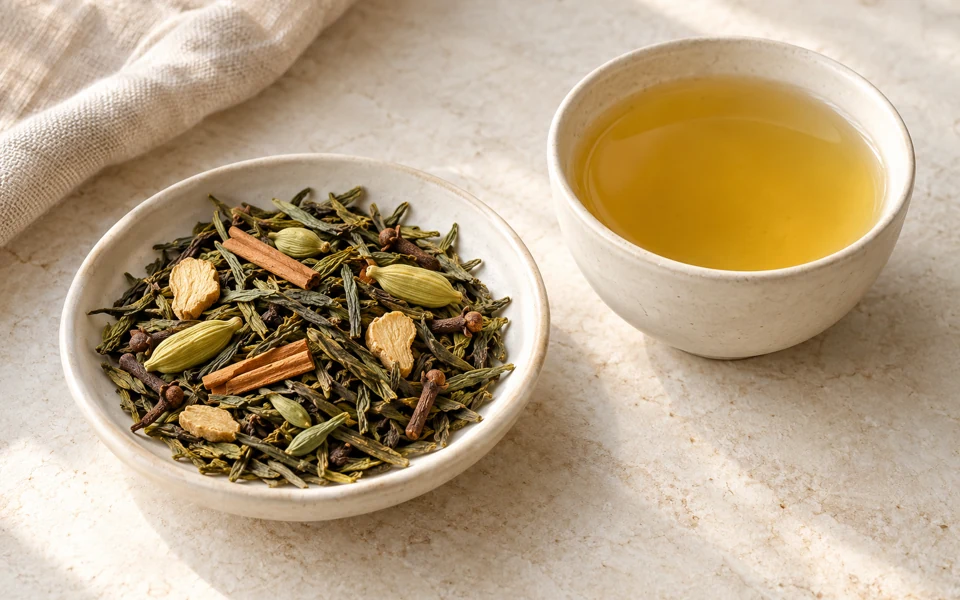
Green chai is a modern fusion blend that combines a green tea base — typically Chinese gunpowder or sencha — with traditional Indian chai spices such as cardamom, cinnamon, ginger, and cloves. Lighter and more vegetal than classic masala chai, green chai pairs the grassy, slightly sweet character of green tea with the warming, aromatic complexity of whole spices. This contemporary blend has gained popularity among tea drinkers who want chai's comforting spice profile without the heaviness of black tea and milk.
How to brew: 85°C, 4 min, 2.5 g per cup.
Caffeine
Medium
How to brew
Flavor notes
spiced, vegetal, sweet
Often associated with
Gentle energy, Comfort
Best time to enjoy
Mid-morning, Early afternoon
Tags
Where to find it in United States
 Where to find it in United States
Near Columbus
- North Market SpicesOther Chai
Columbus · North Market, downtown
Chai Powder
from US$ 9· 1.5 oz
In storeOnline59 Spruce Street, Columbus, OH 43215See the shop → - SW HerbThis tea
Mesa · Downtown Mesa, N Center Street
Green Chai Tea Organic
US$ 3.04· 1 oz (2 oz minimum)
In storeOnline148 N Center Street, Mesa, AZ 85201See the shop → - The Head NutOther Chai
Philadelphia · Reading Terminal Market
Natural Chai Tea
from US$ 2.50· 1 oz
In storeOnline51 N 12th St, Philadelphia, PA 19107See the shop → - Summit Spice & Tea CompanyOther Chai
Anchorage · Midtown (Denali Street)
Masala Chai (bulk, per oz)
from US$ 2.95· 1 oz
In storeOnline3030 Denali St #2, Anchorage, AK 99503See the shop → - HoneyBee Sage Wellness & ApothecaryOther Chai
Milwaukee · Bronzeville (MLK Drive); express counter in the Historic Third Ward
Rooibos Chai
US$ 3.46· 1 oz
In storeOnline1819 N Dr. Martin Luther King Jr. Drive, Milwaukee, WI 53212See the shop →
Origin & Production
Green chai is a blend category rather than a traditional preparation with a single origin. The green tea base typically comes from Chinese provinces like Zhejiang (gunpowder) or Anhui, though some blenders use Japanese sencha or bancha. The spice component draws directly from India's masala chai tradition but is adapted to complement green tea's lighter, more delicate flavor profile. Specialty tea companies in the West popularized this fusion in the early 2000s as part of the specialty tea boom.
Production process
Green tea base production
Green tea leaves are harvested and quickly heat-fixed (pan-fired for Chinese styles or steamed for Japanese) to halt oxidation, preserving catechins and a fresh, vegetal character.
Spice preparation
Whole spices — cardamom, cinnamon, ginger, and cloves — are lightly crushed and dried to a consistent size that matches the tea leaf, ensuring even extraction during steeping.
Blending & balancing
The green tea and spices are blended at carefully calibrated ratios — typically 60–70% tea to 30–40% spices — to ensure the spices enhance rather than overwhelm the tea's delicate vegetal notes.
Gentle infusion method
Unlike traditional masala chai, green chai is steeped rather than boiled: our catalog brews it at 85 °C for 4 minutes with 2.5 g per cup, hot enough for the spices to release their essential oils and short enough to keep the green tea from turning bitter.
- Free
- Sundays
- 2 min
Drink better tea, one Sunday at a time.
A fact for the table·A shop worth the trip·A better cup·Ritual & kit of the week·Tea fun facts
History & Tradition
Green chai is a relatively recent creation born from the intersection of India's ancient spice traditions and the worldwide popularity green tea gained from the 1990s on.
Ayurvedic spice heritage
The spices used in green chai — cardamom, ginger, cinnamon, cloves — have been central to Indian cooking and to the Ayurvedic tradition for millennia. We record that as history, not as a claim: this page does not attribute any effect on the body to them.
Green tea goes global
A wave of research interest in green tea and its catechins put the leaf in the news, and green tea sales surged outside Asia. What that research did and did not establish is not summarized here; the cards below cite only what regulators have published.
Specialty tea fusion movement
Western specialty tea companies like Teavana, David's Tea, and Yogi Tea began blending green tea with chai spices, marketing it as a lighter alternative to traditional masala chai.
Café menus and plant milks
Green chai became a staple on café menus and in specialty shops worldwide, often paired with plant-based milks. Its dual appeal — a light green tea base plus warming spices — made it a year-round favorite.
What's in the cup
The cup, as our catalog lists it
Four spices, one green base, and a caffeine level of 2 on our 0–3 scale: that is green chai as the catalog describes it. It brews at 85 °C for 4 minutes with 2.5 g per cup, tastes spiced, vegetal and sweet, and sits in the mid-morning and early-afternoon slots. Nothing on this page claims an effect on the body: what follows is composition, custom, and what two European regulators have published about caffeine, green tea catechins and ginger.
Caffeine, as Europe's food safety authority set the benchmarks
The European Food Safety Authority's 2015 opinion on caffeine states that single doses up to 200 mg and habitual intakes up to 400 mg per day do not raise safety concerns for healthy adults, that intakes from all sources up to 200 mg per day do not raise safety concerns for the fetus in pregnant women, and that it proposes 3 mg per kg of body weight per day as a safety level for habitual consumption by children and adolescents. Our catalog does not measure milligrams per cup: it rates green chai at level 2, the same step as its green tea base, because the spices add aroma and nothing to the caffeine count.
Source: EFSA — Scientific Opinion on the safety of caffeine (2015)
Green tea catechins, as a component the regulator assessed
Like every green tea, the base of this blend contains catechins, the polyphenols behind its astringency, with EGCG the most abundant. We list them as composition, not as a benefit. The one thing we repeat about them is a safety assessment: in April 2018 the European Food Safety Authority concluded that catechins from green tea infusions and similar drinks are generally safe, estimated the average daily EGCG intake from traditional green tea infusions at 90 to 300 mg, and flagged that catechin doses at or above 800 mg per day, the territory of concentrated food supplements rather than cups of tea, may pose health concerns. A green chai is an infusion, and a spiced one at that: the spices dilute the leaf, so the cup lands at the low end of what plain green tea gives.
Source: EFSA — Green tea catechins: safety assessment (2018)
Ginger, as the European Medicines Agency describes its uses
The European Union herbal monograph on ginger rhizome, revised by the EMA's Committee on Herbal Medicinal Products in May 2025, recognizes one well-established use, the prevention of nausea and vomiting in motion sickness with 1–2 g of powdered rhizome taken an hour before travel, and lists traditional uses, among them the symptomatic treatment of mild, spasmodic gastrointestinal complaints including bloating and flatulence, at 0.18–1 g of powder three times daily. Those figures describe powdered ginger and tinctures taken as medicines, not the pinch of dried ginger steeped in a cup of green chai, and the monograph does not cover spice blends at all, so we claim nothing for this cup. It also notes that use under 18 is not recommended for those indications, that it is preferable to avoid use during pregnancy as a precaution, that stomach upset, belching, heartburn and nausea are common undesirable effects, and that no interactions are known. This isn't medical advice — if you have a specific condition, check with a healthcare provider.
Source: EMA/HMPC — EU herbal monograph on Zingiber officinale, rhizoma, Rev. 1 (2025)
L-theanine and the spices, as components
The green tea base carries the amino acid L-theanine, part of the savory sweetness tasters describe in green tea, and the spices carry the aromatic compounds that name them: cineole in cardamom, cinnamaldehyde in cinnamon, eugenol in cloves. This page lists all of them as components of the cup and nothing more. The reason the blend is drunk mid-morning and early afternoon is the catalog's reason, caffeine at level 2 and a warming flavor, not an effect we promise.
This isn't medical advice. If you have a specific condition, or you are pregnant or taking medication, check with a healthcare provider.
- Free
- Sundays
- 2 min
Drink better tea, one Sunday at a time.
A fact for the table·A shop worth the trip·A better cup·Ritual & kit of the week·Brew better
Grades & Varieties
Gunpowder Green Chai
Chinese gunpowder green tea rolled into tight pellets, blended with cardamom, cinnamon, ginger, and cloves. The robust, slightly smoky character of gunpowder holds up well against the spices, producing a full-bodied, savory cup.
Best for
- ✓Bold green tea lovers
- ✓Spice-forward drinking
- ✓Early-afternoon cup
Sencha Green Chai
Japanese sencha base with a softer, more grassy profile, paired with lighter spicing — often just cardamom, ginger, and a hint of cinnamon. Produces a delicate, refreshing cup where the green tea character shines through.
Best for
- ✓Delicate palates
- ✓Light morning brew
- ✓Pairing with plant-based milk
Matcha Chai Latte Blend
Powdered matcha combined with finely ground chai spices, designed to be whisked with steamed milk for a creamy, vibrant green chai latte. The matcha provides a concentrated green flavor and a rich umami base.
Best for
- ✓Latte lovers
- ✓Strongest green tea flavor
- ✓Café-style preparation
Did you know?
Green chai uses green tea instead of black as the base, so you get the spices of masala chai with gentler caffeine and a fresher, vegetal note.
Foods with this tea
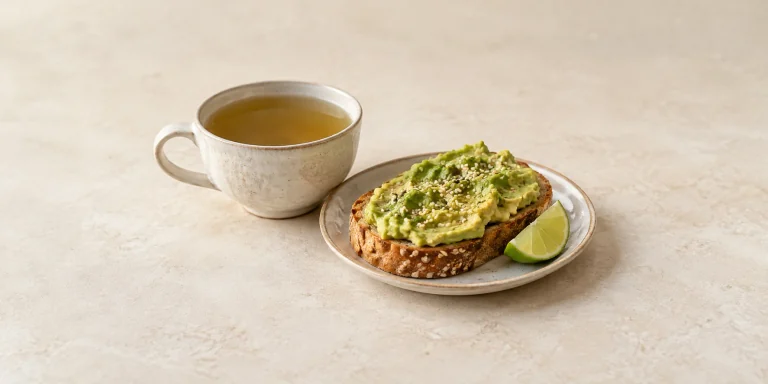
What to Eat with Green Chai Tea
Green chai's unique blend of vegetal freshness and warm spices pairs beautifully with light Asian fare, citrusy salads, and delicate pastries.
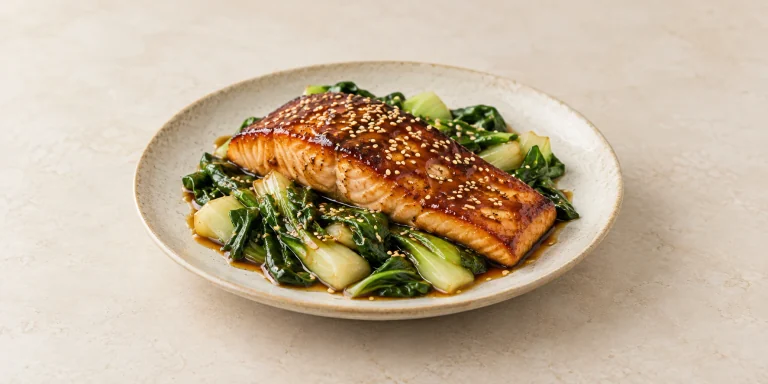
Green Chai–Glazed Salmon with Sesame Greens
Salmon fillets glazed with a green chai reduction, served over sautéed greens with toasted sesame—light, aromatic, and deeply satisfying.
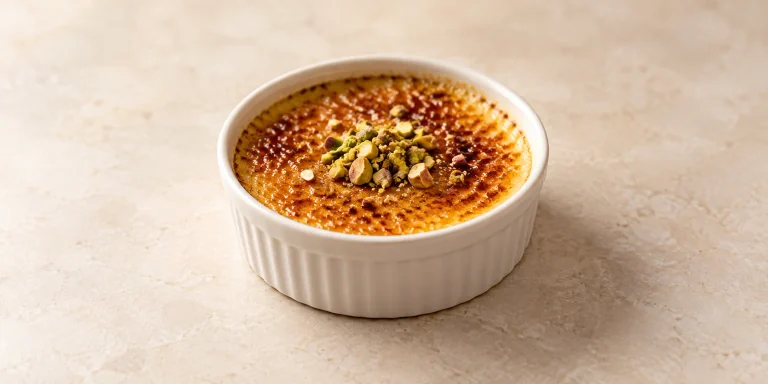
Green Chai Cardamom Crème Brûlée
A silky crème brûlée infused with green chai and extra cardamom—delicate, warmly spiced, and finished with a shattering caramel crust.
- Free
- Sundays
- 2 min
Drink better tea, one Sunday at a time.
A fact for the table·A shop worth the trip·A better cup·Ritual & kit of the week·Tea recipes & drinks
Drinks with this tea
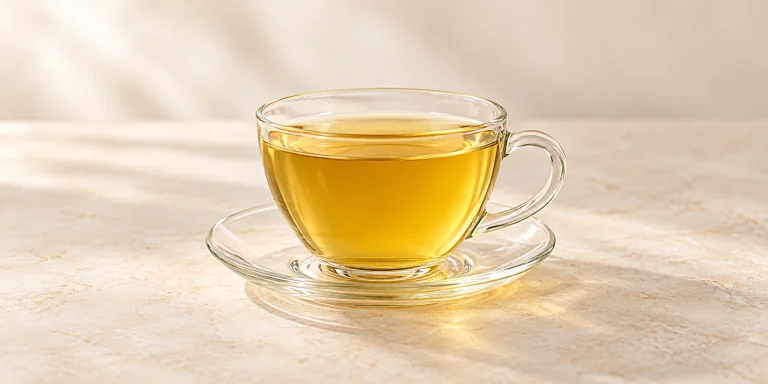
Green Chai with Fennel Seeds and Fresh Mint
Green chai steeped at 85 °C with lightly crushed fennel seeds and fresh mint, finished with honey and lemon: warm spice, anise sweetness and a cool green finish.

Iced Green Chai Latte with Oat Milk
A creamy, spiced iced latte made with cold-brewed green chai and frothy oat milk—refreshing, lightly sweet, and impossibly smooth.
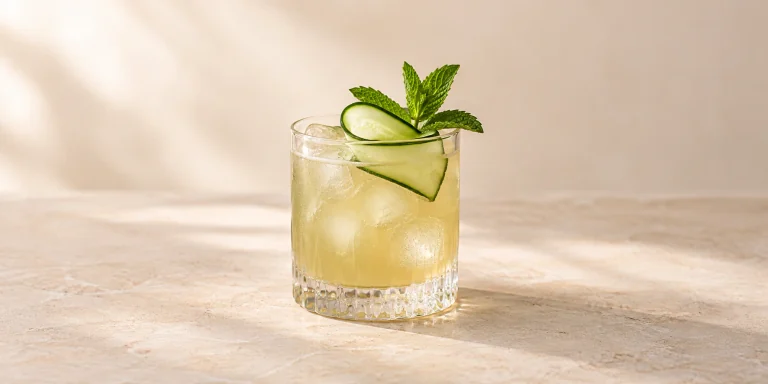
Green Chai Gin Smash
A bright, herbaceous cocktail where green chai–infused gin meets muddled cucumber, lime, and a cardamom honey syrup.