
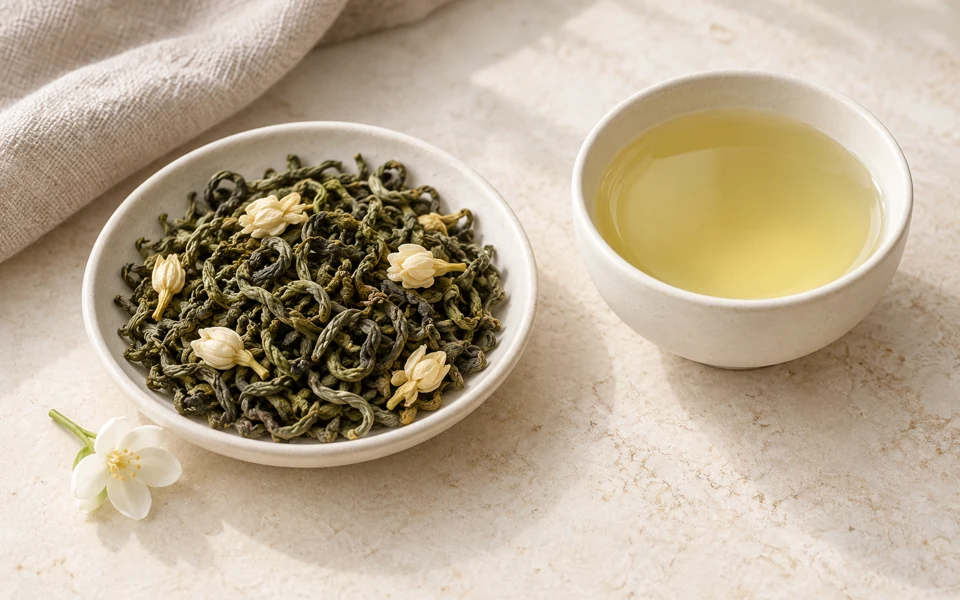
Jasmine
Green tea
4.7/5 · FindMeTea score
About this tea
Jasmine green tea is one of the most beloved scented teas in the world, crafted by layering fresh jasmine blossoms over green tea leaves during warm summer nights so the flowers' intoxicating fragrance is naturally absorbed into the tea. Originating in China's Fujian Province, this centuries-old scenting technique transforms a simple green tea into an aromatic masterpiece with floral sweetness, a smooth body, and a lingering perfumed finish. Jasmine tea remains China's most popular scented tea and one of its most significant tea exports.
How to brew: 80°C, 2 min, 2 g per cup.
Caffeine
Medium
How to brew
Flavor notes
floral, sweet, aromatic
Often associated with
Gentle relaxation, Fresh feeling
Best time to enjoy
Early afternoon, Mid-afternoon
Tags
Where to find it in United States
 Where to find it in United States
Near Columbus
- Posh Teatime Co.This tea
Columbus · Franklinton, West Broad Street
Jasmine Pearl Green Tea
from US$ 14.95· 4 oz
In storeOnline1273 W Broad Street, Columbus, OH 43222See the shop → - The Head NutThis tea
Philadelphia · Reading Terminal Market
Jasmine Superior Quality Yin Hao
from US$ 2.50· 1 oz
In storeOnline51 N 12th St, Philadelphia, PA 19107See the shop → - Seattle Best TeaThis tea
Seattle · Chinatown-International District (also University District)
Organic Jasmine Tea
from US$ 41· 1 lb
In storeOnline506 S King St, Seattle, WA 98104See the shop → - Tippecanoe Herbs and ApothecaryThis tea
Milwaukee · Bay View, S Kinnickinnic Ave
Tea - Jasmine Green
US$ 3.50· 1 oz
In storeOnline2235 S Kinnickinnic Ave, Milwaukee, WI 53207See the shop → - Emma's Tea SpotThis tea
Baltimore · Hamilton (Harford Road)
Rishi Jasmine (loose tea, by the ounce)
from US$ 3.95· 1 oz
In storeOnline4337 Harford Road, Baltimore, MD 21214See the shop →
Origin & Production
Jasmine green tea production is centered in China's Fujian Province, particularly around the city of Fuzhou, which has been the heartland of jasmine tea since the Song Dynasty. Guangxi Province (especially Hengxian county) is now the largest producer by volume, growing both the tea and jasmine flowers. Hunan and Sichuan also produce significant quantities, each with regional variations in base tea and scenting intensity.
Production process
Green tea base preparation
High-quality green tea leaves are harvested in spring and processed (withered, pan-fired, and rolled), then stored until summer when jasmine flowers bloom from June to September.
Jasmine harvest at dusk
Jasmine buds are picked in the afternoon when they are tightly closed. As night falls and temperature drops, the buds open and release their maximum fragrance — this is when scenting begins.
Scenting (layering)
Tea leaves and open jasmine blossoms are layered together overnight. The tea absorbs moisture and fragrance from the flowers. Premium grades repeat this process 6–7 times over several weeks with fresh flowers each time.
Spent flower removal & re-drying
After each scenting round, the spent flowers are separated from the tea and the leaves are gently re-dried to remove excess moisture. The final product may or may not contain visible flower petals depending on the style.
- Free
- Sundays
- 2 min
Drink better tea, one Sunday at a time.
A fact for the table·A shop worth the trip·A better cup·Ritual & kit of the week·Tea fun facts
History & Tradition
Jasmine tea has a rich history stretching back over a thousand years in China, where it evolved from a royal luxury into one of the country's most iconic and widely exported teas.
Song Dynasty origins
The practice of scenting tea with flowers begins during the Song Dynasty, when the art of adding fragrance to tea becomes popular among the Chinese elite in Fuzhou.
Ming Dynasty refinement
During the Ming Dynasty, the jasmine scenting technique is refined and standardized. Fuzhou becomes the undisputed center of jasmine tea production, with the multi-layering method perfected.
Western trade expansion
Jasmine tea becomes one of China's most important tea exports. Western traders, particularly British and American, develop a strong taste for its aromatic character, and it becomes a staple in Chinese restaurants abroad.
FAO Agricultural Heritage (GIAHS)
Fuzhou jasmine tea culture and its traditional scenting techniques are recognized as a Globally Important Agricultural Heritage System (GIAHS) by the UN FAO, protecting this centuries-old craft.
What's in the cup
Stress & anxiety relief
Jasmine's aroma contains linalool, a compound shown to have anxiolytic effects. Combined with L-theanine from the green tea base, jasmine tea promotes a calm, relaxed state.
Antioxidant protection
The green tea base retains its catechins (EGCG, EGC, ECG) through the scenting process, providing robust antioxidant protection against oxidative stress and cellular damage.
Heart-friendly
Studies suggest that regular consumption of green tea polyphenols helps reduce LDL cholesterol and improve arterial function. The catechins in jasmine green tea offer the same cardiovascular benefits.
Gentle energy lift
Contains approximately 25–35 mg of caffeine per cup — enough for a mild energy boost — paired with L-theanine for smooth, jitter-free alertness throughout the morning.
Digestive comfort
Jasmine tea has been traditionally used in Chinese medicine to aid digestion. The catechins help support healthy gut bacteria, while the warm infusion can soothe the digestive tract after meals.
- Free
- Sundays
- 2 min
Drink better tea, one Sunday at a time.
A fact for the table·A shop worth the trip·A better cup·Ritual & kit of the week·Brew better
Grades & Varieties
Jasmine Silver Needle (Yin Zhen)
The highest grade — made from tender white tea buds rather than green tea leaves, scented 7+ times. Produces a delicate, sweet, and highly aromatic cup with a pale golden liquor and subtle floral complexity.
Best for
- ✓Special occasions
- ✓Gongfu brewing
- ✓Floral tea connoisseurs
Jasmine Dragon Pearl (Long Zhu)
Hand-rolled into tight pearls that unfurl elegantly when brewed. Made from young leaves scented 4–6 times. The pearls allow for multiple infusions, each revealing new layers of jasmine fragrance.
Best for
- ✓Gifting
- ✓Multiple infusions
- ✓Visual tea experience
Standard jasmine green (Mo Li Hua Cha)
The everyday classic — loose-leaf green tea scented 2–3 times. Produces a reliably fragrant, smooth cup with a good balance of green tea character and jasmine aroma. Widely available and excellent value.
Best for
- ✓Daily drinking
- ✓Iced tea
- ✓Pairing with meals
Did you know?
Jasmine flowers are picked closed and mixed with tea at night when they open and release fragrance; top-grade jasmine tea may be scenting 6–7 times.
Foods with this tea
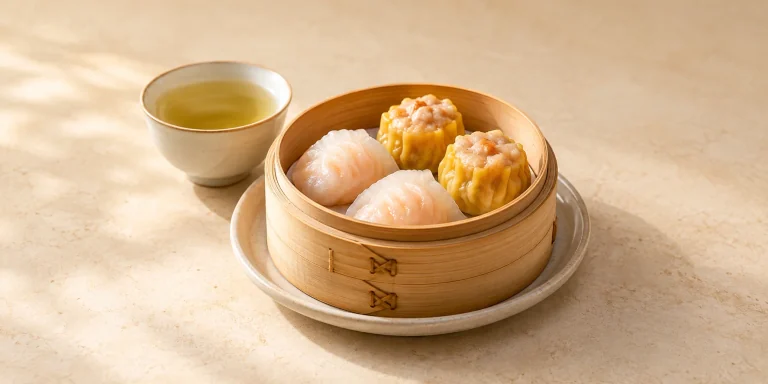
What to Eat with Jasmine Green Tea
Jasmine green tea's intoxicating floral aroma and clean finish pair beautifully with delicate dim sum, light seafood, and fruit-based desserts.
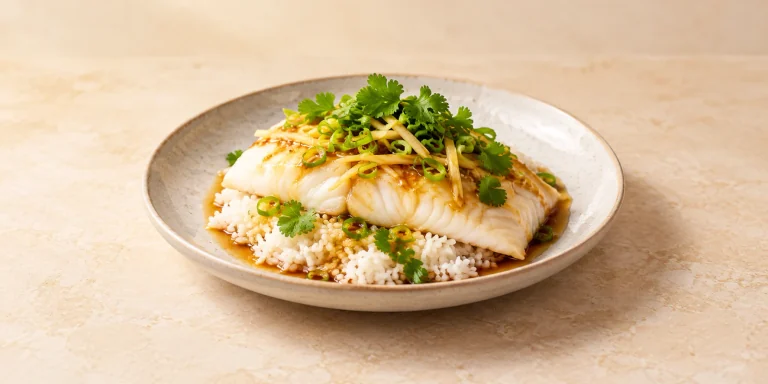
Jasmine Tea-Steamed Fish with Ginger and Scallions
Delicate white fish steamed over jasmine tea-infused water with ginger, scallions, and a light soy dressing—clean, fragrant, and impossibly elegant.
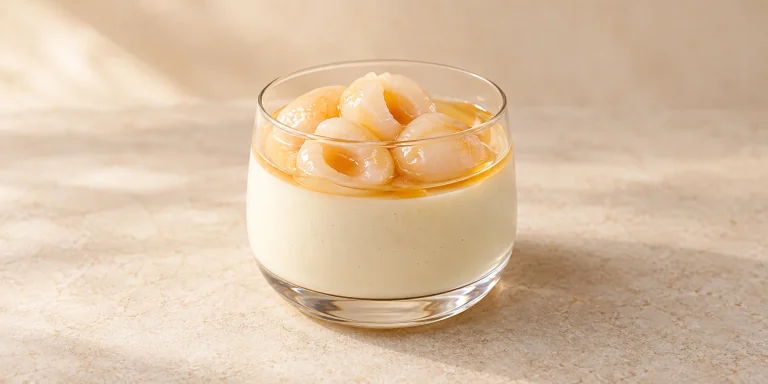
Jasmine Tea Panna Cotta with Lychee
A silky panna cotta infused with jasmine green tea, topped with fresh lychee and a jasmine-honey syrup—floral, creamy, and utterly delicate.
- Free
- Sundays
- 2 min
Drink better tea, one Sunday at a time.
A fact for the table·A shop worth the trip·A better cup·Ritual & kit of the week·Tea recipes & drinks
Drinks with this tea
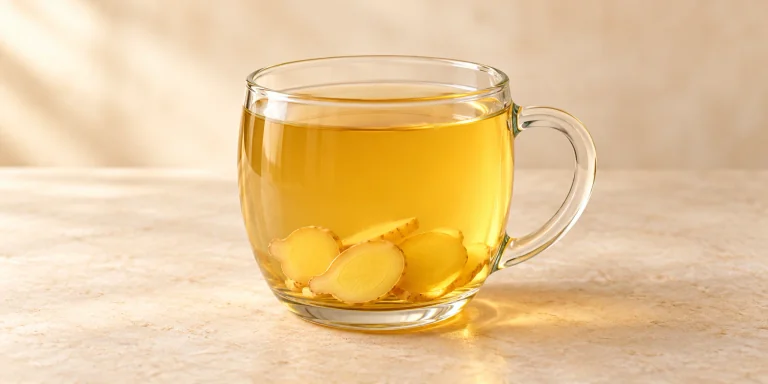
Jasmine Green Tea with Ginger, Honey and Lime
Jasmine green tea steeped at 80°C with thin slices of fresh ginger, raw honey and a squeeze of lime—floral, spicy and just sweet enough.
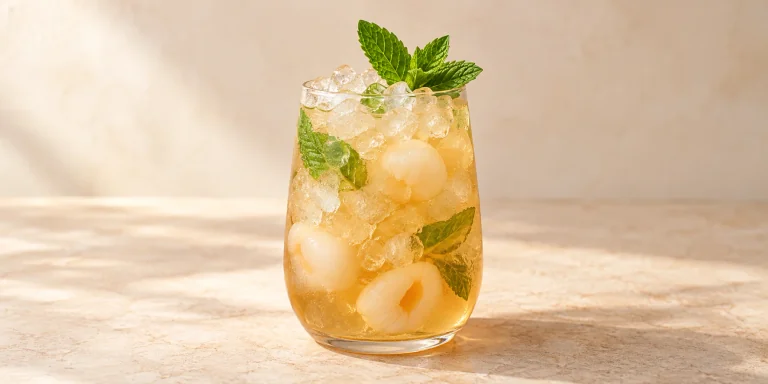
Jasmine Lychee Iced Tea
Cold-brewed jasmine green tea with fresh lychee, a splash of coconut water, and mint—a tropical, floral cooler that tastes like summer in a glass.
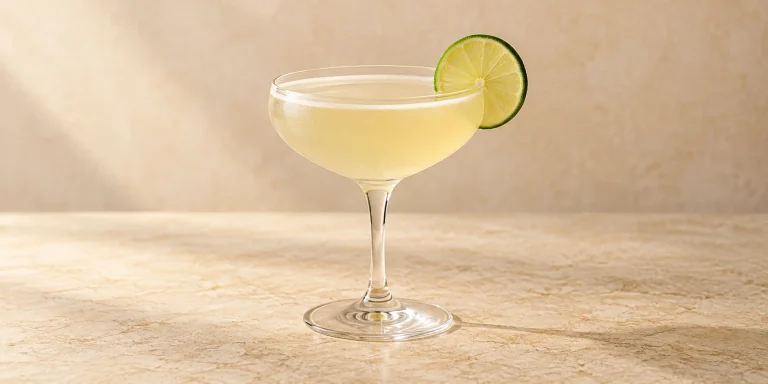
Jasmine Tea Gimlet
A floral twist on the classic gimlet—jasmine-infused gin, fresh lime, and a touch of elderflower create a cocktail that's fragrant, crisp, and dangerously easy to drink.