
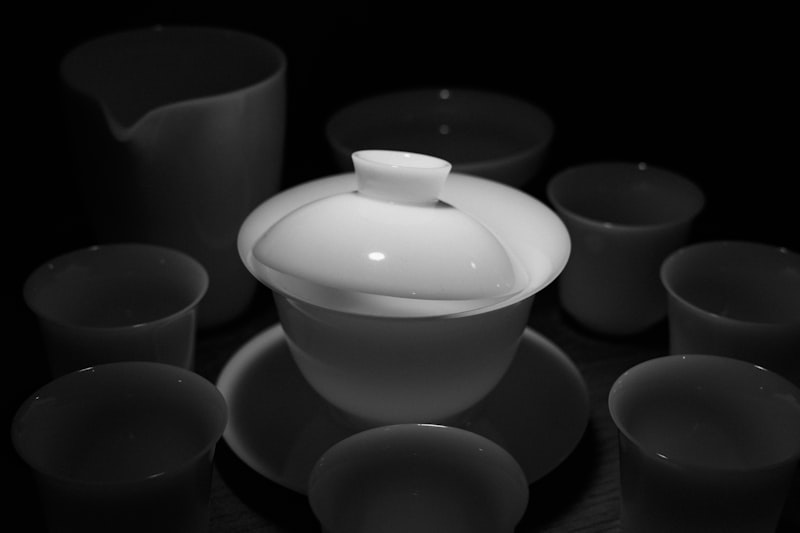
Moonlight White
White tea
4.6/5 · FindMeTea score
About this tea
Moonlight White (Yue Guang Bai, also called Moonlight Beauty) is a gentle, honeyed white tea from the Pu'er region of Yunnan, China, prized for its distinctive two-toned leaves — one side dark, one side silvery pale. Made from the large-leaf assamica varietal that also gives us Pu'er, it is withered slowly indoors and, by folklore, under the soft light of the moon. The cup is mellow and sweet, with notes of wildflower honey, ripe plum, and dried apricot wrapped in a soft, lingering finish. With low to moderate caffeine and a soothing character, it is a tea made for slowing down. Few white teas feel as quietly comforting in the evening.
How to brew: 85°C, 4 min, 4 g per cup.
Caffeine
Low
How to brew
Flavor notes
honeyed, fruity, floral, smooth
Often associated with
Relaxation, Calm
Best time to enjoy
Afternoon, Mid-afternoon, Evening
Tags
Where to find it in United States
 Where to find it in United States
- This tea
Yunnan Sourcing USA
Yunnan Yue Guang Bai Air-Dried White Tea (Spring 2026)
US$ 13.50· 100 g
OnlineGo to shop → - Other White tea
Harney & Sons
New York · SoHo (ships nationwide)
Chinese Silver Needle (loose, 2 oz tin)
from US$ 36· 2 oz
In storeOnline433 Broome StreetGo to shop → - Other White tea
McNulty's Tea & Coffee
New York · Greenwich Village
White Peony: Bai Mu Dan (4 oz bag)
from US$ 12· 4 oz
In storeOnline109 Christopher StreetGo to shop → - Other White tea
Upton Tea Imports
Special Grade Shou Mei White Tea (30 g packet)
US$ 8· 30 g
OnlineGo to shop → - Other White tea
Chicago Teahouse
Chicago · Gold Coast
Nepal White Tea, Prakash
from US$ 23.95· 50 g
In storeOnline1160 N. State Street, Chicago, IL 60610Go to shop →
Prices checked by us on Sep 6, 2026; they may change.
No shop pays to appear here — we list what we verified ourselves.
Know a shop that sells it? Tell usOrigin & Production
Moonlight White comes from the high mountains of southern Yunnan, principally the Pu'er and Lincang prefectures, where the warm, misty climate is ideal for large-leaf tea trees. Unlike most Chinese white teas, which come from the small-leaf sinensis bushes of Fujian, this tea is made from the broad-leaf assamica varietal — the same plant tradition behind Yunnan's famous Pu'er. The leaves are picked from gardens at moderate to high elevation, often where old-growth and semi-wild trees still grow. The combination of varietal, terroir, and a slow indoor withering gives the tea its signature honeyed sweetness and dark-and-light leaf appearance. It is a relatively young style by Chinese standards, but one that has quickly found admirers worldwide.
Production process
Plucking
A bud and one or two young leaves are hand-picked from large-leaf assamica tea trees in Yunnan, traditionally in spring when the tender shoots carry the most natural sweetness.
Indoor withering
Rather than the sun-withering used for Fujian whites, the leaves are spread on bamboo trays and withered slowly indoors in cool, shaded rooms — a method folklore poetically links to drying under the moon.
Two-toned development
During the long, gentle wither, the upper side of each leaf darkens while the downy underside stays silvery, creating the tea's signature dark-and-light, moonlit appearance.
Slow drying
Once withered, the leaves are dried at low temperature to lock in their honeyed aroma and soft fruit notes while preserving the delicate, minimally processed character of a true white tea.
Sorting & resting
The finished leaves are sorted by hand and often rested for a time, allowing the flavors to settle and deepen. Some Moonlight White is also pressed into cakes that mellow further with age.
History & Tradition
Although Yunnan has cultivated tea for well over a thousand years, Moonlight White as a named style is a comparatively modern creation, emerging from the Pu'er region's experimentation with white-tea processing of its large-leaf trees.
Yunnan's tea roots
Yunnan is widely regarded as one of the original homelands of the tea plant, with old-growth assamica trees growing in its forests for many centuries before any modern style existed.
Tea travels the trade roads
Yunnan's leaf became a prized trade good carried along the Ancient Tea Horse Road, establishing the region's reputation for distinctive large-leaf teas long before the white style appeared.
Pu'er's golden age
Pu'er tea reached imperial favor during the Qing era, cementing Yunnan's mastery of processing and aging its large-leaf assamica — knowledge that would later inform white-tea styles like Moonlight.
A new white style emerges
Producers in the Pu'er region began applying white-tea withering techniques to their assamica leaves, giving rise to the named style Yue Guang Bai — Moonlight White — with its honeyed flavor and two-toned leaves.
Global discovery
As specialty tea culture spread online, Moonlight White found an enthusiastic international audience drawn to its gentle sweetness and evocative name, becoming a favorite evening white tea.
Health Benefits
Low to moderate caffeine
As a minimally processed white tea sipped lightly, Moonlight White carries a low to moderate amount of caffeine, making it a calm choice for the afternoon or evening when you want flavor without a strong lift.
Soothing wind-down ritual
Its mellow, honeyed character and warm cup make Moonlight White a comforting part of an evening wind-down routine, helping you ease out of a busy day and settle into rest.
Comforting after meals
A warm, sweet cup is traditionally enjoyed after a meal, offering a gentle, settling moment of comfort that pairs naturally with the relaxed pace of an unhurried evening.
Naturally rich in plant compounds
Like other minimally processed white teas, Moonlight White naturally contains polyphenols and antioxidants from the leaf, contributing to its appeal as part of a balanced, mindful lifestyle.
A moment of calm
The slow, fragrant ritual of brewing and sipping Moonlight White invites a pause in the day — a simple, sensory practice that many find quietly grounding and restful.
Grades & Varieties
Spring bud Moonlight White
The most refined grade, made from early spring buds with a generous downy tip. It brews a pale, glowing cup that is exceptionally sweet and delicate, with pronounced honey and stone-fruit notes.
Best for
- ✓Slow evening sipping
- ✓Special, mindful tea moments
- ✓Appreciating subtle sweetness
Loose-leaf Moonlight White
The everyday format, with a mix of buds and broad two-toned leaves. It gives a fuller, rounder cup with plum and dried-fruit depth alongside the honeyed sweetness — generous and forgiving to brew.
Best for
- ✓Daily relaxing cups
- ✓Multiple gentle infusions
- ✓After-meal comfort
Aged pressed cake
Moonlight White pressed into cakes and rested over time. With age it develops deeper, warmer notes of dried fruit, dates, and gentle spice while keeping its soft, honeyed core.
Best for
- ✓Collectors and tea agers
- ✓Warmer, deeper flavor
- ✓Cozy cold-weather evenings
Did you know?
Moonlight White gets its name from its two-toned leaves — one side dark, one side silvery pale — and the folklore that it is withered at night, as if dried under the light of the moon.
Foods with this tea

What to Eat with Moonlight White Tea
Moonlight White's honeyed, plum-sweet gentleness pairs beautifully with light, delicate foods—fresh fruit, soft cheeses, and lightly sweet pastries that let its mellow character shine.
Moonlight White Tea-Poached Pears with Goat Cheese Toasts
Pears gently poached in honeyed Moonlight White tea, served warm over crisp toasts with creamy goat cheese—a light savory-sweet plate that mirrors the tea's plum-and-honey character.
Moonlight White Honey Panna Cotta with Plum Compote
A silky honey panna cotta infused with Moonlight White tea, crowned with a soft plum compote—the tea's honeyed, stone-fruit notes turned into a gentle, elegant dessert.
Drinks with this tea

Moonlight White Honey-Plum Wind-Down Infusion
A warm, soothing evening infusion of Moonlight White with honey, plum, and a whisper of lavender—a gentle, low-caffeine cup made for slowing down before sleep.
Cold-Brew Moonlight White with Peach and Honey
Smooth cold-brewed Moonlight White infused with fresh peach and a touch of honey—a delicate, naturally sweet iced tea that tastes like a glass of liquid sunshine.
Moonlight White Plum & Honey Bedtime Mocktail
A soft, honeyed nightcap built on Moonlight White, plum, and chamomile—an alcohol-free bedtime mocktail (with an optional sparkling twist) made for winding down before sleep.