
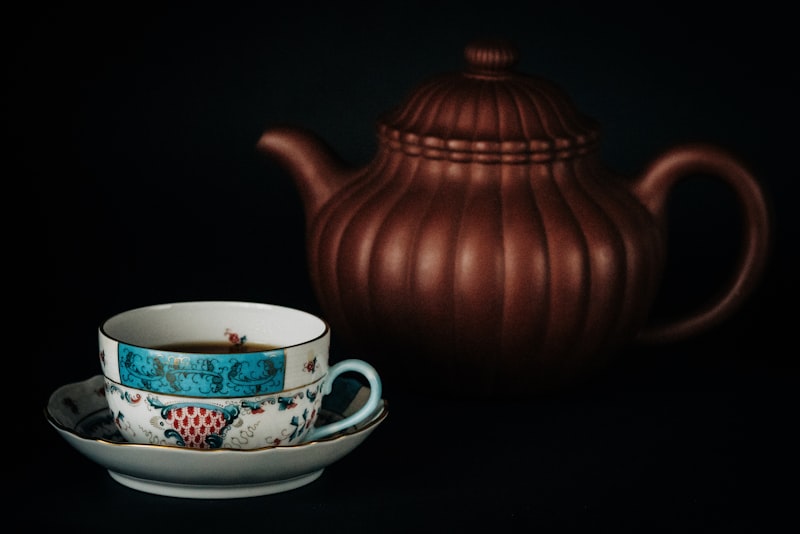
Wuyi Rou Gui
Oolong tea
4.6/5 · FindMeTea score
About this tea
Wuyi Rou Gui (武夷肉桂) is a celebrated Wuyi rock oolong (yancha) grown on the mineral-rich cliffs of the Wuyi Mountains in northern Fujian, China. Its name literally means 'cassia bark,' a nod to the unmistakable cinnamon-like spice that rises through its dark, charcoal-roasted leaves. A skilled roast develops layers of toasted grain, dried fruit, and warming spice, all framed by the famous 'yan yun' (岩韵) or 'rock rhyme' — a deep, lingering mineral sensation prized by tea drinkers. Medium in caffeine and remarkably full-bodied, Rou Gui is a tea built for slow, attentive sipping. It rewards multiple short infusions, each one revealing a slightly different facet of spice, roast, and stone.
How to brew: 95°C, 3 min, 3 g per cup.
Caffeine
Medium
How to brew
Flavor notes
toasted, spiced, mineral, woody
Often associated with
Focus, Sustained energy
Best time to enjoy
Morning, Mid-morning, After a meal
Tags
Where to find it in United States
 Where to find it in United States
- Other Oolong tea
Harney & Sons
New York · SoHo (ships nationwide)
Milky Oolong (loose, 3 oz tin)
from US$ 14· 3 oz
In storeOnline433 Broome StreetGo to shop → - Other Oolong tea
McNulty's Tea & Coffee
New York · Greenwich Village
Tung Ting Extra Fancy Formosa Oolong
from US$ 27.50· 4 oz
In storeOnline109 Christopher StreetGo to shop → - Other Oolong tea
Chado Tea Room
Los Angeles · Downtown (Little Tokyo) and Hollywood; also Pasadena, Torrance
Champagne Tieguanyin
US$ 37.50· 4 oz
In storeOnline369 East 1st StreetGo to shop → - Other Oolong tea
Tea and Whisk
Las Vegas · Chinatown (Spring Mountain Rd)
Dark Roast Iron Goddess Oolong
from US$ 13.50· 2 oz
In storeOnline6288 Spring Mountain Rd, Ste 110Go to shop → - Other Oolong tea
Rishi Tea
Iron Goddess of Mercy oolong (loose leaf)
US$ 23.50· 100 g
OnlineGo to shop →
Prices checked by us on Sep 5, 2026; they may change.
No shop pays to appear here — we list what we verified ourselves.
Know a shop that sells it? Tell usOrigin & Production
Rou Gui is grown within the Wuyi Mountains, a dramatic landscape of red sandstone cliffs, narrow gorges, and winding streams in northern Fujian. The most prized leaves come from the protected 'zhengyan' (true cliff) core zone, where tea bushes root into weathered mineral soil between towering rock walls. This unusual terroir — mist, filtered light, and rocky, mineral-laden ground — is traditionally credited with the tea's signature 'rock rhyme.' Cultivation here is small-scale and labor-intensive, with many gardens tucked into ravines reachable only on foot. The combination of cultivar, place, and charcoal roasting makes Wuyi yancha one of the most distinctive oolong families in the world.
Production process
Plucking
Leaves are hand-picked in late spring, traditionally taking a more mature 'open face' set of three to four leaves rather than tender buds, which gives the tea its body and roast-readiness.
Withering
Fresh leaves are withered in sunlight and then indoors, softening the leaf and beginning to coax out aromatic compounds before oxidation.
Bruising & oxidation
Leaves are gently shaken and tossed to bruise their edges, encouraging partial oxidation — the hallmark of oolong, sitting between green and black tea.
Fixing & rolling
Heat halts oxidation at the desired point, then the leaves are rolled into their characteristic twisted, strip-like shape.
Charcoal roasting
The defining step: leaves are slow-roasted over charcoal in repeated sessions, often resting between roasts. This builds the toasted, caramelized depth and tames sharpness into warm spice.
Resting
After roasting the tea rests for weeks or months so the fire settles and the spice, fruit, and mineral notes integrate into a harmonious whole.
History & Tradition
Wuyi tea has been documented for over a thousand years and stands at the heart of Chinese oolong tradition. Rou Gui itself rose to fame more recently, becoming one of the two most prized Wuyi cultivars alongside the famous Shui Xian.
Wuyi tea fame begins
Tea from the Wuyi Mountains was already noted by scholars and poets, establishing the region's reputation centuries before oolong as we know it existed.
Toward rock tea
As production methods shifted away from compressed cakes toward loose-leaf processing, the foundations of Wuyi rock tea and partial oxidation began to take shape.
Yancha craft matures
The refined craft of Wuyi yancha — partial oxidation followed by careful charcoal roasting — became well established, and named cliff teas grew highly sought after.
Rou Gui documented
The Rou Gui cultivar was studied and recorded by tea researchers in the Wuyi area, who noted its distinctive cassia-like aroma as a standout trait worth propagating.
Rise to stardom
Rou Gui gained wide acclaim in tea competitions and markets, climbing to become one of the signature Wuyi oolongs prized for its bold, spicy character.
Global appreciation
With growing international interest in gongfu-style brewing, Rou Gui became a favorite among oolong enthusiasts worldwide, celebrated for its roast, spice, and rock rhyme.
Health Benefits
Focused alertness
With a moderate caffeine level alongside naturally occurring L-theanine common to tea, Rou Gui is traditionally enjoyed for calm, steady focus rather than a jittery rush.
After-meal comfort
Roasted oolongs are a classic post-meal choice in Chinese tea culture, valued for the warm, settling sensation they bring after richer or oilier dishes.
Naturally rich in antioxidants
Like other partially oxidized teas, Rou Gui contains polyphenols and other plant compounds traditionally associated with everyday wellness and balance.
Mindful ritual
Brewed gongfu-style in small pots, Rou Gui invites a slow, attentive ritual of repeated infusions — a gentle pause that many find grounding and calming.
Gentle, sustained energy
Its medium caffeine and full body make Rou Gui a warming companion for a productive morning or an afternoon lift without the sharpness of coffee.
Grades & Varieties
Zhengyan (true cliff)
The most prized grade, grown in the protected cliff core of the Wuyi scenic area. These leaves are celebrated for the deepest, most lingering 'rock rhyme' and a layered balance of spice, roast, and mineral.
Best for
- ✓Gongfu tasting sessions
- ✓Special occasions
- ✓Experienced oolong drinkers
Banyan (half cliff)
Grown in the outer hills and valleys of the Wuyi area, banyan Rou Gui offers much of the classic cassia spice and roast at a more approachable level — an excellent everyday rock oolong.
Best for
- ✓Daily gongfu brewing
- ✓Getting to know yancha
- ✓Pairing with food
High-roast Rou Gui
Roasted more heavily over charcoal, this style leans into toasted, caramelized, almost cocoa-like depth with the cassia spice woven through. Bold and warming, it stands up beautifully to long resting.
Best for
- ✓Cozy autumn and winter sipping
- ✓Lovers of deep roast
- ✓After-meal tea
Did you know?
Rou Gui literally means 'cassia bark' in Chinese — the tea is named for its natural cinnamon-like spice, with no spices added.
Foods with this tea
What to Eat with Wuyi Rou Gui
Rou Gui's roasted, cinnamon-spiced, mineral character pairs beautifully with savory roasted dishes, dim sum, dark chocolate, and warm baked goods.
Rou Gui Tea-Smoked Roasted Chicken
Roast chicken brushed with a Rou Gui tea glaze and finished with a quick stovetop tea smoke, layering the oolong's cassia spice and roast into savory, golden skin.
Rou Gui Cinnamon Tea Cake
A moist cinnamon tea cake infused with brewed Rou Gui and finely ground oolong leaves, where the tea's natural cassia spice and roast amplify the cinnamon crumb.
Drinks with this tea

Warm Rou Gui Spiced Comfort Brew
A cozy after-meal brew that leans into Rou Gui's natural cassia spice with a touch of fresh ginger and orange peel — warming, grounding, and gently focusing.
Cold-Brew Rou Gui with Honey and Orange
Cold-brewed Rou Gui turns smooth and softly sweet, with the cassia spice and roast mellowing into a refreshing iced oolong brightened by orange and honey.
Rou Gui Roasted Old Fashioned
A warming, spice-forward Old Fashioned built on Rou Gui–infused whiskey, where the oolong's cassia and roast meet caramel sweetness and bitters — with a zero-proof version too.