
Alishan
Oolong tea
4.7/5 · FindMeTea score
About this tea
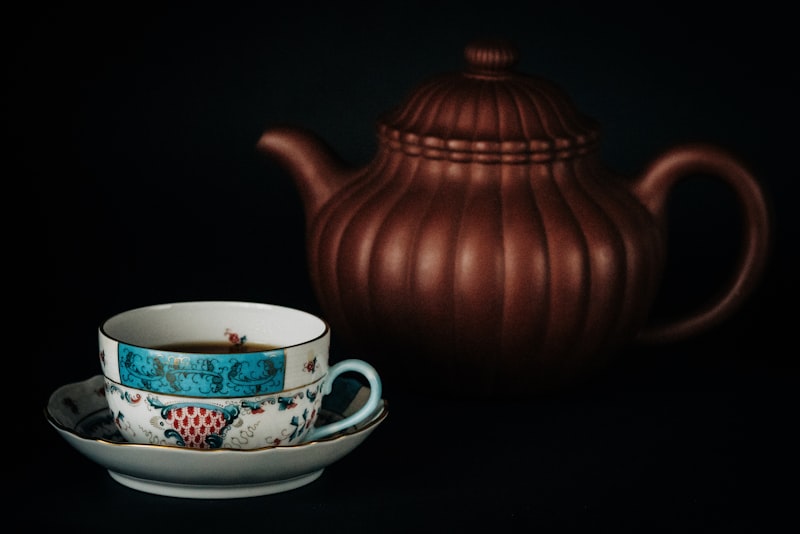
Alishan is one of Taiwan's most celebrated high-mountain oolongs (gaoshan cha), grown in the misty peaks of the Alishan range in Chiayi County. Cultivated at high elevation where cool temperatures and frequent cloud cover slow the plant's growth, the leaves develop an exceptional thickness and sweetness that translate into a famously creamy, buttery, and floral cup. Lightly oxidized and tightly rolled into jade-green pellets, Alishan brews a pale golden liquor with a lingering, milky-floral aroma and almost no bitterness. Refined, fragrant, and prized by connoisseurs around the world, Alishan is a flagship of Taiwan's high-mountain tea craft and one of the most graceful oolongs you can drink.
How to brew: 90°C, 3 min, 3 g per cup.
Caffeine
Medium
How to brew
Flavor notes
creamy, floral, smooth, lightly sweet
Often associated with
Gentle focus, Calm alertness
Best time to enjoy
Mid-morning, Early afternoon, Mid-afternoon
Tags
Where to find it in United States
 Where to find it in United States
- This tea
Harney & Sons
New York · SoHo (ships nationwide)
Ali San Oolong (loose, 2 oz tin)
from US$ 38· 2 oz
In storeOnline433 Broome StreetGo to shop → - This tea
99 Ranch Market
San Jose · Hostetter Road, North San Jose
Tradition Premium A-Li-San Oolong (tin)
US$ 8.99· 3.5 oz
In storeOnline1688 Hostetter Road, San Jose, CA 95131Go to shop → - Other Oolong tea
McNulty's Tea & Coffee
New York · Greenwich Village
Tung Ting Extra Fancy Formosa Oolong
from US$ 27.50· 4 oz
In storeOnline109 Christopher StreetGo to shop → - Other Oolong tea
Chado Tea Room
Los Angeles · Downtown (Little Tokyo) and Hollywood; also Pasadena, Torrance
Champagne Tieguanyin
US$ 37.50· 4 oz
In storeOnline369 East 1st StreetGo to shop → - Other Oolong tea
Tea and Whisk
Las Vegas · Chinatown (Spring Mountain Rd)
Dark Roast Iron Goddess Oolong
from US$ 13.50· 2 oz
In storeOnline6288 Spring Mountain Rd, Ste 110Go to shop →
Prices checked by us on Sep 5, 2026; they may change.
No shop pays to appear here — we list what we verified ourselves.
Know a shop that sells it? Tell usOrigin & Production
Alishan tea is grown in the high mountains of Chiayi County in central Taiwan, on gardens typically planted between around 1,000 and 1,600 meters of elevation. At these heights the air is cool, the mornings are wrapped in mist, and sunlight is gentle and often filtered through cloud — conditions that slow the tea bushes' growth and concentrate sweetness and aroma in the leaves. The Qingxin (green-heart) cultivar is the classic choice for its delicate floral character. The combination of altitude, mist, and careful craft gives Alishan its signature creamy texture and high fragrance, qualities that command its premium reputation.
Production process
High-mountain plucking
The top buds and two leaves are hand-plucked from gardens high in the Alishan range, where slow growth at altitude produces especially thick, sweet leaves.
Withering & light oxidation
The leaves are withered indoors and out and lightly oxidized, just enough to develop floral and creamy aromas while keeping the cup bright and green.
Fixing the leaf
Heat is applied to halt oxidation at the desired light level, locking in the fresh, floral, buttery character that defines high-mountain oolong.
Rolling into pellets
The leaves are repeatedly rolled and shaped into tight jade-green pellets, a process that concentrates aroma and allows the tea to unfurl slowly over several infusions.
Drying & finishing
A gentle final drying stabilizes the tea and preserves its fragrance, yielding the pale, creamy, floral cup Alishan is loved for.
History & Tradition
Alishan tea is a relatively modern chapter in Taiwan's long oolong tradition, born when growers pushed cultivation higher into the mountains in search of ever finer, more fragrant teas.
Oolong takes root in Taiwan
Tea cultivation, brought largely by settlers from Fujian, became established across Taiwan, laying the foundation for the island's celebrated oolong tradition.
The rise of high-mountain tea
Through the twentieth century, Taiwanese growers increasingly recognized that higher elevations produced sweeter, more aromatic oolongs, giving rise to the prized gaoshan cha (high-mountain tea) category.
Alishan emerges
Tea gardens expanded into the high slopes of the Alishan range in Chiayi, and the region quickly earned a reputation for some of Taiwan's finest, most fragrant high-mountain oolong.
A premium name
Alishan became one of Taiwan's most recognized tea names, celebrated at competitions and sought after by collectors both at home and in export markets.
An icon of Taiwanese tea
Alishan remains a benchmark for high-mountain oolong worldwide, admired for its creamy texture and floral fragrance and treasured as a showcase of Taiwan's tea craftsmanship.
Health Benefits
Calm, clear focus
Alishan's moderate caffeine pairs with the amino acid L-theanine to support a smooth, clear-headed alertness — energizing and focusing without the edge of a strong black tea or coffee.
Soothing and gentle
Its creamy, floral, low-tannin cup is exceptionally smooth and easy to drink, making Alishan a calming, gentle tea well suited to relaxed, unwinding moments later in the day.
Antioxidant polyphenols
Like all lightly oxidized oolongs, Alishan is rich in catechins and other polyphenols, plant compounds traditionally associated with antioxidant activity that helps protect cells from everyday oxidative stress.
Gentle after meals
Lightly oxidized oolongs have long been enjoyed after meals across East Asia, and Alishan's smooth, mellow cup makes it a soothing, comforting companion to digestion.
A mindful ritual
Brewing Alishan gongfu-style across many short infusions invites a slow, attentive ritual — a quiet pause that carries its own sense of calm and wellbeing beyond the cup itself.
Grades & Varieties
Competition grade
The finest, highest-elevation Alishan with a pronounced creamy texture, intense floral fragrance, and a long, sweet aftertaste. Tightly rolled jade pellets that unfurl over many infusions — the very best of high-mountain craft.
Best for
- ✓Special occasions
- ✓Gongfu brewing
- ✓Savoring on its own
Premium high-mountain
Excellent everyday Alishan with clear creamy and floral notes and a smooth, sweet body. A touch less rarefied than competition grade but beautifully fragrant — the connoisseur's regular pour.
Best for
- ✓Afternoon tea
- ✓Multiple infusions
- ✓Pairing with light food
Roasted Alishan
A lightly roasted version that trades some floral freshness for warm, toasty, nutty notes and a deeper amber cup. Cozy and comforting while keeping Alishan's signature smoothness.
Best for
- ✓Cooler weather
- ✓Evening cups
- ✓Drinkers who like warmer notes
Did you know?
Alishan's creamy, floral character comes from slow growth at altitude: frequent mist and cool temperatures around 1,000–1,600 meters concentrate sweetness and aroma in the leaves.
Foods with this tea
What to Eat with Alishan Oolong
Alishan's creamy, floral, buttery cup loves delicate flavors—steamed dumplings, fresh seafood, soft cheeses, and light, lightly sweet pastries.
Alishan Oolong Steamed Sea Bass
Whole sea bass steamed over fragrant Alishan oolong with ginger and spring onion—the tea's creamy floral aroma perfumes the delicate fish.
Alishan Oolong Milk Pudding
A silky, lightly set milk pudding infused with creamy Alishan oolong—the tea's natural buttery, floral notes make a delicate, barely-sweet dessert.
Drinks with this tea

Alishan Gongfu Calm Ritual
A slow, multi-infusion gongfu ritual with creamy Alishan oolong—an unhurried, fragrant practice for calm focus and quiet wellbeing.
Cold-Brew Alishan with Osmanthus and Honey
Smooth cold-brewed Alishan oolong scented with osmanthus blossoms and a touch of honey—a delicately floral, creamy iced tea for warm afternoons.
Alishan Bedtime Milk Mocktail
A soothing, alcohol-free bedtime mocktail of lightly brewed Alishan, warm milk, honey, and vanilla—a creamy, calming nightcap for winding down.