
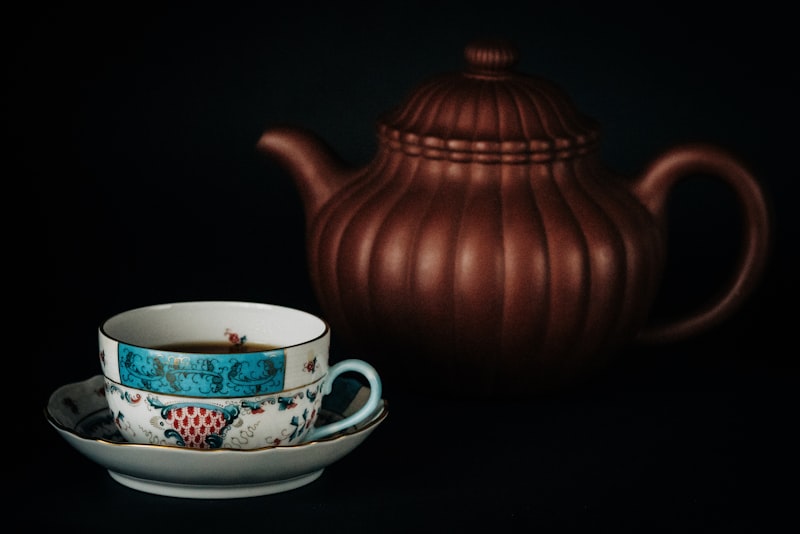
Wuyi Shui Xian
Oolong tea
4.5/5 · FindMeTea score
About this tea
Wuyi Shui Xian (水仙), meaning 'water sprite' or 'narcissus', is a classic Wuyi rock oolong (yancha) grown in the dramatic cliffs of the Wuyi Mountains in northern Fujian, China. Heavily oxidized and finished over slow charcoal fires, it pours a deep amber liquor with roasted, woody warmth and a signature orchid-like fragrance. The most prized expressions come from old, gnarled bushes known as 'lao cong' (old bush), whose deep roots lend a mossy, mineral depth the Chinese call 'rock rhyme'. Smooth, full-bodied, and forgiving to brew, Shui Xian is one of the most beloved and approachable of the Wuyi rock teas.
How to brew: 95°C, 3 min, 3 g per cup.
Caffeine
Medium
How to brew
Flavor notes
toasted, woody, floral, mineral
Often associated with
Digestive comfort, Focus
Best time to enjoy
Mid-morning, Early afternoon, After a meal
Tags
Where to find it in United States
 Where to find it in United States
- Other Oolong tea
Harney & Sons
New York · SoHo (ships nationwide)
Milky Oolong (loose, 3 oz tin)
from US$ 14· 3 oz
In storeOnline433 Broome StreetGo to shop → - Other Oolong tea
McNulty's Tea & Coffee
New York · Greenwich Village
Tung Ting Extra Fancy Formosa Oolong
from US$ 27.50· 4 oz
In storeOnline109 Christopher StreetGo to shop → - Other Oolong tea
Chado Tea Room
Los Angeles · Downtown (Little Tokyo) and Hollywood; also Pasadena, Torrance
Champagne Tieguanyin
US$ 37.50· 4 oz
In storeOnline369 East 1st StreetGo to shop → - Other Oolong tea
Tea and Whisk
Las Vegas · Chinatown (Spring Mountain Rd)
Dark Roast Iron Goddess Oolong
from US$ 13.50· 2 oz
In storeOnline6288 Spring Mountain Rd, Ste 110Go to shop → - Other Oolong tea
Rishi Tea
Iron Goddess of Mercy oolong (loose leaf)
US$ 23.50· 100 g
OnlineGo to shop →
Prices checked by us on Sep 5, 2026; they may change.
No shop pays to appear here — we list what we verified ourselves.
Know a shop that sells it? Tell usOrigin & Production
Wuyi Shui Xian comes from the Wuyi Mountains (Wuyishan), a UNESCO World Heritage landscape of red sandstone cliffs, gorges, and winding streams in northern Fujian. The teas grown within the protected 'zheng yan' (true cliff) core zone are most prized, as the mineral-rich, weathered rock soil imparts the distinctive 'yan yun' or rock rhyme. The cultivar thrives in the misty, humid microclimate where bushes cling to ravines and terraces between the peaks. While Shui Xian is also grown in other parts of Fujian and Guangdong, the Wuyi-grown rock oolong remains the benchmark for the style.
Production process
Plucking
Mature leaves are plucked in spring, typically as an open set of three to four leaves rather than tender buds, giving Shui Xian its full body and structure.
Withering & sun-softening
Fresh leaves are withered indoors and briefly in the sun to reduce moisture and begin developing aroma, preparing them for oxidation.
Bruising & oxidation
Leaf edges are gently bruised through repeated shaking and resting, encouraging partial oxidation that builds the floral orchid notes and dark, fruity depth.
Fixing & rolling
The leaves are pan-fired to halt oxidation, then rolled into long, twisted strips characteristic of strip-style Wuyi oolong.
Charcoal roasting
The defining step: leaves are slow-roasted over charcoal in baskets, sometimes across several rounds over weeks, developing the toasted, woody warmth and smoothing any sharpness.
Resting & sorting
After roasting, the tea rests for weeks or months to mellow and integrate before being sorted, graded, and packed for sale.
History & Tradition
Shui Xian has been cultivated and roasted in the Wuyi region for centuries, becoming one of the cornerstone cultivars of Wuyi rock tea alongside the legendary Da Hong Pao. Its story is woven into the long tradition of yancha craftsmanship that made Wuyi famous across China and beyond.
Rise of Wuyi oolong
During the Ming Dynasty, Wuyi became a renowned center of tea craft as producers refined the partial-oxidation and roasting methods that would define rock oolong styles like Shui Xian.
Shui Xian cultivar spreads
Tradition traces the Shui Xian cultivar to the Jianyang area near Wuyi during the Qing Dynasty, after which it was widely propagated and became a mainstay of Wuyi rock tea gardens.
Export through Fujian ports
Wuyi oolong, known to early Western traders as 'Bohea', traveled through Fujian's ports to Europe, helping establish Chinese oolong on the global tea map.
Old-bush appreciation
Connoisseurs increasingly prized 'lao cong' (old-bush) Shui Xian from decades-old plants, valuing the mossy, mineral depth that older roots bring to the cup.
UNESCO recognition
The Wuyi Mountains were inscribed as a UNESCO World Heritage Site, recognizing both the landscape and the deep cultural heritage of its rock tea traditions.
Global specialty revival
A worldwide revival of interest in hand-crafted, charcoal-roasted oolong brought Wuyi Shui Xian to specialty tea drinkers everywhere, celebrated for its approachable depth and aging potential.
Health Benefits
After-meal comfort
Warm, roasted oolong is traditionally enjoyed after rich meals, and many drinkers find a cup of Shui Xian brings a settled, comfortable feeling that makes it a natural close to a meal.
Gentle focus
With moderate caffeine balanced by the amino acid L-theanine, Shui Xian offers a calm, steady alertness that suits mid-morning work without the jitters of stronger brews.
Rich in polyphenols
Like other oolongs, Shui Xian is a source of tea polyphenols and antioxidants that are part of a balanced, plant-forward lifestyle.
Soothing ritual
The slow, multi-infusion gongfu style traditionally used for rock oolong turns a cup of Shui Xian into a mindful, grounding ritual that encourages a pause in the day.
Warming and smooth
The charcoal roast gives Shui Xian a warming, full-bodied smoothness that feels gentle on the palate and especially comforting in cooler weather.
Grades & Varieties
Zheng Yan (true cliff)
Shui Xian grown in the protected core cliff zone of Wuyishan, prized for its pronounced 'rock rhyme' — a mossy, mineral depth layered over orchid and roasted notes. The most sought-after and collectible expression.
Best for
- ✓Gongfu-style tasting
- ✓Special occasions
- ✓Experienced oolong drinkers
Lao Cong (old bush)
Made from decades-old Shui Xian bushes whose deep roots lend an unmistakable mossy, woody character and silky body. Highly valued for its depth and lingering finish.
Best for
- ✓Slow, contemplative brewing
- ✓Cool-weather evenings
- ✓Collectors and connoisseurs
Everyday Wuyi Shui Xian
Accessible, well-roasted Shui Xian for daily drinking, offering the signature toasted, woody, orchid profile in a smooth and forgiving cup that brews easily across many infusions.
Best for
- ✓Daily afternoon cup
- ✓Introduction to rock oolong
- ✓Pairing with food
Did you know?
The name 'Shui Xian' means 'water sprite' or 'narcissus', and the most prized versions come from gnarled 'lao cong' (old-bush) plants whose deep roots give the tea a mossy, mineral 'rock rhyme'.
Foods with this tea
What to Eat with Wuyi Shui Xian Oolong
Wuyi Shui Xian's roasted, woody warmth and orchid aroma pair beautifully with savory Chinese dishes, roasted nuts, and dark chocolate—rich foods that echo its charcoal depth.
Shui Xian Tea-Smoked Soy Chicken
Chicken gently tea-smoked with Wuyi Shui Xian leaves and braised in a roasted soy glaze—the oolong's charcoal-woody aroma deepens every layer of this comforting dish.
Roasted Shui Xian Oolong Panna Cotta
A silky panna cotta infused with Wuyi Shui Xian—the oolong's roasted, orchid-woody warmth gives this creamy dessert a sophisticated, lightly toasted depth.
Drinks with this tea

Warm Shui Xian Oolong with Honey and Roasted Date
A cozy, after-meal wellness brew that pairs Wuyi Shui Xian's roasted depth with a roasted date and a touch of honey—comforting, warming, and gently grounding.
Cold-Brew Shui Xian Oolong with Osmanthus and Orange
Cold-brewed Wuyi Shui Xian softened with fragrant osmanthus and fresh orange—a smooth, floral-roasted iced tea that's refreshing without losing its woody depth.
Shui Xian Roasted Oolong Old Fashioned
A roasted-oolong twist on the Old Fashioned, where Wuyi Shui Xian-infused whisky meets honey and orange—plus a non-alcoholic version for an alcohol-free evening.