
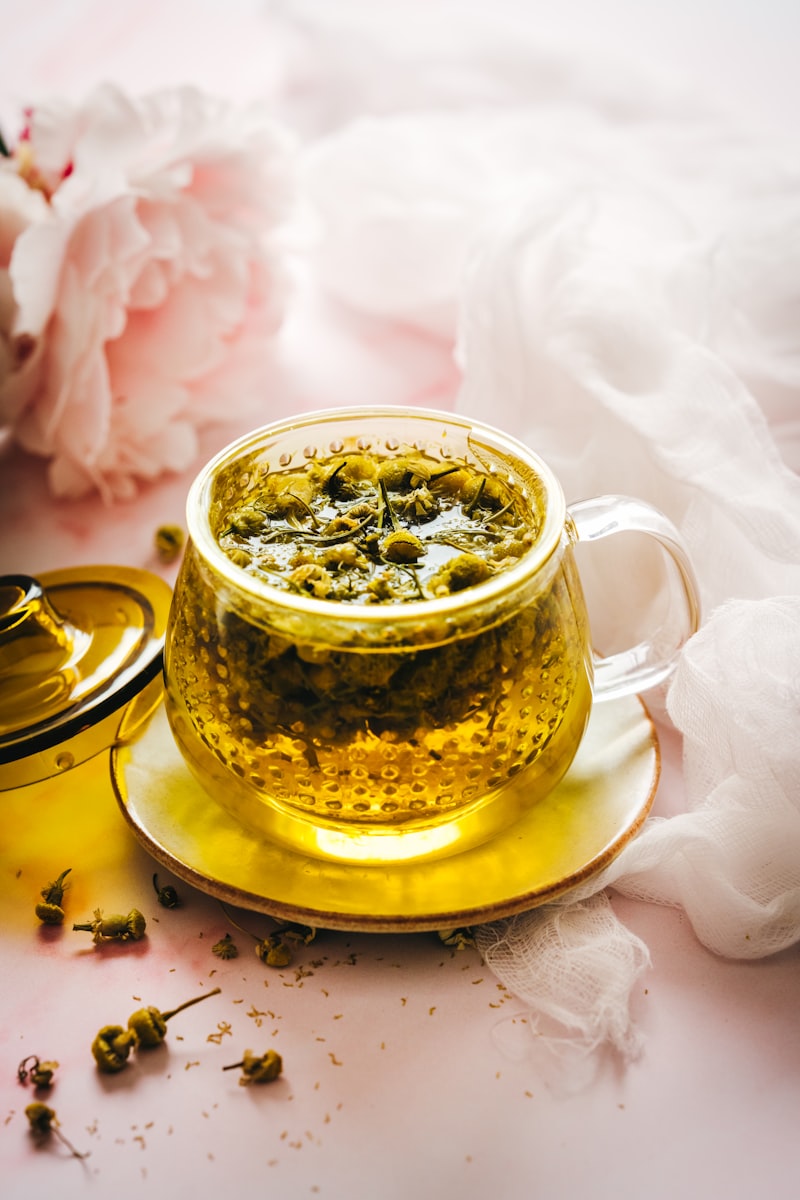
Anji Bai Cha
Green tea
4.6/5 · FindMeTea score
About this tea
Anji Bai Cha is a celebrated green tea from Anji County in Zhejiang Province, made from a rare albino tea cultivar whose young spring leaves emerge a pale, almost translucent jade-white. Despite the name 'bai cha' (white tea), it is processed as a green tea, not a true white. The cool spring temperatures slow chlorophyll production in this cultivar, concentrating amino acids and giving the tea its hallmark umami-sweet, savory smoothness with very little bitterness. The brewed liquor is a pale, luminous jade, delicate and refreshing on the palate. Famed for its high theanine content, Anji Bai Cha is prized as a clean, mellow cup that supports a calm, focused state of mind.
How to brew: 80°C, 2.5 min, 3 g per cup.
Caffeine
Medium
How to brew
Flavor notes
umami, sweet, vegetal, smooth
Often associated with
Focus, Clarity
Best time to enjoy
Morning, Mid-morning, Early afternoon
Tags
Where to find it in United States
 Where to find it in United States
- Other Green tea
Harney & Sons
New York · SoHo (ships nationwide)
Japanese Sencha (loose, 4 oz tin)
US$ 15· 4 oz
In storeOnline433 Broome StreetGo to shop → - Other Green tea
McNulty's Tea & Coffee
New York · Greenwich Village
Sencha Premium Grade
from US$ 15· 4 oz
In storeOnline109 Christopher StreetGo to shop → - Other Green tea
Chado Tea Room
Los Angeles · Downtown (Little Tokyo) and Hollywood; also Pasadena, Torrance
Lung Ching (Dragon Well)
US$ 16.38· 4 oz
In storeOnline369 East 1st StreetGo to shop → - Other Green tea
Tea and Whisk
Las Vegas · Chinatown (Spring Mountain Rd)
Yame Organic Sencha
US$ 18· 2 oz
In storeOnline6288 Spring Mountain Rd, Ste 110Go to shop → - Other Green tea
Rishi Tea
Organic Sencha (loose leaf)
US$ 37· 100 g
OnlineGo to shop →
Prices checked by us on Sep 5, 2026; they may change.
No shop pays to appear here — we list what we verified ourselves.
Know a shop that sells it? Tell usOrigin & Production
Anji Bai Cha is grown in the bamboo-clad hills of Anji County in northern Zhejiang Province, a region known for its cool, misty climate and clean mountain air. The tea is made exclusively from a distinctive albino cultivar locally called 'Bai Ye Yi Hao' (White Leaf No. 1), whose new shoots turn pale in cool spring weather. The high elevation, frequent fog, and forested surroundings create ideal conditions for slow, flavorful leaf growth. The albino trait only appears for a short window each spring, when temperatures are low enough to suppress chlorophyll, so the prized pale-leaf harvest is brief. As the season warms, the same plants green up and lose their signature character, making early picking essential.
Production process
Early spring plucking
Tender shoots are hand-picked during the short cool window when leaves are at their palest. Timing is everything — pick too late and the leaves green up and lose their prized amino-acid character.
Withering
Freshly picked leaves are spread thinly to lose surface moisture and soften slightly, preparing them for firing while preserving their delicate aroma.
Kill-green (sha qing)
The leaves are pan-fired at moderate heat to halt oxidation, locking in the fresh, savory umami notes and the pale jade color that defines this green tea.
Shaping
The leaves are gently pressed and rolled into their characteristic slender, flat shape resembling orchid petals or phoenix feathers, without crushing the delicate leaf.
Drying
A final low-heat drying reduces moisture for storage and stability, locking in the tea's fresh fragrance and mellow, sweet flavor.
Grading & packing
Finished leaves are sorted by color and uniformity — the palest, most even leaves from the earliest pick command the highest grades and are sealed away from light and moisture.
History & Tradition
Although tea has grown in Zhejiang for many centuries, Anji Bai Cha as a commercial tea is surprisingly modern, tracing back to the discovery of a single ancient albino tea tree in the 1980s.
A 'white tea' legend
Emperor Huizong's famous treatise on tea praised a rare pale-leaved 'white tea,' a reference later associated with the kind of albino-leaf tea that Anji would become known for centuries afterward.
The mother tree
A single ancient albino tea tree was discovered growing wild on a mountainside in Anji County. This rare specimen became the source of all modern Anji Bai Cha.
Cultivar propagated
Cuttings from the mother tree were carefully propagated into the 'White Leaf No. 1' cultivar, allowing growers across Anji to establish the first commercial gardens.
Protected designation
Anji Bai Cha received geographic-origin protection, formally recognizing it as a regional specialty tied to the unique terroir of Anji County.
National acclaim
Anji Bai Cha rose to become one of China's most popular premium green teas, celebrated for its high amino-acid content and exceptionally smooth, umami-sweet flavor.
Global specialty appeal
Now exported to specialty tea markets worldwide, Anji Bai Cha is sought after by enthusiasts who prize its delicate jade liquor and clean, savory sweetness.
Health Benefits
Calm, clear focus
Anji Bai Cha is naturally high in the amino acid L-theanine, traditionally associated with a relaxed yet alert state of mind. Combined with moderate caffeine, it offers a smooth, focused lift rather than a jittery one.
Smooth & mellow
Thanks to its high amino-acid content and low bitterness, this tea brews into a notably gentle, savory-sweet cup that sits comfortably even for those sensitive to astringent greens.
Antioxidant-rich
Like other green teas, Anji Bai Cha is abundant in catechins and polyphenols, plant compounds widely studied for their antioxidant activity and traditionally enjoyed as part of a balanced lifestyle.
Gentle energy
With a moderate caffeine level softened by its high theanine, Anji Bai Cha provides a clean, gentle energy many drinkers find ideal for sustained concentration throughout the day.
Mindful ritual
Watching the pale leaves unfurl in glass and sipping the luminous jade liquor makes a calming daily ritual, offering a quiet moment that supports a sense of overall well-being.
Grades & Varieties
Pre-Qingming (Ming Qian)
The earliest and palest pluck, harvested before the Qingming festival when leaves are most translucent and amino-acid content peaks. The most prized grade, with the purest umami sweetness and the most luminous jade liquor.
Best for
- ✓Glass-brewing to admire the leaves
- ✓Special-occasion sipping
- ✓Gifting
Pre-rain (Yu Qian)
Picked just after Qingming and before the Grain Rain period, slightly greener and fuller-bodied while still smooth and sweet. An excellent everyday premium grade with great value.
Best for
- ✓Daily premium cups
- ✓Focused afternoons
- ✓Multiple infusions
Standard spring grade
Leaves picked toward the end of the pale-leaf window, greener and a touch more robust but still mellow and low in bitterness. Forgiving to brew and ideal for regular drinking.
Best for
- ✓Everyday sipping
- ✓Iced and cold-brew
- ✓Casual mugs
Did you know?
Despite being called 'bai cha' (white tea), Anji Bai Cha is processed as a green tea — its name comes from a rare albino cultivar whose spring leaves turn pale jade-white in cool weather, concentrating amino acids for a sweet, umami cup.
Foods with this tea

What to Eat with Anji Bai Cha Tea
Anji Bai Cha's umami-sweet, low-bitterness jade cup pairs delicately with steamed seafood, tofu, fresh salads, and light, savory snacks.
Anji Bai Cha Steamed Egg Custard with Prawns
Silky Chinese steamed egg custard made with a gentle Anji Bai Cha infusion and topped with sweet prawns—the tea's umami deepens the savory custard.
Anji Bai Cha Green Tea Mochi
Soft, chewy mochi tinted and flavored with Anji Bai Cha—the tea's gentle umami-sweetness gives these delicate rice cakes a clean, fragrant finish.
Drinks with this tea

Anji Bai Cha Clarity Brew with Lemongrass
A smooth, calming green tea brew with fragrant lemongrass and a touch of honey—crafted for clear, focused calm thanks to the tea's high theanine.
Cold-Brew Anji Bai Cha with White Peach
Delicate cold-brewed Anji Bai Cha infused with ripe white peach—a soft, umami-sweet iced green tea that's pure refreshment over ice.
Anji Bai Cha Vodka Spritz
A light, elegant spritz built on Anji Bai Cha-infused vodka with elderflower and lemon—plus a zero-proof mocktail version everyone can enjoy.