
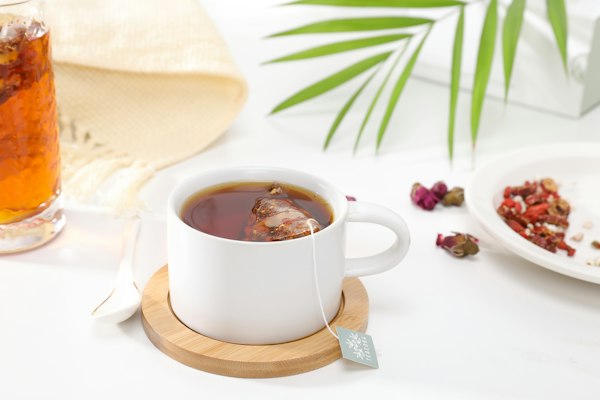
Cardamom
Herbal infusion
4.3/5 · FindMeTea score
About this tea
Cardamom tea (cardamomo) is a caffeine-free herbal tisane made by steeping or simmering the crushed green pods of Elettaria cardamomum — not a black-tea chai blend, but the spice on its own, brewed as a standalone infusion. The flavor is warmly sweet and intensely aromatic, with a bright citrus-eucalyptus lift that opens the sinuses on the first sip and a soft, almost floral sweetness that lingers afterward. Cardamom has been one of the world's most prized spices for millennia, traded along ancient caravan routes from the rainforests of the Western Ghats to the courts of Persia and beyond, and it remains a everyday digestive staple across Middle Eastern and South Asian households today, often sipped after a heavy meal or chewed as whole pods to freshen the breath. Because it carries no caffeine, this infusion suits any time of day — morning, midday, or right before bed — and is traditionally reached for specifically to settle the stomach and ease a sense of fullness after eating. Brewed on its own, without the black tea, milk, and additional spices found in chai, cardamom tea shows a cleaner, more focused side of the spice: less of a hearty breakfast drink, more of a fragrant after-dinner digestif.
How to brew: 100°C, 5 min, 3 g per cup.
Caffeine
None
How to brew
Flavor notes
citrusy, sweet, spiced, aromatic
Often associated with
Digestive comfort, Freshness
Best time to enjoy
Morning, After a meal, Any time
Tags
Where to find it in United States
 Where to find it in United States
- Other Herbal infusion
Harney & Sons
New York · SoHo (ships nationwide)
Chamomile, Egyptian flowers (loose, 1.5 oz tin)
US$ 6.60· 1.5 oz
In storeOnline433 Broome StreetGo to shop → - Other Herbal infusion
McNulty's Tea & Coffee
New York · Greenwich Village
Lavender (2 oz tin)
from US$ 13.95· 2 oz
In storeOnline109 Christopher StreetGo to shop → - Other Herbal infusion
Chado Tea Room
Los Angeles · Downtown (Little Tokyo) and Hollywood; also Pasadena, Torrance
Peppermint
US$ 14.38· 4 oz
In storeOnline369 East 1st StreetGo to shop → - Other Herbal infusion
Rishi Tea
Organic Ginger (loose, 1 lb)
US$ 30· 454 g
OnlineGo to shop → - Other Herbal infusion
Upton Tea Imports
Chamomile Organic (40 g packet)
US$ 6.25· 40 g
OnlineGo to shop →
Prices checked by us on Sep 6, 2026; they may change.
No shop pays to appear here — we list what we verified ourselves.
Know a shop that sells it? Tell usOrigin & Production
True green cardamom, Elettaria cardamomum, is native to the moist evergreen forests of the Western Ghats mountain range along India's southwestern coast, where wild and cultivated stands still grow in the shade of taller trees at elevations between 600 and 1,500 meters. The plant is a tall, reed-like perennial in the ginger family, and its triangular seed pods form at the base near the soil rather than high on the stem, which has historically made harvest slow and labor-intensive. India remained the dominant producer for centuries, but in the late 1800s German settlers introduced cardamom cultivation to Guatemala, whose volcanic highlands and rainfall pattern proved so well suited to the crop that Guatemala overtook India in export volume during the 20th century and remains the world's top cardamom exporter today. Sri Lanka and a handful of other tropical highland regions also grow smaller quantities. Because the plant needs partial shade, consistent humidity, and hand-harvesting of pods at just the right stage of ripeness, cardamom continues to rank among the most labor-intensive — and expensive — spices in the world, often called the "queen of spices."
Production process
Shade cultivation
Cardamom is grown under the canopy of taller trees on hillside plantations, which keeps humidity high and protects the delicate plants from direct sun — conditions that closely mimic its native forest understory.
Hand-picking unripe pods
Pods are picked by hand just before full ripeness, when they are still green and tightly closed, since fully ripe pods on the plant tend to split and lose their volatile aromatic oils.
Curing & drying
Fresh pods are dried slowly — traditionally in the sun or over low, controlled heat in curing chambers — to lock in the green color and the volatile oil cineole, the compound largely responsible for cardamom's signature eucalyptus-citrus aroma.
Grading & sorting
Dried pods are sorted by size, color, and seed-fill into export grades, with large, bright-green, plump pods commanding the highest prices in Middle Eastern and South Asian markets.
Crushing for tea
For tea preparation, whole pods are lightly cracked or crushed just before brewing to expose the seeds inside — this releases far more aroma than steeping whole, intact pods.
History & Tradition
Few spices have traveled as far, or been valued as highly, as cardamom — it threaded through ancient trade routes connecting South India to Mesopotamia, Egypt, Greece, and Scandinavia, carrying both culinary and medicinal status wherever it went.
Early Sanskrit and Greek records
Cardamom appears in ancient Indian Ayurvedic texts and is mentioned by Greek writers including Theophrastus, who recorded it as an aromatic imported from India alongside pepper and cinnamon.
Roman trade and excess
Cardamom reached Rome via Arab and Indian Ocean trade networks and became so prized that Roman writers criticized its use in perfumes and feasts as a symbol of indulgent luxury.
Viking trade routes
Cardamom is believed to have reached Scandinavia via Viking trade routes through Russia and Constantinople, where it took root in Nordic baking traditions that still use it today.
Spread through the spice routes
Arab traders carried cardamom across the Middle East and North Africa, embedding it into Bedouin coffee culture, where roasted cardamom pods became — and remain — an essential flavoring for Arabic coffee.
Guatemala enters the trade
German coffee planters introduced cardamom cultivation to Guatemala's Alta Verapaz highlands; by the mid-20th century Guatemala had overtaken India as the world's leading cardamom exporter.
A global digestive staple
Cardamom is now grown across the tropics and used everywhere from Scandinavian buns to Indian masala chai to Middle Eastern coffee — with standalone cardamom tisanes drunk specifically as a gentle after-meal digestive.
Health Benefits
Traditional digestive comfort
Across Middle Eastern and South Asian households, cardamom infusions are reached for after meals to ease a feeling of fullness and gently settle the stomach — one of the spice's oldest and most consistent traditional uses.
Aromatic, sinus-opening lift
The volatile oil cineole gives cardamom a bright, eucalyptus-like top note that many people find immediately refreshing and clearing to breathe in, especially when the pods are freshly crushed.
Antioxidant compounds
Cardamom seeds contain polyphenols and other antioxidant compounds that have been studied for their free-radical-scavenging activity, contributing to the spice's long-standing reputation in traditional wellness practices.
Warming, breath-freshening quality
Chewing or steeping cardamom is traditionally used to freshen the breath, and its warming, slightly sweet spiciness makes it a comforting choice on a cold evening or after a rich meal.
Calming, caffeine-free ritual
With zero caffeine, cardamom tea works well as a slow-down ritual in the evening — the act of steeping fragrant crushed pods and breathing in the rising steam is itself part of its calming appeal.
Grades & Varieties
Whole green pods
Plump, bright-green, unsplit pods — the gold standard for tea, since the volatile oils stay sealed inside until you crush them just before brewing. Crush 4–6 pods per cup for a bright, full aroma.
Best for
- ✓Fresh, vivid cardamom flavor
- ✓After-meal digestive cup
- ✓Pairing with chai or coffee
Cracked / decorticated pods
Pods that have already been split or had the outer husk removed, exposing the dark seeds directly. Brews faster and stronger than whole pods, since the oils are already exposed.
Best for
- ✓Quick weeknight brewing
- ✓Stronger, more concentrated cup
- ✓Blending with other spices
Ground cardamom
Pre-ground seed powder offers convenience but loses aromatic oils quickly once exposed to air — best used within a few weeks of grinding and best suited to simmered preparations rather than quick steeps.
Best for
- ✓Simmered milk-based preparations
- ✓Baking and cooking crossover use
- ✓Travelers without a mortar
Did you know?
Cardamom is called the 'queen of spices' and is believed to have reached Scandinavia via Viking trade routes through Russia and Constantinople, where it took root in Nordic baking that still uses it today.
Foods with this tea

What to Eat with Cardamom Tea
Cardamom's warm, citrusy-sweet spice calls for foods that lean into its dessert-like side or that need a digestive lift after a rich meal.
Cardamom-Spiced Lentil and Carrot Soup
A golden, warming red lentil soup brightened with cracked cardamom pods and cumin — a savory way to bring the tea's aromatic spice into a full meal.
Cardamom Rice Pudding (Kheer-Style)
A silky, slow-simmered rice pudding perfumed with crushed cardamom pods and topped with toasted pistachios — dessert that tastes like the tea itself.
Drinks with this tea

Cardamom-Ginger Digestive Tonic
A warming, after-meal tonic that pairs cardamom's citrusy spice with fresh ginger — a centuries-old digestive duo from South Asian and Middle Eastern kitchens.
Iced Cardamom Orange Cooler
A cold-brewed cardamom infusion blended with fresh orange juice — a bright, caffeine-free cooler that turns the spice's citrusy edge into something refreshing.
Cardamom Rose Mocktail
A non-alcoholic, soda-topped mocktail built on cardamom syrup and rose water — fragrant, calming, and built for a slow, caffeine-free evening.