
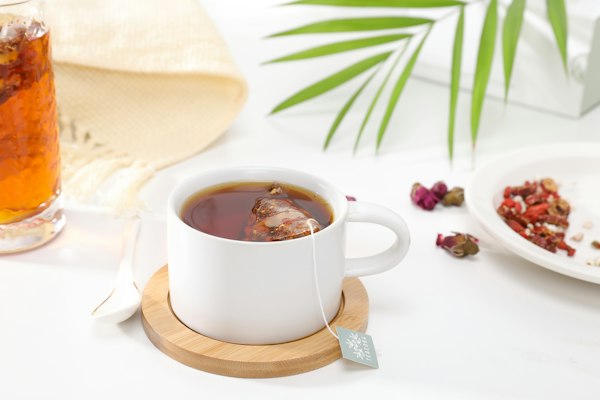
Pregnancy-Friendly Blend
Herbal infusion
About this tea
The Pregnancy-Friendly Blend is a gentle, caffeine-free herbal infusion combining three traditional botanicals: red raspberry leaf (Rubus idaeus), ginger root (Zingiber officinale), and lemon balm (Melissa officinalis). Red raspberry leaf has long been used in folk midwifery as a uterine and pelvic 'toning' tea, most often associated with the later stages of pregnancy; ginger contributes a warming, settling quality traditionally used for nausea; and lemon balm rounds out the cup with a soft, citrusy calm. The result is a mild, slightly tart, gently spiced tisane with none of the bitterness or astringency of true tea — designed as a comforting daily ritual rather than a medicinal dose. Because pregnancy is a uniquely sensitive period, this blend should always be discussed with a healthcare provider before use, particularly in the first trimester.
How to brew: 95°C, 5 min, 2 g per cup.
Caffeine
None
How to brew
Flavor notes
smooth, lightly sweet, citrusy
Often associated with
Calm, Digestive feeling
Best time to enjoy
Morning, Afternoon, Any time
Tags
Origin & Production
This is a formulated blend rather than a single-origin tea, bringing together three botanicals with very different histories. Red raspberry leaf is harvested from raspberry bushes (Rubus idaeus) cultivated throughout the UK, continental Europe, and North America — the leaf, not the fruit, is dried for tea. Lemon balm is a hardy Mediterranean-native herb in the mint family, now grown widely in temperate gardens worldwide for its lemon-scented foliage. Ginger root is cultivated in tropical and subtropical regions, with India, China, Nigeria, and Indonesia among the largest producers; only the rhizome is used, dried and cut for infusion. Reputable prenatal blends source each herb from food-grade, pesticide-screened suppliers and combine them in carefully tested ratios so no single ingredient dominates the cup or the dose.
Production process
Source each herb separately
Dried red raspberry leaf, dried lemon balm leaf, and dried (or fresh-dried) ginger root pieces are sourced individually from food-grade suppliers, ideally organic and screened for contaminants given the sensitivity of the intended use.
Balance the ratio
A typical gentle ratio is roughly 2 parts raspberry leaf to 1 part lemon balm to 1 part ginger, keeping the raspberry leaf as the backbone while letting ginger and lemon balm soften and brighten the cup.
Cut and sieve
Leaves and root pieces are cut to a uniform, coarse-cut size — fine enough to infuse evenly, coarse enough to avoid excessive sediment in the cup or in tea bags.
Blend in small batches
The three herbs are tumble-blended in small batches to ensure each tea bag or scoop of loose leaf delivers a consistent, predictable ratio — important when a blend is intended for daily, repeated use.
Package and label clearly
Finished blend is packed in sealed, light-protected pouches or boxes, ideally labeled with ingredient percentages and a visible note to consult a healthcare provider before use during pregnancy.
History & Tradition
Each herb in this blend has its own long folk history, but their combination into a single 'pregnancy tea' is a more recent development of 20th-century Western herbalism and midwifery practice.
Early uses of the individual herbs
Lemon balm appears in ancient Greek and Roman writings (including Dioscorides) as a calming, digestive herb, while ginger has been used across Asian medicine systems for thousands of years to settle the stomach.
European folk midwifery
European herbalists and midwives, including figures like Nicholas Culpeper, recorded raspberry leaf among the herbs traditionally given to women in the later stages of pregnancy and around childbirth.
Folk name takes hold
Raspberry leaf tea became widely known in English-speaking folk medicine as a pregnancy 'tonic,' passed down through generations of midwives and herbalists, long before any formal clinical study examined the claim.
Early scientific curiosity
Mid-20th-century researchers ran early laboratory studies on raspberry leaf extracts and uterine tissue, sparking ongoing scientific interest in the plant's traditional reputation, though human trial evidence remained limited.
Modern prenatal blends emerge
Commercial 'pregnancy tea' and 'mother's tea' blends combining raspberry leaf with gentler, complementary herbs like ginger and lemon balm became widely available in health food stores across the US, UK, and Australia.
Widely sold, individually evaluated
Prenatal blends remain popular worldwide, but professional health bodies consistently advise that any herbal product be reviewed with a midwife, obstetrician, or doctor on a case-by-case basis, since pregnancy needs vary by trimester and individual health history.
Health Benefits
Traditional toning use (later pregnancy)
Red raspberry leaf is traditionally associated with 'toning' the uterus and pelvic muscles, and folk midwifery practice has most commonly reserved its use for the second and third trimesters, not the first.
Stomach-settling warmth
Ginger's warming compounds, gingerol and shogaol, are traditionally used to ease an unsettled stomach and queasiness, which is why ginger is one of the most widely recognized comfort herbs during pregnancy.
Gentle emotional calm
Lemon balm has a long folk reputation as a mild, gentle nervine — a soft citrusy herb traditionally sipped to ease everyday tension without the stronger sedative effect of herbs like valerian.
Caffeine-free hydration ritual
Because the blend is entirely caffeine-free, it offers a warm, flavorful way to support daily fluid intake without contributing to caffeine totals — useful for anyone choosing to limit caffeine during pregnancy.
Mild, food-like nutrient profile
Raspberry leaf naturally contains trace minerals and tannins typical of leafy herbal infusions; it is consumed as a food-like beverage rather than a concentrated supplement, which is part of why it is generally well tolerated at moderate culinary strength.
Comforting evening or daytime ritual
Beyond any specific herb's traditional reputation, the simple act of pausing for a warm, mild cup of tea is itself a small daily comfort that many people find grounding during pregnancy.
Grades & Varieties
Standard blend (loose leaf)
The classic 2:1:1 ratio of raspberry leaf, lemon balm, and ginger as coarse-cut loose herb. Gives the most control over strength — start light and adjust steep time to taste.
Best for
- ✓Adjustable, mild daily cup
- ✓Those who prefer loose-leaf brewing
- ✓Sharing one batch across the day
Tea bag format
Pre-portioned tea bags with the same three-herb ratio, sealed for freshness and convenience. A consistent, pre-measured way to keep the dose predictable from cup to cup.
Best for
- ✓On-the-go or travel use
- ✓Predictable, consistent strength
- ✓Simple daily routine
Raspberry-leaf-forward blend
A higher proportion of raspberry leaf with just enough ginger and lemon balm to soften the slightly tannic, green-tea-like flavor. Often used in later pregnancy once a provider has discussed it.
Best for
- ✓Later-pregnancy use (with provider guidance)
- ✓Those who enjoy a more herbaceous cup
- ✓Pairing with honey to soften tannins
Did you know?
Red raspberry leaf tea has been used in English-speaking folk midwifery since at least the 1800s as a pregnancy 'toning' tonic, but tradition reserves it mainly for the second and third trimesters — and, like this whole blend, it should always be discussed with a healthcare provider before use, especially in the first trimester.
Foods with this tea
What to Eat with the Pregnancy-Friendly Blend
Soft, settling foods that match this gentle raspberry leaf, ginger, and lemon balm tisane — comforting, mild, and easy on the stomach.
Ginger-Tea Poached Chicken and Rice Soup
A gentle, settling chicken and rice soup poached in the Pregnancy-Friendly Blend — mild, warming, and easy to digest.
Lemon Balm Tea Baked Oatmeal Bars
Soft baked oatmeal bars sweetened with honey and infused with the Pregnancy-Friendly Blend — a gentle, fiber-rich snack for any time of day.
Drinks with this tea
Honey-Ginger Prenatal Tonic
A warm, settling tonic that builds on the Pregnancy-Friendly Blend with extra ginger and a touch of honey — a gentle ritual for any time of day.
Iced Raspberry Lemon Balm Cooler
A refreshing, caffeine-free iced cooler made from the Pregnancy-Friendly Blend, fresh raspberries, and lemon — light, hydrating, and gentle.
Sparkling Raspberry Ginger Mocktail
A celebratory, fully non-alcoholic mocktail built on the Pregnancy-Friendly Blend, raspberries, and ginger — bubbly, festive, and bump-friendly.