
Skin & Beauty Blend
Herbal infusion
4.2/5 · FindMeTea score
About this tea
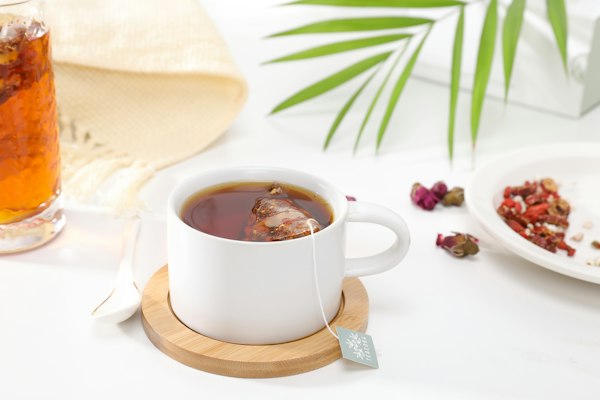
The Skin & Beauty Blend is a caffeine-free herbal infusion built from four classic botanicals: hibiscus (Hibiscus sabdariffa) calyces, rosehip (Rosa canina) shells, nettle (Urtica dioica) leaf, and dandelion (Taraxacum officinale) leaf or root. This combination sits at the heart of the popular 'beauty tea' category — infusions marketed around antioxidant-rich, vitamin-C-bearing fruits and mineral-rich leaves rather than any single exotic ingredient. The cup is tart and bright from the hibiscus and rosehip, rounded out by the mellow, slightly grassy, mineral notes of nettle and dandelion. It brews a deep ruby-red color without any added dye, which is part of why these blends photograph so well and have become a staple of wellness shelves worldwide. As with any 'beauty tea,' it's worth being clear-eyed: no infusion changes skin overnight, but these are real botanicals with a long history of use, valued here for their flavor, antioxidant content, and place in everyday self-care rituals.
How to brew: 100°C, 5 min, 3 g per cup.
Caffeine
None
How to brew
Flavor notes
tart, fruity, floral
Often associated with
Freshness, Sense of well-being
Best time to enjoy
Mid-afternoon, Any time
Tags
Where to find it in United States
 Where to find it in United States
- Other Herbal infusion
Harney & Sons
New York · SoHo (ships nationwide)
Chamomile, Egyptian flowers (loose, 1.5 oz tin)
US$ 6.60· 1.5 oz
In storeOnline433 Broome StreetGo to shop → - Other Herbal infusion
McNulty's Tea & Coffee
New York · Greenwich Village
Lavender (2 oz tin)
from US$ 13.95· 2 oz
In storeOnline109 Christopher StreetGo to shop → - Other Herbal infusion
Chado Tea Room
Los Angeles · Downtown (Little Tokyo) and Hollywood; also Pasadena, Torrance
Peppermint
US$ 14.38· 4 oz
In storeOnline369 East 1st StreetGo to shop → - Other Herbal infusion
Rishi Tea
Organic Ginger (loose, 1 lb)
US$ 30· 454 g
OnlineGo to shop → - Other Herbal infusion
Upton Tea Imports
Chamomile Organic (40 g packet)
US$ 6.25· 40 g
OnlineGo to shop →
Prices checked by us on Sep 6, 2026; they may change.
No shop pays to appear here — we list what we verified ourselves.
Know a shop that sells it? Tell usOrigin & Production
Each botanical in this blend comes from a different corner of the world. Hibiscus sabdariffa, often sold as 'flor de Jamaica,' is cultivated widely across Sudan, Egypt, West Africa, and Mexico, where the tart calyces have long been steeped into cold and hot drinks. Rosehip, the fruit left behind after wild and cultivated roses shed their petals, is gathered across Europe — Chile and Scandinavia are major modern producers — and was historically valued as an accessible source of vitamin C. Stinging nettle and dandelion are both native to Europe and now grow as cosmopolitan 'weeds' across temperate climates worldwide; both have been foraged and dried as kitchen and apothecary staples for centuries. As a blend, this tea has no single 'origin story' — it is a modern formulation that brings together old-world European foraged herbs with warm-climate hibiscus, unified by a shared reputation as tart, antioxidant-forward botanicals.
Production process
Sourcing each botanical
Hibiscus calyces are hand-harvested and sun-dried shortly after the flower fades; rosehips are picked after the first frost when their vitamin C and sugar content peaks, then deseeded and dried; nettle leaf is cut before flowering to avoid bitterness; dandelion leaf or root is gathered from cultivated or wild stands and dried separately.
Cutting and sizing
Each dried botanical is cut to a comparable particle size so the blend infuses evenly — whole hibiscus calyces and rosehip shells are typically chopped, while nettle and dandelion leaf are coarse-cut.
Blending the ratio
A typical 'beauty blend' ratio leans on hibiscus and rosehip for color, tartness, and vitamin C, with nettle and dandelion added in smaller proportion for mineral depth and a gentler, rounder finish.
Quality screening
Dried hibiscus and rosehip are screened for color and moisture content (deep red, low moisture indicates careful drying); nettle and dandelion are checked to ensure leaves are free of stem and debris.
Packaging
The finished blend is packed airtight and away from light, since hibiscus's red pigments (anthocyanins) and rosehip's vitamin C both degrade with prolonged light and air exposure.
History & Tradition
Each botanical in this blend has its own long, independent folk history; the 'beauty tea' framing that unites them is a much more recent, modern marketing category built on those older traditions.
Hibiscus in the Nile valley
Hibiscus sabdariffa cultivation and use as a sour, cooling drink traces back to ancient Egypt and Sudan, where it was traditionally served chilled during hot weather — a precursor to today's hibiscus iced teas.
Nettle and dandelion as kitchen herbs
Nettle and dandelion were everyday foraged greens and remedies across medieval Europe — nettle for soups and tonics, dandelion's roasted root as a coffee substitute and its leaves in spring tonics.
Rosehip syrup as a vitamin C source
When citrus imports were cut off during the Second World War, the British government organized mass foraging of wild rosehips to make rosehip syrup, an accessible domestic source of vitamin C for the population.
Herbal tea boom in the West
Western health-food culture popularized caffeine-free hibiscus and rosehip blends as everyday alternatives to black tea, often sold under names evoking sunsets, gardens, and wellness rather than any single botanical.
Birth of the 'beauty tea' category
As antioxidant and 'glow from within' marketing grew, tea companies began packaging hibiscus, rosehip, nettle, and similar botanicals together specifically under 'skin' and 'beauty' branding, cementing this combination as a recognizable retail category.
A staple of wellness shelves
Hibiscus-rosehip-nettle-dandelion style blends are now widely available worldwide, usually framed around antioxidants and everyday wellness rather than any specific medical claim.
Health Benefits
Antioxidant-rich botanicals
Hibiscus calyces are notably rich in anthocyanins and polyphenols, and rosehip is one of the most concentrated plant sources of vitamin C — together they make this one of the more antioxidant-dense herbal blends in everyday use.
Mineral-rich leafy botanicals
Dried nettle leaf is traditionally valued as a source of minerals such as iron, calcium, and magnesium, while dandelion leaf contributes potassium — both have long been used as everyday 'tonic' greens in European herbalism.
Bright, tart, everyday flavor
The natural tartness of hibiscus and rosehip means this blend needs little or no added sugar to taste satisfying, making it an easy, flavorful swap for sweetened sodas or juices, hot or iced.
Gentle fluid-balance support
Nettle and dandelion leaf both have a long traditional reputation as mild diuretics, supporting the body's normal fluid elimination as part of everyday herbal self-care routines.
Naturally caffeine-free
None of the four botanicals contain caffeine, making this blend a flexible choice any time of day, including evenings, for anyone avoiding stimulants.
Grades & Varieties
Classic loose blend
Cut hibiscus, rosehip, nettle, and dandelion in roughly equal-visibility proportions. A balanced, tart, ruby-red cup that's the standard expression of this category.
Best for
- ✓Everyday hot or iced drinking
- ✓Sugar-free fruity tea alternative
- ✓Gifting and beauty-routine pairing
High-hibiscus, low-tannin blend
A formulation weighted toward hibiscus and rosehip with a lighter hand on nettle and dandelion, giving a sweeter-tart, more fruit-forward cup with less of the earthy, mineral edge.
Best for
- ✓Iced tea and sparkling tea mixers
- ✓Drinkers new to tart herbal blends
- ✓Cold-brew preparation
High-nettle, garden-style blend
A more herbaceous, less tart version that leans on a higher proportion of nettle and dandelion leaf, producing a greener, more savory, mineral-forward infusion with hibiscus and rosehip in a supporting role.
Best for
- ✓Savory-leaning herbal tea drinkers
- ✓Pairing with savory snacks
- ✓Lower-tartness preference
Did you know?
During World War II, when citrus imports to Britain were cut off, the government organized mass foraging of wild rosehips to make rosehip syrup as an accessible domestic source of vitamin C.
Foods with this tea
What to Eat with the Skin & Beauty Blend
Tart hibiscus and rosehip with earthy nettle and dandelion call for foods that play with both sweetness and brightness — think yogurt bowls, fresh salads, and light citrus desserts.
Hibiscus-Glazed Beet and Goat Cheese Salad
Roasted beets glazed with a reduction of the Skin & Beauty Blend, served over greens with goat cheese and walnuts — a vivid, tart-sweet salad that mirrors the tea's own ruby color.
Hibiscus-Rosehip Poached Pears
Pears slowly poached in a Skin & Beauty Blend syrup turn a deep ruby-red, picking up the tea's tart fruitiness — an elegant, naturally pretty dessert with minimal added sugar.
Drinks with this tea
Hibiscus-Rosehip Glow Tonic
A warm, vitamin-C-forward tonic that pairs the Skin & Beauty Blend with fresh orange and a touch of honey — an everyday self-care ritual in a mug.
Iced Hibiscus-Rosehip Cooler with Strawberries
A cold-brewed iced cooler that turns the Skin & Beauty Blend into a vivid pink-red, strawberry-infused refresher — naturally tart, naturally caffeine-free, and built for hot afternoons.
Hibiscus Rose Spritz Mocktail
A non-alcoholic, rose-pink spritz built on a Skin & Beauty Blend reduction, lime, and sparkling water — an elegant alcohol-free option for evenings, brunches, or anywhere this caffeine-free blend belongs.