
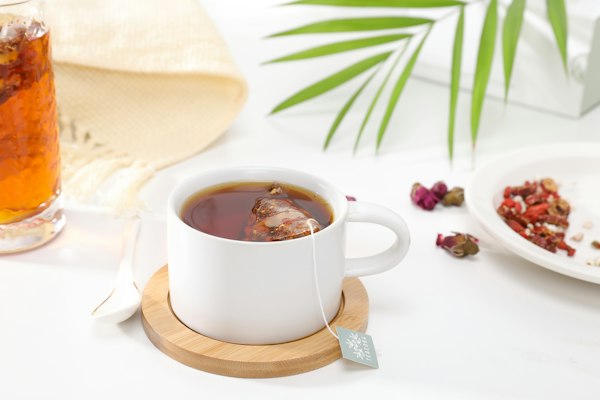
Star Anise
Herbal infusion
4.3/5 · FindMeTea score
About this tea
Star anise tea (anís estrella) is a naturally sweet, caffeine-free herbal infusion made from the dried, star-shaped seed pods of Illicium verum, an evergreen tree native to southern China and northern Vietnam. Its flavor is warm and intensely licorice-like, carried by anethole — the same aromatic compound found in fennel and true anise, though star anise delivers it with a bolder, almost spicy edge. For centuries the pods have been simmered or steeped as an after-meal digestive across East Asia and the Mediterranean, prized for settling the stomach and warming the body on cold evenings. Because each pod is so potent, a single star goes a long way, and the tea is often blended with cinnamon, clove, or citrus peel for mulled, spiced infusions. Note that only true star anise (Chinese star anise) should ever be used for tea — a visually similar but toxic relative, Japanese star anise, must never be confused with it.
How to brew: 100°C, 7 min, 2 g per cup.
Caffeine
None
How to brew
Flavor notes
anise, sweet, warming, spiced
Often associated with
Digestive comfort, Caffeine-free warmth
Best time to enjoy
Evening, After a meal
Tags
Where to find it in United States
 Where to find it in United States
- Other Herbal infusion
Harney & Sons
New York · SoHo (ships nationwide)
Chamomile, Egyptian flowers (loose, 1.5 oz tin)
US$ 6.60· 1.5 oz
In storeOnline433 Broome StreetGo to shop → - Other Herbal infusion
McNulty's Tea & Coffee
New York · Greenwich Village
Lavender (2 oz tin)
from US$ 13.95· 2 oz
In storeOnline109 Christopher StreetGo to shop → - Other Herbal infusion
Chado Tea Room
Los Angeles · Downtown (Little Tokyo) and Hollywood; also Pasadena, Torrance
Peppermint
US$ 14.38· 4 oz
In storeOnline369 East 1st StreetGo to shop → - Other Herbal infusion
Rishi Tea
Organic Ginger (loose, 1 lb)
US$ 30· 454 g
OnlineGo to shop → - Other Herbal infusion
Upton Tea Imports
Chamomile Organic (40 g packet)
US$ 6.25· 40 g
OnlineGo to shop →
Prices checked by us on Sep 6, 2026; they may change.
No shop pays to appear here — we list what we verified ourselves.
Know a shop that sells it? Tell usOrigin & Production
Illicium verum is native to the subtropical forests of Guangxi province in southern China and the adjoining highlands of northern Vietnam, where the tree's warm, humid, well-drained terrain lets it thrive for decades. Mature trees, which can live and bear fruit for over a hundred years, produce the eight-pointed star-shaped pods that are hand-harvested while still green and then sun-dried until they turn the deep reddish-brown seen in tea tins. Guangxi alone supplies the overwhelming majority of the world's star anise, much of it grown on smallholder farms tucked into the same hill country that also produces cassia cinnamon — the two spices are frequently grown side by side and traded together. Unlike camellia-based teas, star anise is a fruit spice, so its character depends on tree age, harvest timing, and drying conditions rather than elevation or seasonal flush, and the whole, intact star is considered the mark of top quality.
Production process
Hand harvesting
Pods are picked by hand from mature trees while still green and unripe, usually in two harvest windows per year — early spring and autumn — when the essential oil content is highest.
Sun-drying
Fresh green pods are spread on bamboo mats or open platforms and dried in the sun for several days until they harden and darken to a deep reddish-brown, concentrating the anethole-rich aroma.
Sorting & grading
Dried pods are hand-sorted by size, color, and the number of intact points — whole eight-pointed stars with a glossy sheen and no broken segments fetch the highest grade.
Cleaning & species verification
Reputable processors screen out any broken, misshapen, or visually atypical pods, since contamination with the toxic, inedible Japanese star anise (Illicium anisatum) is a known food-safety risk in poorly regulated supply chains.
Packaging & export
Graded, whole pods are packed in sealed, moisture-protected containers. China and Vietnam export star anise worldwide as whole pods, broken pieces, ground powder, and the basis for shikimic acid extraction used in pharmaceuticals.
History & Tradition
Star anise has traveled an unusually long road from a single corner of southern China to kitchens, medicine cabinets, and even modern pharmaceutical labs across the world.
Early use in southern China
Communities in what is now Guangxi gathered wild star anise pods long before written records, using them as a warming spice and a folk remedy for digestive complaints and colds.
Documented in Chinese materia medica
Physician Li Shizhen described the spice (bajiao huixiang, 'eight-horned fennel') in his Compendium of Materia Medica, recording its traditional use for warming the stomach and easing qi stagnation.
Arrival in Europe
English navigator Thomas Cavendish is traditionally credited with bringing star anise to Europe via the Philippines after his circumnavigation (1586–1588), and it was soon adopted into liqueurs and eventually blended with black tea in spiced infusions.
Spread along trade routes
Star anise became a fixture of Vietnamese pho broth, Indian garam masala and chai blends, and Middle Eastern and Mediterranean spiced wines and digestive tisanes, carried along maritime and overland spice routes.
Tamiflu shortage spotlight
Global demand for star anise spiked when shikimic acid, extracted from the pods, was revealed as the key starting material for the antiviral drug oseltamivir (Tamiflu), briefly straining the world's star anise supply.
Everyday global spice
Star anise is now a pantry staple worldwide, used in mulled wines, chai blends, simple syrups, and standalone digestive teas, while food-safety authorities continue to warn against confusing it with the toxic Japanese variety.
Health Benefits
Digestive comfort
Star anise has traditionally been steeped after meals across East Asia and the Mediterranean as a warming infusion thought to ease bloating and settle an unsettled stomach.
Antioxidant compounds
The pods contain anethole and other plant phenolics that researchers have studied for antioxidant activity, contributing to star anise's long-standing reputation as a supportive everyday spice.
Caffeine-free warmth
With no caffeine at all, star anise tea delivers a cozy, spice-forward warmth that fits naturally into an evening wind-down routine without affecting sleep.
Traditional cold-season comfort
Mulled with cinnamon, clove, and citrus, star anise has long been brewed as a comforting cold-weather drink across Mediterranean and East Asian households alike.
Calming evening ritual
The act of slowly steeping and sipping a fragrant, sweet-spiced star anise tea is itself part of a calming pre-sleep ritual in many traditional households, separate from any single active compound.
Grades & Varieties
Whole star pods
Complete, glossy, eight-pointed pods with all segments intact. The premium, most visually striking format, offering the fullest aroma and easiest visual verification that the spice is the true, non-toxic Chinese variety.
Best for
- ✓Mulled spiced infusions
- ✓Visual garnish for hot drinks
- ✓Slow-simmered digestive tea
Broken pieces & points
Pods broken into individual points or smaller fragments during transport and processing. Slightly faster to infuse and more economical than whole stars, with nearly identical flavor once steeped.
Best for
- ✓Everyday digestive tea
- ✓Quick steeping for a single cup
- ✓Blending with other spices
Ground star anise
Finely ground pods used more for baking and spice blends than for clear tea, since the powder clouds the infusion and is harder to strain. Releases its aroma fastest but loses potency quickly once exposed to air.
Best for
- ✓Spice blends and baking
- ✓Mulling spice mixes
- ✓Quick-infusing syrups
Did you know?
Global demand for star anise spiked in 2005 when shikimic acid extracted from its pods was revealed as the key starting material for the antiviral drug Tamiflu, briefly straining the world's supply.
Foods with this tea

What to Eat with Star Anise Tea
Star anise's sweet, warm licorice notes pair beautifully with roasted root vegetables, slow-braised meats, and spiced winter baking.
Star Anise Braised Short Ribs
Beef short ribs slow-braised in a star anise tea reduction with soy, ginger, and orange peel — a warming, fork-tender dish inspired by East Asian red-braising.
Star Anise Poached Pears
Pears gently poached in a star anise tea syrup with cinnamon and vanilla — an elegant, fragrant dessert that tastes like a warm winter evening in a glass.
Drinks with this tea

Star Anise Golden Milk Tonic
A warming, caffeine-free golden milk tonic infused with star anise, turmeric, and a touch of honey — a cozy ritual for winding down in the evening.
Iced Star Anise Citrus Cooler
Cold-brewed star anise tea shaken with orange juice and lime — a refreshing, naturally sweet, caffeine-free cooler with a warm spiced finish.
Star Anise Spiced Mocktail
A non-alcoholic, warmly spiced mocktail built on a star anise tea reduction with pear juice, lime, and soda — all the cozy ritual of a spiced cocktail, no alcohol needed.