
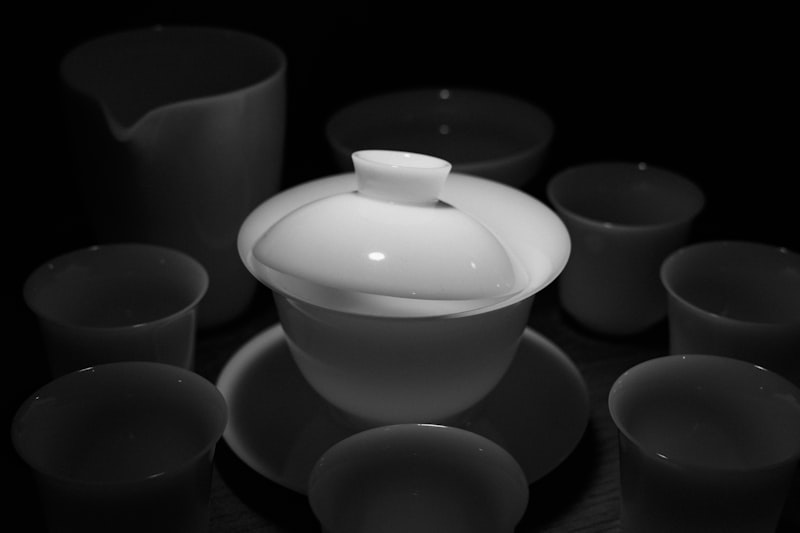
Shou Mei
White tea
About this tea
Shou Mei is a fuller-bodied Chinese white tea from Fujian Province, pressed and dried from the later-harvest leaves and a scattering of buds left after the more delicate spring pickings. Its name translates as 'longevity eyebrow,' a nod to the curved, eyebrow-like shape of its withered leaves. Bolder and darker than Bai Mu Dan, Shou Mei brews to a deep amber liquor with notes of ripe fruit, honey, and gentle wood. Because it is minimally processed — simply withered and dried — Shou Mei ages exceptionally well, mellowing over years into the prized category known as 'aged white tea,' or lao bai cha. Its low caffeine and soothing, honeyed character make it a favorite for unhurried afternoons and quiet evenings.
How to brew: 85°C, 3 min, 4 g per cup.
Caffeine
Low
How to brew
Flavor notes
honeyed, fruity, smooth, lightly sweet
Often associated with
Gentle relaxation, Comfort
Best time to enjoy
Afternoon, Mid-afternoon, Evening
Tags
Origin & Production
Shou Mei comes from the misty hills of northern Fujian, the historic heartland of Chinese white tea, with Fuding and Zhenghe counties recognized as its most celebrated origins. Unlike Silver Needle, which uses only plump buds, Shou Mei is made from the larger, later-harvested leaves and the buds left over after the prime spring flushes. These tougher, more mature leaves give the tea its characteristic fuller body, deeper color, and fruity, honeyed depth. The region's humid subtropical climate and gentle mountain mists are ideal for the slow, natural withering that defines white tea. Much of the harvest is destined to be pressed into cakes and aged, as Shou Mei is among the most age-worthy of all white teas.
Production process
Later-harvest plucking
Leaves are hand-plucked later in the season than for Silver Needle or Bai Mu Dan, gathering the larger, more mature leaves along with a scattering of buds. This timing gives Shou Mei its bolder, fruitier character.
Natural withering
The fresh leaves are spread on bamboo trays and left to wither slowly in shaded, well-ventilated rooms or under gentle sun. This long, gentle withering is the defining step of white tea, allowing moisture to leave and flavors to deepen without rolling or firing.
Gentle drying
Once withered, the leaves are dried at low temperature to lock in their character and bring moisture down to a stable level. The minimal handling preserves the leaf's natural sugars and aromatic compounds.
Sorting & grading
The dried tea is sorted to separate cleaner leaf grades from stem and broken material. Higher grades show more intact, eyebrow-shaped leaves with a visible touch of downy buds.
Optional pressing into cakes
Much Shou Mei is steamed lightly and pressed into compact cakes or bricks. Pressing makes the tea easy to store and encourages the slow transformation that turns young white tea into mellow aged white tea (lao bai cha).
Aging
Stored in dry, stable conditions, Shou Mei mellows over the years, deepening from bright and fruity toward warm notes of dried fruit, honey, and wood. Well-aged cakes are especially treasured by collectors.
History & Tradition
Shou Mei belongs to the centuries-old tradition of Fujian white tea, born from a desire to make the most of every flush of leaf — including the later, larger harvests. Over time it grew from an everyday white tea into a respected category prized for its aging potential.
White tea takes shape
The modern style of Fujian white tea, made by simple withering and drying, became established during the Qing Dynasty in the Fuding and Zhenghe areas, laying the groundwork for grades like Shou Mei.
Grades emerge
As white tea production matured, distinct grades developed by leaf and harvest. Shou Mei came to describe the fuller-bodied tea made from later, larger leaves, set apart from bud-only and bud-and-leaf styles.
Export trade grows
Fujian white teas, including Shou Mei, were exported through southern ports to Hong Kong and Southeast Asia, where they became popular as everyday teas served alongside meals.
Everyday favorite
Affordable and easy-drinking, Shou Mei became a staple white tea in southern China and overseas Chinese communities, often kept on hand for its gentle, soothing character.
Aging rediscovered
Interest in aged white tea (lao bai cha) grew, and Shou Mei's age-worthiness was celebrated anew. Pressing into cakes for long-term storage became increasingly common.
Global appreciation
With the worldwide rise of specialty tea, Shou Mei found new audiences who value its honeyed depth, low caffeine, and remarkable ability to transform with age.
Health Benefits
Gentle and minimally processed
Made only by withering and drying, Shou Mei retains much of the leaf's natural character. Its simple, unhurried processing makes it a soothing, easygoing tea for relaxed moments.
Naturally rich in antioxidants
Like other white teas, Shou Mei is traditionally appreciated as a source of the polyphenols and catechins that occur naturally in the tea plant, contributing to its reputation as a wholesome daily brew.
Low in caffeine
Shou Mei carries only a modest amount of caffeine, making it an easy choice for the afternoon or evening when you want flavor and comfort without a strong stimulating effect.
A comforting after-meal cup
Warm, honeyed, and smooth, Shou Mei is traditionally enjoyed after meals as a gentle, settling drink. Its mellow body makes it a natural companion to unwind with as the day winds down.
Calm, unwinding character
With its soft, fruity sweetness and low caffeine, Shou Mei lends itself to quiet, mindful sipping. Many enjoy it as part of a wind-down ritual in the late afternoon or evening.
Grades & Varieties
Loose-leaf Shou Mei
Open, eyebrow-shaped leaves in shades of green, brown, and tan with a scattering of downy buds. Fresh and fruity when young, it brews to a clear amber cup with honeyed sweetness and a gentle, full body.
Best for
- ✓Everyday relaxed drinking
- ✓Multiple gentle infusions
- ✓Afternoon and evening cups
Pressed cake Shou Mei
Shou Mei steamed and pressed into compact cakes or bricks for easy storage and aging. Pieces are broken off as needed. Pressing encourages slow mellowing and is the traditional path toward aged white tea.
Best for
- ✓Long-term storage
- ✓Building an aging collection
- ✓Gift-worthy presentation
Aged Shou Mei (lao bai cha)
Shou Mei matured over several years until it deepens into warm, mellow notes of dried fruit, dates, honey, and wood. Prized for its smooth, comforting character and treasured by white tea enthusiasts.
Best for
- ✓Slow evening sipping
- ✓Cozy cold-weather brewing
- ✓Collectors and connoisseurs
Did you know?
Shou Mei means 'longevity eyebrow,' named for the curved, eyebrow-like shape of its withered leaves. Made from later-harvest leaves, it ages exceptionally well into the prized 'aged white tea' known as lao bai cha.
Foods with this tea

What to Eat with Shou Mei White Tea
Shou Mei's honeyed, fruity body and gentle depth pair beautifully with dim sum, roasted nuts, stone fruit, and lightly sweet pastries.
Shou Mei Tea-Steamed Chicken with Scallions
Tender chicken gently steamed over a fragrant Shou Mei tea broth with ginger and scallions—a clean, honeyed dish that lets the white tea shine.
Shou Mei Honey Poached Pears
Pears gently poached in a fragrant Shou Mei and honey syrup—a light, elegant dessert where the white tea's fruity, honeyed notes shine.
Drinks with this tea

Shou Mei Honey and Jujube Wind-Down Brew
A warming, honeyed Shou Mei infusion with red jujube dates and a touch of ginger—a gentle, low-caffeine cup for unwinding in the evening.
Cold-Brew Shou Mei with Peach and Honey
Smooth cold-brewed Shou Mei infused with fresh peach and a touch of honey—a refreshing, naturally fruity iced tea with a soft, mellow body.
Shou Mei Honey Gin Fizz
A delicate, honeyed cocktail of Shou Mei-infused gin, lemon, and honey topped with soda—plus a non-alcoholic mocktail version anyone can enjoy.