
Kukicha
Green tea
4.5/5 · FindMeTea score
About this tea
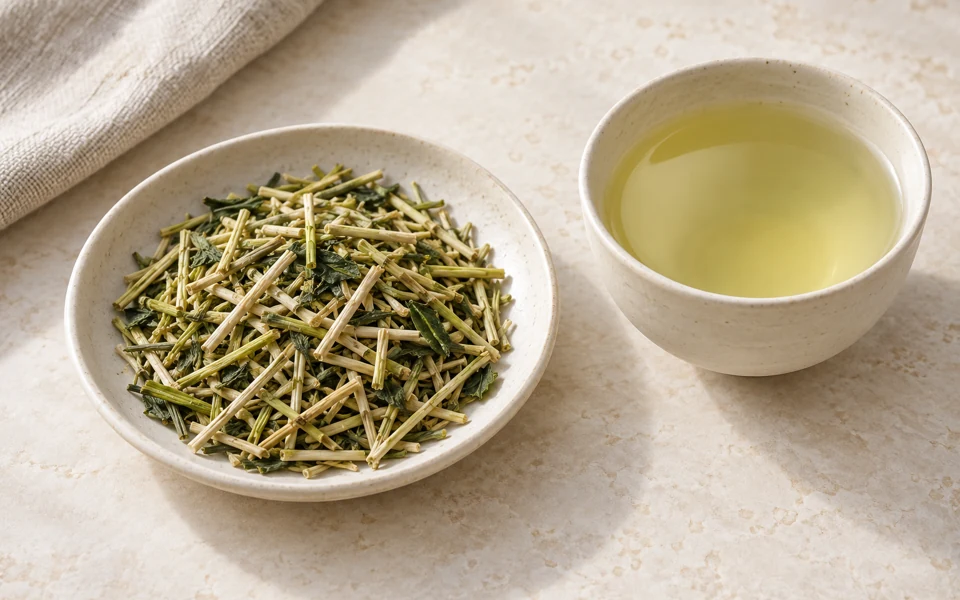
Kukicha (茎茶), also known as twig tea or bocha, is a uniquely Japanese green tea made not from leaves but from the stems, stalks, and twigs of the Camellia sinensis plant left over from sencha and gyokuro production. This humble origin gives kukicha its remarkably low caffeine content and a smooth, creamy, nutty character with a mild sweetness and almost no bitterness. Because it is so gentle, kukicha has long been the everyday tea served to children and the elderly across Japan, sipped freely throughout the day and especially after meals. Its soft straw-yellow liquor and gentle, grassy-sweet aroma make it one of the most approachable of all Japanese teas.
How to brew: 75°C, 2 min, 5 g per cup.
Caffeine
Low
How to brew
Flavor notes
nutty, creamy, smooth, toasted
Often associated with
Calm, Gentle relaxation
Best time to enjoy
Afternoon, Evening, After a meal
Tags
Where to find it in United States
 Where to find it in United States
Near Columbus
- Posh Teatime Co.Other Green tea
Columbus · Franklinton, West Broad Street
Jasmine Pearl Green Tea
from US$ 14.95· 4 oz
In storeOnline1273 W Broad Street, Columbus, OH 43222See the shop → - Sencha Tea BarThis tea
Minneapolis · Uptown (also Madison, WI)
Kukicha
from US$ 6.99· 1 oz
In storeOnline2601 Hennepin Ave S, Minneapolis, MN 55408See the shop → - Tea CozyThis tea
Sacramento · R Street Corridor, inside ARTHOUSE
Kukicha, organic
from US$ 8· 1 oz
In storeOnline1021 R Street, Sacramento, CA 95811See the shop → - This tea
Kukicha
from US$ 28· 4 oz
OnlineSee the shop → - Rishi TeaThis tea
Milwaukee headquarters; ships nationwide
Organic Kukicha
from US$ 19.50· 50 g
OnlineSee the shop →
Origin & Production
Kukicha comes from the same tea gardens that produce Japan's finest sencha and gyokuro, since it is made from the stems and twigs separated during the sorting of those leaf teas. The Uji region of Kyoto is especially prized for its shaded kukicha (karigane), made from the stalks of gyokuro and high-grade sencha. Shizuoka, Japan's largest tea-growing prefecture, and the southern gardens of Kagoshima also produce abundant kukicha. Because the twigs and stems store nutrients and sweetness for the plant, kukicha carries a distinctive creamy, mellow flavor that differs entirely from leaf-based green teas.
Production process
Plucking the leaf tea
The tea bushes are harvested for sencha or gyokuro, gathering whole shoots that include leaves, stems, and small twigs together.
Steaming
Like all Japanese green teas, the fresh shoots are steamed within hours of plucking to halt oxidation and lock in the green color and fresh aroma.
Separating stems from leaves
During processing and sorting, the stems, stalks, and twigs are mechanically separated from the rolled leaves that become sencha or gyokuro.
Sorting and grading the twigs
The collected stems are graded by size and origin. Stalks from shaded gyokuro and premium sencha are set aside as the finer karigane grade.
Light roasting (optional)
Some kukicha is gently roasted to develop a warmer, toastier flavor, while green (unroasted) kukicha keeps its fresh, grassy-sweet character.
Blending and packing
The finished twig tea is blended for consistency and packed, ready to brew at a gentle 70–80°C for a smooth, low-caffeine cup.
- Free
- Sundays
- 2 min
Drink better tea, one Sunday at a time.
A fact for the table·A shop worth the trip·A better cup·Ritual & kit of the week·Tea fun facts
History & Tradition
Kukicha was born from the Japanese spirit of mottainai — the reluctance to waste anything of value. What began as a thrifty use of leftover stems became a beloved everyday tea in its own right, cherished for being gentle enough for the whole family.
A tea of thrift
As sencha production spread across Japan during the Edo Period, the stems and twigs left from sorting were brewed by farming families rather than discarded, giving rise to everyday twig tea.
Karigane and Uji stalks
After gyokuro was developed in Uji in 1835, the prized stalks of gyokuro and high-grade sencha became known as karigane, sought after for their sweetness and refinement.
An everyday household tea
As Japanese tea became more widely traded, kukicha settled into homes as an affordable, gentle daily tea served to children and the elderly because of its low caffeine.
Macrobiotic discovery
Through the macrobiotic movement led by George Ohsawa, roasted kukicha was introduced to Western audiences as a low-caffeine daily beverage.
Global appreciation
Today kukicha is enjoyed worldwide by tea lovers seeking a smooth, nutty cup with minimal caffeine, suitable for evening drinking and sensitive palates alike.
What's in the cup
The cup, as our catalog lists it
Kukicha is level 1 on our caffeine scale, the lowest step for a tea that still comes from Camellia sinensis. The catalog brews it at 75 °C for 2 minutes with 5 g per cup, describes the flavor as nutty, creamy, mild and toasted, and places it in the afternoon, in the evening and after meals. Nothing on this page claims an effect on the body: what follows is composition, custom, and one regulator's numbers on caffeine.
Caffeine, as Europe's food safety authority set the benchmarks
The European Food Safety Authority's 2015 opinion on caffeine states that single doses up to 200 mg and habitual intakes up to 400 mg per day do not give rise to safety concerns for non-pregnant adults, that habitual intakes up to 200 mg per day do not give rise to safety concerns for the fetus in pregnant women, and that for children and adolescents the available information was insufficient to derive a safe intake, so the panel proposed the adult acute figure of 3 mg per kg of body weight per day as a basis. Our catalog does not measure milligrams per cup: it rates kukicha at level 1, and the stems and twigs it is made from carry less caffeine than the leaf, which is why Japanese households pour it for the whole family and late in the day.
Source: EFSA — Scientific Opinion on the safety of caffeine (2015)
L-theanine, as a component
Like every tea from Camellia sinensis, kukicha contains the amino acid L-theanine, part of what tasters describe as its savory, broth-like sweetness. This page lists it as a component of the cup and nothing more: we do not attribute any effect to it, and the gentle character people describe in kukicha is explained well enough by its taste and by the catalog's level-1 caffeine.
Catechins, as a component
As a green tea, kukicha also contains catechins, the polyphenols that give green tea its astringency. We list them as composition, not as a benefit: no effect in the body is claimed here, and the catalog describes the cup by what it tastes like, with almost no bitterness.
After meals, by custom
Our catalog places kukicha after meals, and so does the Japanese table, where twig tea is the everyday pour at the end of a family dinner, poured over rice as ochazuke, or served to children and grandparents alike. The reason is practical rather than medicinal: it is inexpensive, it is gentle at 75 °C, and it carries little caffeine for a cup taken at night.
This isn't medical advice. If you have a specific condition, or you are pregnant or taking medication, check with a healthcare provider.
- Free
- Sundays
- 2 min
Drink better tea, one Sunday at a time.
A fact for the table·A shop worth the trip·A better cup·Ritual & kit of the week·Brew better
Grades & Varieties
Karigane (premium twig)
The finest kukicha, made from the stalks of shaded gyokuro and top-grade sencha. Exceptionally sweet, creamy, and full of umami, with a refined, mellow character.
Best for
- ✓Savoring a delicate umami cup
- ✓Evening wind-down
- ✓Tea lovers new to twig tea
Green kukicha (unroasted)
The classic everyday twig tea with a fresh, grassy-sweet, lightly nutty flavor and pale straw liquor. Smooth, gentle, and very low in caffeine.
Best for
- ✓Daily all-day sipping
- ✓Drinking with the whole family
- ✓After-meal refreshment
Roasted kukicha (kuki-hojicha)
Twig tea gently roasted to a warm amber, with toasty, nutty, almost caramel notes and even lower caffeine. The usual choice for the last cup of the day.
Best for
- ✓Bedtime and late-evening cups
- ✓Warming winter drinking
- ✓A caffeine-light comfort tea
Did you know?
Kukicha is made from the stems and twigs left over from sencha and gyokuro, which is why it is so low in caffeine that it is traditionally served to children in Japan.
Foods with this tea
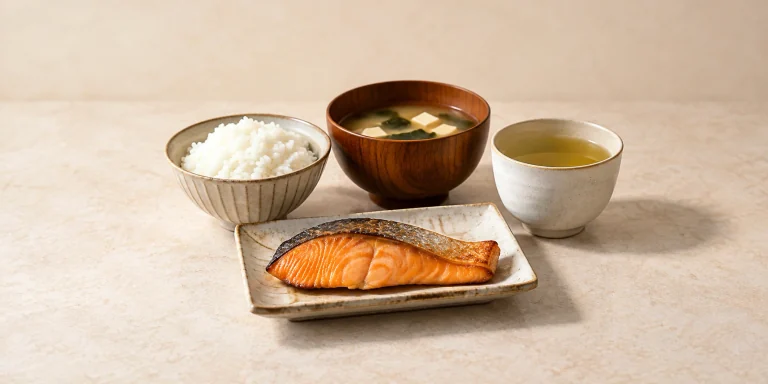
What to Eat with Kukicha Twig Tea
Kukicha's smooth, nutty, low-caffeine character makes it a gentle partner for delicate Japanese dishes, steamed rice, mild cheeses, and lightly sweet treats.
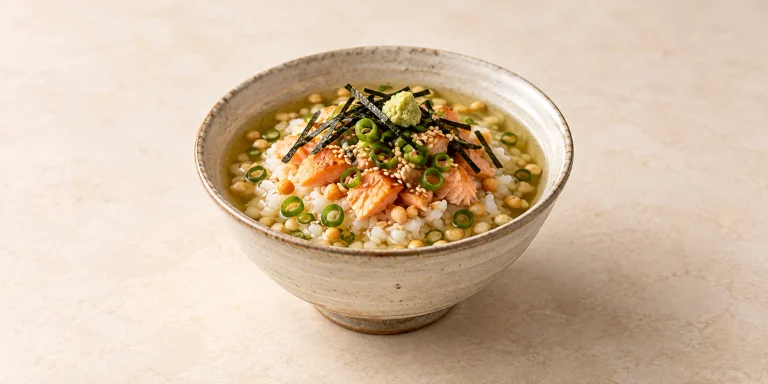
Kukicha Twig Tea Ochazuke with Salmon
A simple bowl of steamed rice topped with flaked salmon and seasonings, finished by pouring hot, nutty kukicha tea over the top—Japanese comfort food at its gentlest.
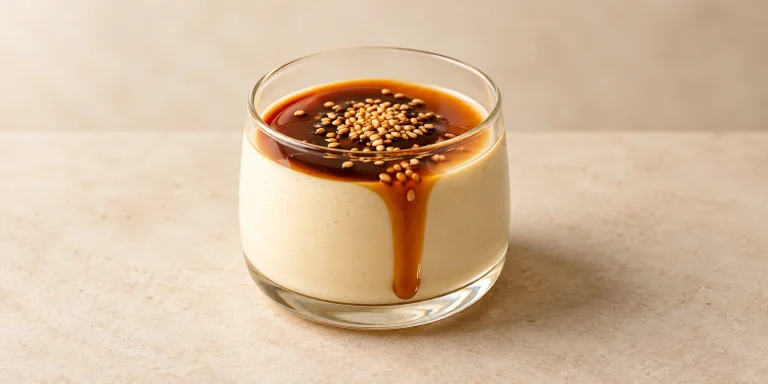
Kukicha and Brown Sugar Panna Cotta
A silky, lightly set panna cotta infused with nutty kukicha twig tea and finished with a kurozato brown sugar syrup—gentle, creamy, and just sweet enough.
- Free
- Sundays
- 2 min
Drink better tea, one Sunday at a time.
A fact for the table·A shop worth the trip·A better cup·Ritual & kit of the week·Tea recipes & drinks
Drinks with this tea

Kukicha Latte with Oat Milk, Honey and Cinnamon
Kukicha steeped at 75°C with frothed oat milk, honey and a pinch of cinnamon—a warm, creamy twig-tea latte, nutty and low in caffeine.

Cold-Brew Kukicha with Yuzu and Honey
Smooth cold-brewed twig tea brightened with fragrant yuzu citrus and a touch of honey—a clean, low-caffeine refresher for warm afternoons.
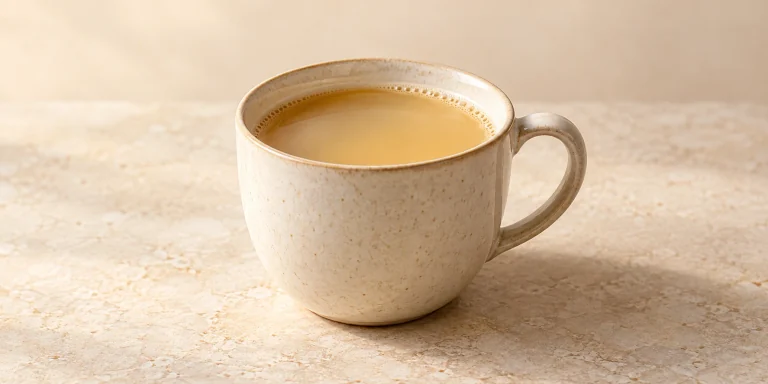
Bedtime Kukicha Mocktail with Chamomile and Honey
A warm, alcohol-free mocktail of kukicha twig tea and chamomile with honey, vanilla and a squeeze of lemon—soft, sweet and low in caffeine.