
Barley Tea
Herbal infusion
4.3/5 · FindMeTea score
About this tea
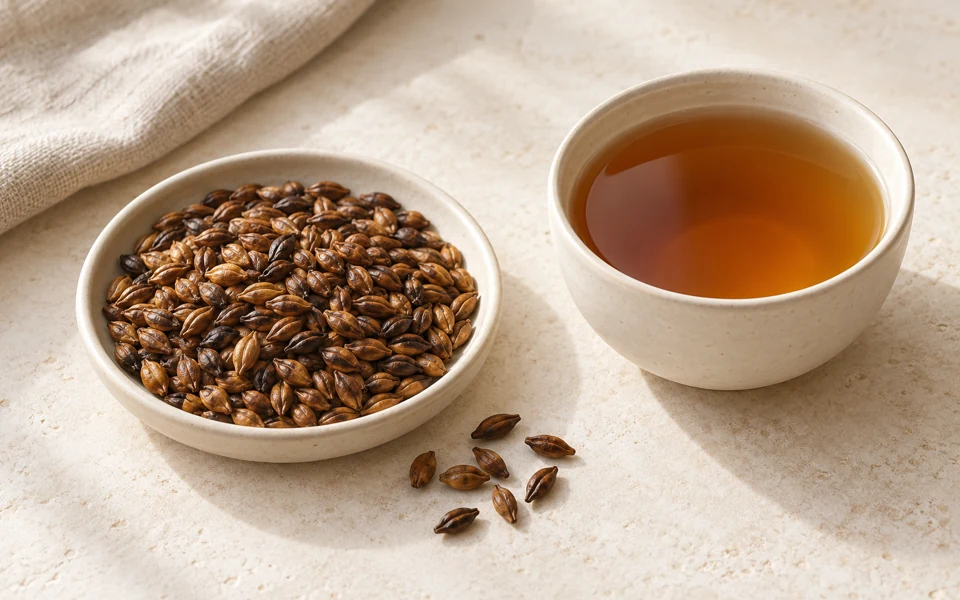
Barley tea is a roasted-grain infusion — not a true tea — made by steeping or boiling kernels of roasted barley in water. Known as mugicha in Japan, boricha in Korea, and damai cha in China, it is a caffeine-free everyday staple enjoyed steaming hot in winter and ice-cold by the pitcher in summer. The roasting gives it a warm, nutty, toasty character with gentle malt sweetness and a clean, slightly bitter finish. Beloved for being soothing on the stomach and endlessly refreshing, barley tea is one of the most widely consumed household beverages across East Asia.
How to brew: 100°C, 5 min, 8 g per cup.
Caffeine
None
How to brew
Flavor notes
toasted, nutty, warming, smooth
Often associated with
Digestive comfort, Sense of well-being
Best time to enjoy
After a meal, Any time, Afternoon
Tags
Where to find it in United States
 Where to find it in United States
Near Columbus
- North Market SpicesOther Herbal infusion
Columbus · North Market, downtown
Spearmint, Crushed Leaves
from US$ 3.85· 1 oz
In storeOnline59 Spruce Street, Columbus, OH 43215See the shop → - Posh Teatime Co.Other Herbal infusion
Columbus · Franklinton, West Broad Street
Farmer's Market Fruit Blend
from US$ 16.95· 4 oz
In storeOnline1273 W Broad Street, Columbus, OH 43222See the shop → - This tea
99 Ranch Market
San Jose · Hostetter Road, North San Jose
Tradition Barley Tea
US$ 4.99· 1.98 oz
In storeOnline1688 Hostetter Road, San Jose, CA 95131Website: 99ranch.com
- Sencha Tea BarOther Herbal infusion
Minneapolis · Uptown (also Madison, WI)
Rose Hips
from US$ 3.99· 2 oz
In storeOnline2601 Hennepin Ave S, Minneapolis, MN 55408See the shop → - Old City CoffeeOther Herbal infusion
Philadelphia · Old City · Reading Terminal Market
Hibiscus
US$ 11· 4 oz
In storeOnline221 Church St, Philadelphia, PA 19106See the shop →
Origin & Production
Barley tea originates in the grain-growing regions of East Asia, where barley has been a staple cereal for millennia. In Japan it is the quintessential summer drink, brewed by the pitcher in nearly every home. Korea adopted boricha as an everyday substitute for plain water, often served at the table in restaurants. China brews damai cha as a digestive and cooling drink. The barley itself is grown in temperate farmland — much of Japan's mugicha barley comes from regions like Tochigi and Kyushu — and the finished product is sold as whole roasted kernels, ground granules, or convenient brewing bags.
Production process
Harvesting & cleaning
Mature barley kernels are harvested, threshed, and cleaned. Both hulled and unhulled barley are used; the grain is sorted to remove chaff and debris before roasting.
Roasting
The defining step: kernels are dry-roasted at high heat until deep brown and aromatic. Roasting develops the toasty, nutty, malty flavor and the rich amber color, while driving off any raw grain taste.
Cooling & grading
Roasted kernels are cooled quickly to lock in aroma. They are graded by roast level — lighter roasts give a softer, sweeter cup, darker roasts a bolder, more bitter brew.
Packaging
The product is packed as whole roasted kernels for boiling, as coarse granules, or sealed into single-serve brewing bags. Airtight packaging protects the volatile roasted aroma from going stale.
- Free
- Sundays
- 2 min
Drink better tea, one Sunday at a time.
A fact for the table·A shop worth the trip·A better cup·Ritual & kit of the week·Tea fun facts
History & Tradition
Barley tea has been part of East Asian daily life for centuries, evolving from a court and warrior-class refreshment into the universal household drink it is today.
Early Japanese roots
Roasted barley infusions are recorded in Japan as early as the Heian period (794–1185), when the drink was enjoyed by the aristocracy as a warming, caffeine-free beverage.
Samurai refreshment
By the warring-states Sengoku era, mugicha was a popular drink among samurai and common people alike, valued for being inexpensive, hydrating, and free of caffeine's stimulation.
Teahouse popularity
During the Edo period (1603–1868), mugicha-jaya (barley tea stalls) appeared in cities, selling cups of the roasted brew to travelers and townsfolk as a cooling summer refreshment.
Home refrigeration
The spread of home refrigerators in the 20th century turned iced barley tea into the defining drink of the Japanese and Korean summer, brewed by the pitcher and kept cold in the fridge.
Bottled & convenient
Ready-to-drink bottled mugicha and boricha and single-serve brewing bags became supermarket staples, cementing barley tea as an everyday substitute for plain water across East Asia.
What's in the cup
Caffeine-free hydration
Barley tea contains no caffeine, making it a gentle all-day drink suitable for children, evenings, and anyone avoiding stimulants. It is widely used as a flavorful alternative to plain water.
Soothing for digestion
Traditionally sipped after meals, the warm roasted infusion is regarded across East Asia as comforting and easy on the stomach, a familiar part of everyday digestive routines.
Naturally antioxidant
Roasted barley contributes plant compounds and the browned-grain antioxidants formed during roasting, adding to its appeal as a wholesome everyday beverage.
Cooling refreshment
Served ice-cold, barley tea is the traditional summer cooler in Japan and Korea — endlessly drinkable, lightly sweet, and refreshing without the sugar load of soft drinks.
Calming ritual
Its caffeine-free, mellow profile makes barley tea a fitting drink for unwinding in the evening or sharing at the family table without disturbing sleep.
- Free
- Sundays
- 2 min
Drink better tea, one Sunday at a time.
A fact for the table·A shop worth the trip·A better cup·Ritual & kit of the week·Brew better
Grades & Varieties
Whole roasted kernels
Intact roasted barley grains boiled or steeped to make the most traditional, full-flavored brew. Boiling kernels yields the deepest, nuttiest cup and is the classic Japanese and Korean home method.
Best for
- ✓Boiling a large pitcher
- ✓Deepest roasted flavor
- ✓Traditional home brewing
Brewing bags
Roasted barley sealed into single-serve bags for quick cold-brew or hot steeping. The convenient modern format — drop a bag in a pitcher of cold water in the fridge and the tea is ready by morning.
Best for
- ✓Cold-brew in the fridge
- ✓Quick everyday brewing
- ✓Mess-free preparation
Bottled ready-to-drink
Pre-brewed mugicha and boricha sold chilled in bottles at convenience stores across East Asia. Lighter and more uniform than home-brewed, it is the grab-and-go format for hot days.
Best for
- ✓On-the-go hydration
- ✓Consistent mild flavor
- ✓Convenience-store refreshment
Did you know?
Roasted barley tea — mugicha in Japan, boricha in Korea, damai cha in China — is a caffeine-free everyday staple, brewed by the pitcher and served ice-cold all summer across East Asia.
Foods with this tea
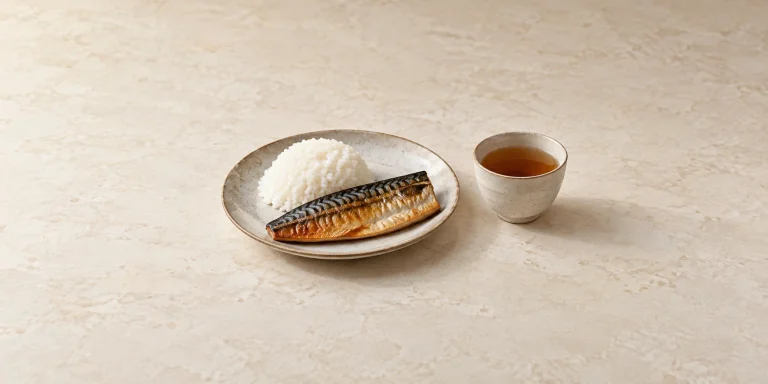
What to Eat with Barley Tea
Barley tea's toasty, nutty, caffeine-free profile is a natural table companion to East Asian everyday food—rice bowls, grilled fish, and savory dumplings.
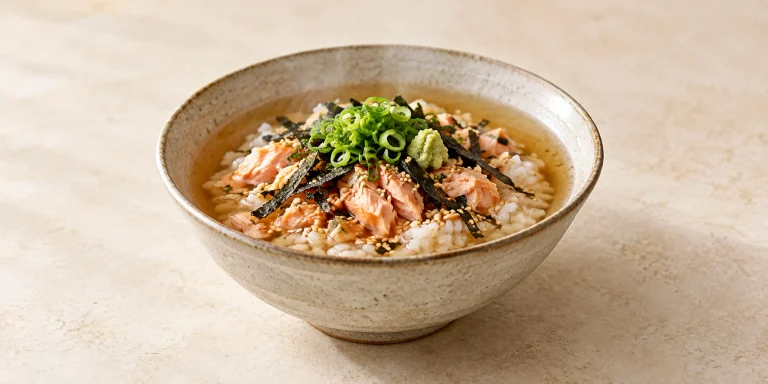
Barley Tea Brothy Rice Bowl with Salmon
A comforting ochazuke-style rice bowl where hot barley tea is poured over rice, flaked salmon, and toppings for a quick, caffeine-free supper.
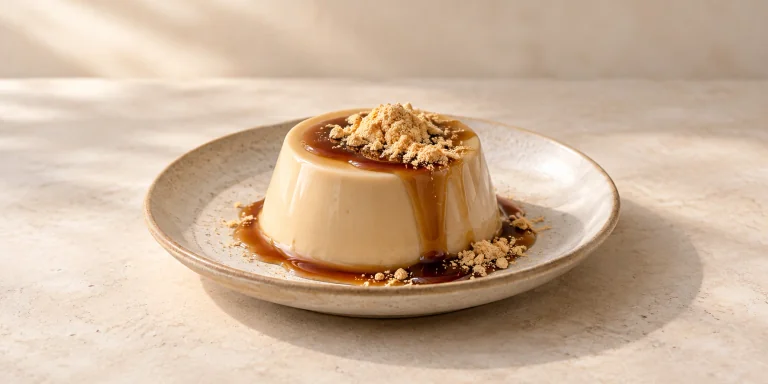
Roasted Barley Tea Panna Cotta
A silky, wobbling panna cotta infused with roasted barley tea—its toasty, malty notes give a caffeine-free dessert all the cozy depth of a coffee custard.
- Free
- Sundays
- 2 min
Drink better tea, one Sunday at a time.
A fact for the table·A shop worth the trip·A better cup·Ritual & kit of the week·Tea recipes & drinks
Drinks with this tea

Warm Barley Tea with Toasted Rice and Ginger
A caffeine-free cup blending roasted barley with toasted rice and a slice of ginger—nutty, lightly sweet and warming on a cool evening.

Iced Barley Tea with Lemon and Honey
The classic East Asian summer cooler—cold-brewed roasted barley over ice, brightened with lemon and a little honey for the most refreshing caffeine-free thirst-quencher.

Toasted Barley Highball (with Mocktail Version)
A grown-up toasted-barley highball with whisky and soda—plus a fully caffeine-free mocktail version with barley tea, citrus, and soda for everyone at the table.