
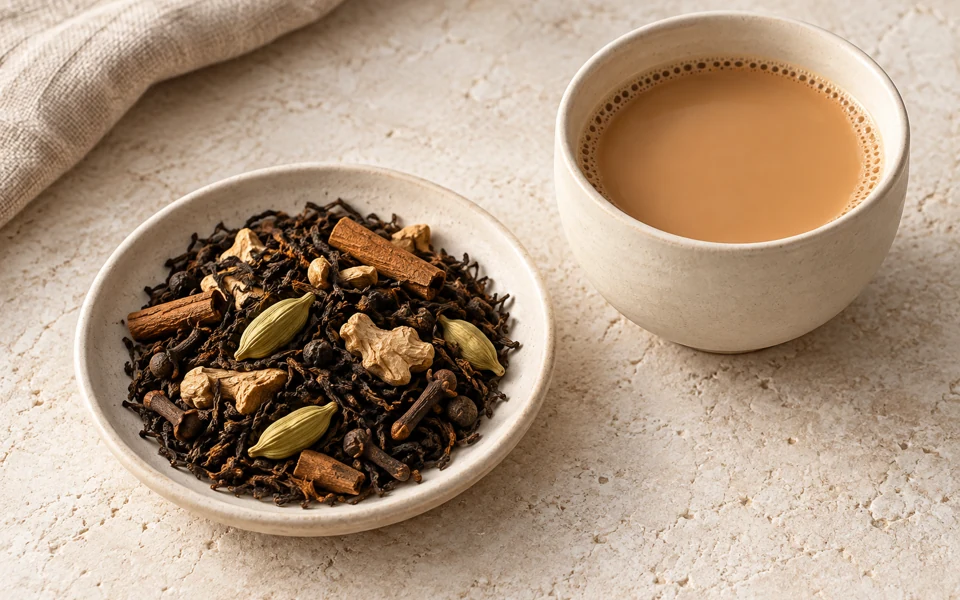
Masala Chai
Chai
4.8/5 · FindMeTea score
About this tea
Masala chai is India's iconic spiced tea, a robust blend of strong black tea — typically CTC Assam — simmered with whole spices such as cardamom, cinnamon, ginger, cloves, and black pepper in sweetened milk. Originating from the Indian subcontinent, this aromatic brew is deeply woven into daily life, from bustling railway platforms to family kitchens. With over a billion cups consumed daily across India, masala chai is far more than a beverage — it is a ritual of warmth, hospitality, and cultural identity.
How to brew: 95°C, 5 min, 3 g per cup.
Caffeine
High
How to brew
Flavor notes
spiced, sweet, warming
Often associated with
Energy, Comfort, Warmth
Best time to enjoy
Morning, Mid-morning, Early afternoon
Tags
Where to find it in United States
 Where to find it in United States
Near Columbus
- North Market SpicesOther Chai
Columbus · North Market, downtown
Chai Powder
from US$ 9· 1.5 oz
In storeOnline59 Spruce Street, Columbus, OH 43215See the shop → - Summit Spice & Tea CompanyThis tea
Anchorage · Midtown (Denali Street)
Masala Chai (bulk, per oz)
from US$ 2.95· 1 oz
In storeOnline3030 Denali St #2, Anchorage, AK 99503See the shop → - Chado Tea RoomThis tea
Los Angeles · Downtown (Little Tokyo) and Hollywood; also Pasadena, Torrance
Reena's Masala Chai
US$ 14· 4 oz
In storeOnline369 East 1st StreetSee the shop → - Harney & SonsThis tea
New York · SoHo (ships nationwide)
Heartland Masala Chai (loose, 4 oz tin)
US$ 15· 4 oz
In storeOnline433 Broome StreetSee the shop → - Emma's Tea SpotThis tea
Baltimore · Hamilton (Harford Road)
Rishi Masala Chai (loose tea, by the ounce)
from US$ 3.95· 1 oz
In storeOnline4337 Harford Road, Baltimore, MD 21214See the shop →
Origin & Production
Masala chai draws its tea base primarily from the Assam region of northeastern India, where CTC (Crush, Tear, Curl) black tea produces a bold, malty infusion strong enough to stand up to milk and spices. The spice blend varies by region: Kashmiri versions favor saffron and almonds, Gujarati preparations emphasize ginger and black pepper, while South Indian chai often includes star anise. The tradition of chai wallahs — street vendors who brew fresh chai in giant kettles — remains a defining feature of Indian urban life.
Production process
CTC tea production
Assam tea leaves are withered, then processed through the Crush, Tear, Curl method, producing small, uniform granules that brew quickly and yield a strong, dark liquor ideal for milk-based preparations.
Spice selection & toasting
Whole spices — green cardamom pods, cinnamon sticks, fresh ginger root, cloves, and black peppercorns — are lightly crushed or toasted to release their essential oils before brewing.
Simmering in milk & water
Tea and spices are added to a mixture of water and whole milk (typically 1:1 ratio), then brought to a rolling boil and simmered for 3–5 minutes to extract maximum flavor and create a creamy, spiced infusion.
Sweetening & straining
Sugar (or jaggery in traditional preparations) is added while hot, and the chai is strained through a fine mesh sieve into cups, often poured from a height to create a frothy top layer.
- Free
- Sundays
- 2 min
Drink better tea, one Sunday at a time.
A fact for the table·A shop worth the trip·A better cup·Ritual & kit of the week·Tea fun facts
History & Tradition
Masala chai's journey from ancient Ayurvedic spiced preparations to India's national drink is a story shaped by colonial trade, railway expansion, and grassroots entrepreneurship.
Ayurvedic spice tonics
Millennia-old Indian Ayurvedic texts (Ayurveda dates back some 3,000 years) describe spiced beverages made from cardamom, ginger, and black pepper brewed in hot water or milk — precursors to modern masala chai, though without tea leaves.
British tea plantations in Assam
The British East India Company established commercial tea plantations in Assam after discovering native Camellia sinensis var. assamica. Tea was initially promoted for export to Britain, not for Indian consumption.
Indian Tea Association campaigns
The Indian Tea Association, backed by British interests, campaigned to increase domestic tea consumption. They encouraged factory and railway workers to take tea breaks, but Indians adapted the drink by adding spices, sugar, and milk.
CTC revolution & chai wallahs
The spread of affordable CTC tea made chai accessible to the masses. Chai wallahs became fixtures at railway stations, bus stops, and street corners across India, each developing their own signature spice blends.
Global chai phenomenon
Masala chai went global through coffeehouse "chai latte" adaptations, bottled chai concentrates, and a growing appreciation for authentic Indian preparation methods. India remains the world's largest tea consumer.
What's in the cup
A strong black-tea base
The CTC Assam under the spices puts masala chai at level 3 of our 0–3 caffeine scale, the top rung of the ladder. Our catalogue brews it at 3 g per cup, 95 °C, about 5 minutes — and the stovetop method simmers it with milk, which is why the cup tastes so much bolder than a plain black tea.
Where the heat comes from
Each spice brings its own aroma compound to the pot: gingerols in fresh ginger (shogaols once it is dried or cooked), piperine in black pepper, cinnamaldehyde in cinnamon, eugenol in cloves and cineole in green cardamom. Simmering — not steeping — is what pulls them out of bark, pods and root.
Milk is part of the recipe
Whole milk's fat and protein bind the tannins of a CTC tea that would be harsh on its own, which is why chai can take a 3–5 minute rolling simmer that would ruin a delicate leaf. Jaggery or sugar goes in while the pot is hot so it dissolves fully.
A cup with a moment
In India chai is poured at railway platforms at dawn, mid-morning at the office, after lunch and again at four. Its everyday role is the tea break itself — small glasses, very sweet, shared — rather than any one time of day.
- Free
- Sundays
- 2 min
Drink better tea, one Sunday at a time.
A fact for the table·A shop worth the trip·A better cup·Ritual & kit of the week·Brew better
Grades & Varieties
Traditional Masala Chai
Strong CTC Assam tea simmered with whole spices (cardamom, cinnamon, ginger, cloves, black pepper) in a milk-water blend. Produces a rich, creamy, warmly spiced cup with a deep amber-brown color.
Best for
- ✓Morning energy boost
- ✓Cold weather warming
- ✓After meals
Kashmiri Kahwa Chai
A lighter, more delicate Kashmiri variation using green tea instead of black, flavored with saffron, almonds, cardamom, and cinnamon. Produces a golden cup with a fragrant, nutty character.
Best for
- ✓Lighter afternoon drink
- ✓Special occasions
- ✓Those sensitive to strong black tea
Cutting Chai (Tapri Style)
Mumbai's signature half-cup chai — intensely brewed, very sweet, served in small glasses at street-side tapris (tea stalls). Uses extra CTC tea and ginger for a powerful, concentrated hit of flavor.
Best for
- ✓Quick energy break
- ✓Social ritual
- ✓Bold flavor lovers
Did you know?
Saying "chai tea" is saying "tea tea"—chai already means tea; street "chai wallahs" in India added milk, sugar, and spices to create the masala chai we know.
Foods with this tea
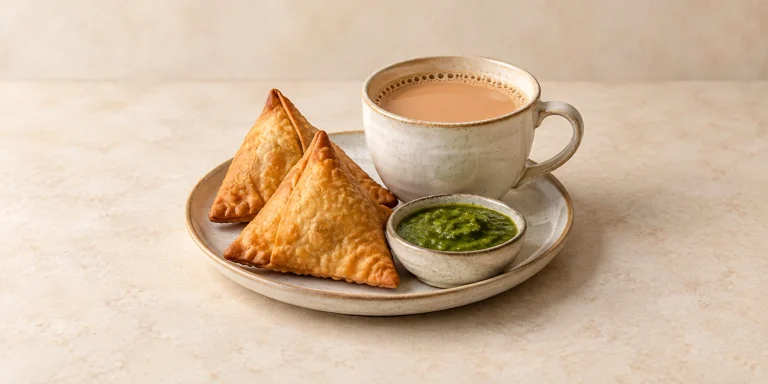
What to Eat with Chai Masala
Chai masala's bold spices—cinnamon, cardamom, ginger, cloves, and black pepper—demand equally bold pairings, from buttery pastries to savory Indian snacks.
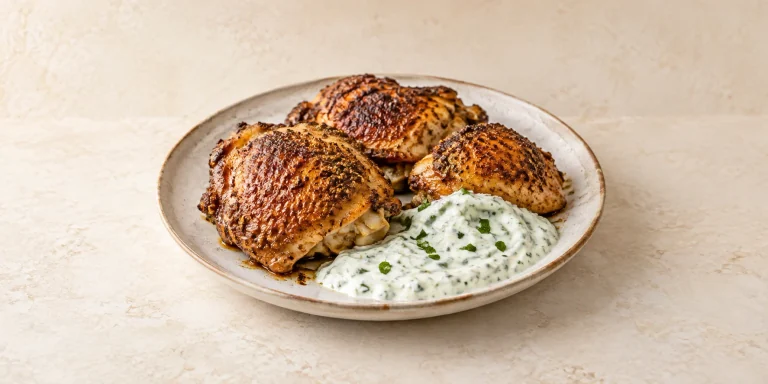
Chai Masala Spiced Chicken with Yogurt Sauce
Chicken thighs marinated in chai masala spices and roasted until caramelized, served with a cool minty yogurt sauce.
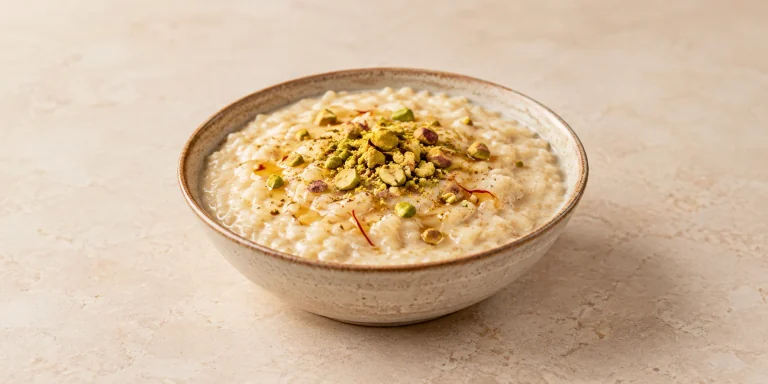
Chai Masala Spiced Rice Pudding
Creamy rice pudding infused with chai masala spices—cardamom, cinnamon, and ginger—topped with pistachios and a drizzle of honey.
- Free
- Sundays
- 2 min
Drink better tea, one Sunday at a time.
A fact for the table·A shop worth the trip·A better cup·Ritual & kit of the week·Tea recipes & drinks
Drinks with this tea
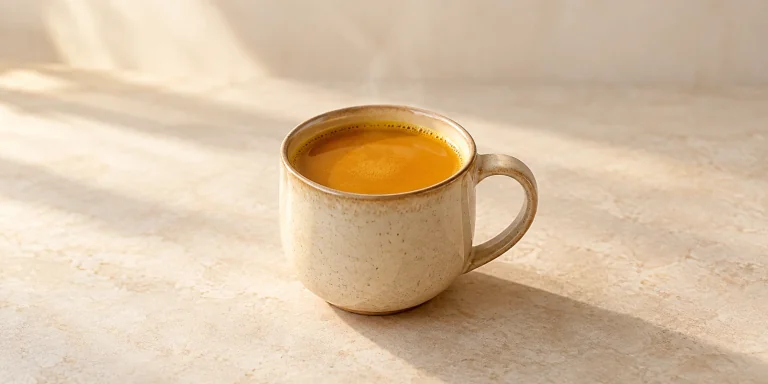
Chai Masala with Turmeric, Honey and Lemon
A chai masala concentrate simmered ten minutes with whole spices, then steeped with turmeric and finished off the heat with raw honey and a squeeze of lemon—golden, peppery and warming.
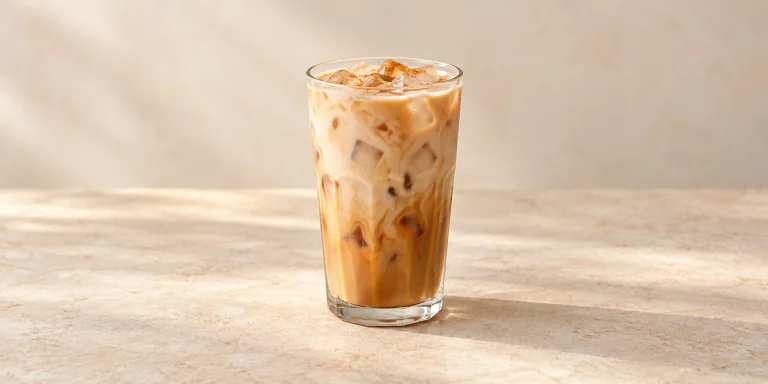
Iced Chai Masala Latte
A spiced chai concentrate poured over ice and topped with cold milk—bold, creamy, and impossibly refreshing on a hot day.

Chai Masala Old Fashioned
Bourbon infused with chai masala spices, stirred with honey syrup and bitters—a warm, aromatic twist on the classic Old Fashioned.