
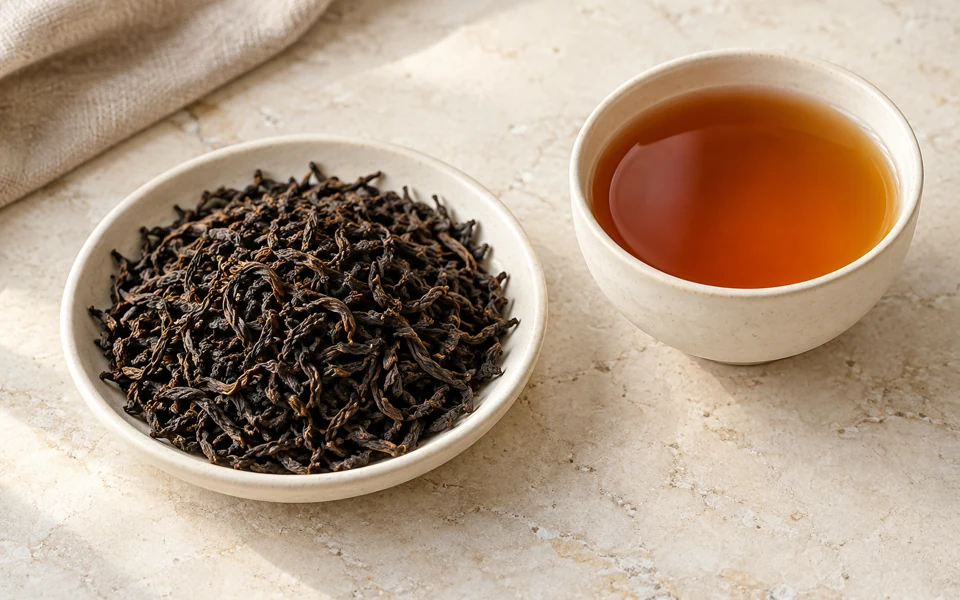
Ceylon Dimbula
Black tea
4.4/5 · FindMeTea score
About this tea
Dimbula Ceylon is the archetypal 'breakfast Ceylon' — a single-region, high-grown black tea from the western slopes of Sri Lanka's central highlands. Unlike a generic Ceylon blend sourced from multiple districts, Dimbula tea carries the distinct fingerprint of its own micro-climate: the cool, mist-fed mornings and the dry monsoon winds that sweep the region from January to March sharpen the leaf into something bright, brisk, and unmistakably citrusy. Where lowland Ceylons lean malty and heavy, Dimbula stays light on its feet — clean, mellow-bodied, with a crisp orange-peel edge that snaps awake on the first sip. It is the tea most Sri Lankan tea tasters reach for when they want to show what 'classic Ceylon' actually tastes like at its best, in season.
How to brew: 95°C, 3.5 min, 3 g per cup.
Caffeine
High
How to brew
Flavor notes
citrusy, smooth, full-bodied, aromatic
Often associated with
Wake-up, Focus
Best time to enjoy
Morning, Mid-morning
Tags
Where to find it in United States
 Where to find it in United States
Near Columbus
- North Market SpicesOther Black tea
Columbus · North Market, downtown
Lapsang Souchong
from US$ 11· 2 oz
In storeOnline59 Spruce Street, Columbus, OH 43215See the shop → - Posh Teatime Co.Other Black tea
Columbus · Franklinton, West Broad Street
English Breakfast Tea Sachets
from US$ 9.95· 10 sachets
In storeOnline1273 W Broad Street, Columbus, OH 43222See the shop → - MarketSpiceOther Black tea
Seattle · Pike Place Market
Earl Grey Tea
from US$ 5.88· 4 oz
In storeOnline85 Pike St, Seattle, WA 98101See the shop → - Old City CoffeeOther Black tea
Philadelphia · Old City · Reading Terminal Market
Decaf Ceylon
US$ 10· 5.25 oz
In storeOnline221 Church St, Philadelphia, PA 19106See the shop → - Chado Tea RoomOther Black tea
Los Angeles · Downtown (Little Tokyo) and Hollywood; also Pasadena, Torrance
English Breakfast
US$ 9.88· 4 oz
In storeOnline369 East 1st StreetSee the shop →
Origin & Production
Dimbula sits on the western and southwestern face of Sri Lanka's central massif, roughly between 1,100 and 1,600 meters above sea level, threading through estate towns like Hatton, Talawakelle, and Bogawantalawa. Its position exposes it directly to the southwest monsoon, which brings heavy rain from May to September — but it is the dry, sunny period from January through March, when the monsoon retreats and cool nights give way to bright mornings, that produces the district's prized 'quality season' flush. Bushes here grow on steep, terraced hillsides wrapped in mist most mornings, slowing leaf growth and concentrating aromatic compounds. The result is a leaf style historically associated with the original 19th-century estates that defined commercial Ceylon tea, distinct from the lighter, more floral teas of higher Nuwara Eliya or the drier, fruitier teas of Uva on the opposite side of the mountains.
Production process
Plucking
Skilled pluckers hand-pick two leaves and a bud from terraced bushes on steep estate slopes, working through cool morning mist that keeps the leaf supple before the day heats up.
Withering
Leaf is spread on long withering troughs for 14–18 hours with gently warmed air drawn from the cool highland atmosphere, reducing moisture and softening the leaf for rolling.
Orthodox rolling
Withered leaf is rolled in orthodox rolling tables that twist the leaf and rupture cell walls, releasing the juices and enzymes that begin oxidation and shape Dimbula's brisk character.
Oxidation
Rolled leaf rests in cool, humid oxidation rooms for roughly 1.5–3 hours. The highland chill slows oxidation just enough to preserve the bright, citrusy top notes that lowland Ceylons lack.
Firing
Hot-air dryers at around 90–95°C halt oxidation and lock in flavor, bringing moisture down to about 2–3% so the leaf can be stored and shipped without losing its character.
Grading & estate selection
Dried leaf is sifted into orthodox grades (OP, BOP, FBOP); the best quality-season lots from named Dimbula estates are sold separately at the Colombo tea auction, commanding a premium over blended-region Ceylon.
- Free
- Sundays
- 2 min
Drink better tea, one Sunday at a time.
A fact for the table·A shop worth the trip·A better cup·Ritual & kit of the week·Tea fun facts
History & Tradition
Dimbula is one of the oldest and most storied tea-growing districts in Sri Lanka, and its name has been synonymous with high-quality 'breakfast' Ceylon since the earliest days of the island's tea trade.
Coffee gives way to tea
Following the devastation of Ceylon's coffee plantations by coffee leaf rust, planters in the Dimbula valley — among the first districts to convert — replanted their hillsides with tea, taking advantage of the same elevation and rainfall that had favored coffee.
Dimbula becomes a named district
As Ceylon tea exports grew rapidly, Colombo auction buyers began distinguishing teas by growing district rather than selling everything as undifferentiated 'Ceylon'. Dimbula's bright, medium-bodied style earned it a reputation as a benchmark quality region alongside Uva and Nuwara Eliya.
Quality-season recognition
Tea tasters in London and Colombo formally recognized Dimbula's January–March dry-monsoon flush as the district's finest, prized for its brisk citrus character — a distinction still used by estates marketing 'quality season' Dimbula today.
Ceylon Tea Board founded
Sri Lanka established the Sri Lanka Tea Board — created under the Sri Lanka Tea Board Law No. 14 of 1975 and operational from 1 January 1976 — to regulate quality and promote exports; Dimbula was formally codified as one of the country's recognized tea-growing regions for labeling and auction purposes.
A breakfast-tea benchmark
Dimbula remains a core component of classic 'English Breakfast' style blends worldwide and is also sold as a prized single-region tea in its own right, especially quality-season lots harvested between January and March.
What's in the cup
Caffeine: level 3 of 3
Dimbula sits at level 3 on our caffeine scale, the same step as Uva and the generic Ceylon, one above Nuwara Eliya. The catalog brews it at 95 °C for 3½ minutes with 3 g per cup and lists it for the morning and mid-morning.
January to March, the quality season
The dry months after the southwest monsoon retreats, January through March, give the district its finest leaf: cool nights, bright mornings and the crisp orange-peel edge tasters call 'quality season' Dimbula. Leaf picked in the wet months is sound but rounder and less citrusy.
Theaflavins, read as color and body
Full oxidation converts the leaf's catechins into theaflavins and thearubigins, the compounds behind the coppery liquor and brisk body of a black tea. In a high-grown Dimbula that reads as a clean citrus edge rather than heavy tannin: less astringent than lowland or fannings-grade Ceylon, which is why it drinks well plain and alongside food.
The breakfast Ceylon, by custom
Broken BOP is the everyday morning cup, strong enough to take milk; whole-leaf OP goes without, where the citrus comes through. Either way it is a tea for the first half of the day in our catalog, not an evening one.
- Free
- Sundays
- 2 min
Drink better tea, one Sunday at a time.
A fact for the table·A shop worth the trip·A better cup·Ritual & kit of the week·Brew better
Grades & Varieties
OP (Orange Pekoe)
Long, wiry whole leaves that brew a lighter-bodied, highly aromatic cup, showcasing Dimbula's signature citrus brightness with minimal astringency. The grade favored for appreciating quality-season character on its own.
Best for
- ✓Drinking plain, no milk
- ✓Slow morning loose-leaf brewing
- ✓Tasting quality-season character
BOP (Broken Orange Pekoe)
Smaller broken-leaf particles that infuse quickly into a stronger, fuller cup while still carrying Dimbula's bright citrus edge. The most common commercial grade for everyday breakfast tea.
Best for
- ✓Morning tea with milk
- ✓Strong, quick everyday brew
- ✓English Breakfast-style blending base
FBOP (Flowery BOP)
A broken-leaf grade with a higher proportion of golden tips, giving a slightly sweeter, more fragrant cup than standard BOP while still brewing briskly. A step up in elegance without losing Dimbula's everyday drinkability.
Best for
- ✓Gifting and special-occasion brewing
- ✓Afternoon cup with a light snack
- ✓Those new to single-region Ceylon
Did you know?
Dimbula's prized January–March 'quality season' flush was formally recognized by London and Colombo tea tasters back in the 1920s, and estates still market that dry-monsoon harvest under the same distinction today.
Foods with this tea
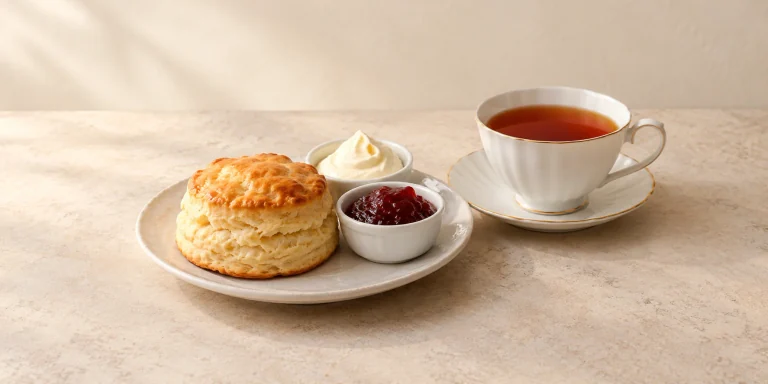
What to Eat with Dimbula Ceylon
Dimbula's bright, citrus-edged, mellow-bodied cup is the classic breakfast-tea pairing — eggs, toast, scones, and anything that wants a clean palate cleanser.
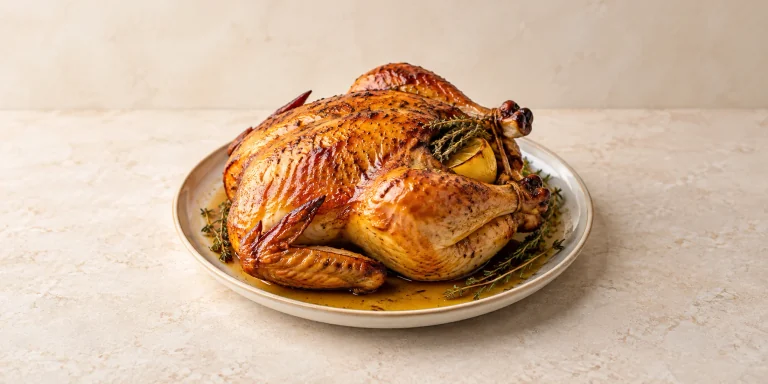
Dimbula Tea-Brined Roast Chicken with Citrus
A whole chicken brined in strong Dimbula Ceylon and orange zest, then roasted until golden — the tea's citrus brightness seasons the meat from the inside out.

Dimbula Tea and Orange Loaf Cake
A moist, citrus-bright loaf cake steeped with Dimbula Ceylon and orange zest, glazed with a tea-spiked icing — a teatime classic built around the tea's own flavor.
- Free
- Sundays
- 2 min
Drink better tea, one Sunday at a time.
A fact for the table·A shop worth the trip·A better cup·Ritual & kit of the week·Tea recipes & drinks
Drinks with this tea

Dimbula Ceylon with Orange and Ginger
Dimbula steeped three and a half minutes with fresh ginger, then finished with orange juice and honey: citrus-bright and brisk, the way this Ceylon already tastes.

Iced Dimbula Citrus Cooler
Cold-brewed Dimbula Ceylon over ice with orange and a splash of soda — a crisp, clean iced tea that plays directly to the leaf's natural brightness.

Dimbula Citrus Spiced Punch
A warm, spiced rum punch built on strong Dimbula Ceylon and fresh orange — with a full non-alcoholic mocktail version using spiced orange tea instead.