
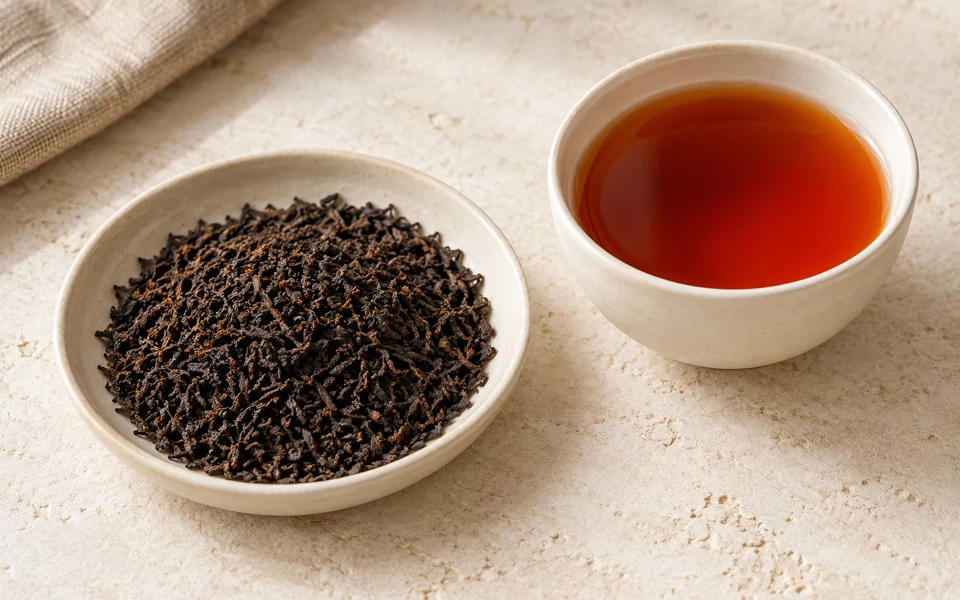
Rwandan Black
Black tea
4.4/5 · FindMeTea score
About this tea
Rwandan Black is the bright, full-bodied cup of the 'Land of a Thousand Hills' — grown on some of the highest, coolest tea slopes in East Africa, often above 1,800 meters in the volcanic foothills near Lake Kivu and the Nyungwe rainforest. Where neighboring Kenyan CTC is prized for sheer briskness, Rwanda's smaller, cooperative-driven gardens lean into a softer, rounder edge: still brisk and coppery in the cup, but with a gentler astringency and a faint honeyed sweetness that comes from slower leaf growth at altitude. Rebuilt almost from scratch after the 1994 genocide, Rwanda's tea sector is now one of the country's most important exports and a centerpiece of its agricultural recovery story.
How to brew: 95°C, 3.5 min, 3 g per cup.
Caffeine
High
How to brew
Flavor notes
honeyed, full-bodied, smooth, lightly sweet
Often associated with
Energy, Calm alertness
Best time to enjoy
Morning, Mid-afternoon
Tags
Where to find it in United States
 Where to find it in United States
Near Columbus
- North Market SpicesOther Black tea
Columbus · North Market, downtown
Lapsang Souchong
from US$ 11· 2 oz
In storeOnline59 Spruce Street, Columbus, OH 43215See the shop → - Posh Teatime Co.Other Black tea
Columbus · Franklinton, West Broad Street
English Breakfast Tea Sachets
from US$ 9.95· 10 sachets
In storeOnline1273 W Broad Street, Columbus, OH 43222See the shop → - MarketSpiceOther Black tea
Seattle · Pike Place Market
Earl Grey Tea
from US$ 5.88· 4 oz
In storeOnline85 Pike St, Seattle, WA 98101See the shop → - Old City CoffeeOther Black tea
Philadelphia · Old City · Reading Terminal Market
Decaf Ceylon
US$ 10· 5.25 oz
In storeOnline221 Church St, Philadelphia, PA 19106See the shop → - Chado Tea RoomOther Black tea
Los Angeles · Downtown (Little Tokyo) and Hollywood; also Pasadena, Torrance
English Breakfast
US$ 9.88· 4 oz
In storeOnline369 East 1st StreetSee the shop →
Origin & Production
Rwandan tea gardens sit at altitudes of 1,800–2,500 meters — among the highest in Africa — across volcanic, iron-rich soils in the country's western and southwestern highlands. The cool, misty climate around Lake Kivu and the Nyungwe rainforest slows the bushes' growth, concentrating sugars and aromatic compounds in each leaf. Unlike Kenya's vast estate model, Rwandan tea is grown largely by smallholder farmers organized into cooperatives, who sell green leaf to around a dozen factories scattered across the highlands — Gisovu, Pfunda, Mata, Nyabihu and Sorwathe among the best known. The National Agricultural Export Development Board (NAEB) oversees grading and quality, and tea remains one of Rwanda's top two export earners alongside coffee.
Production process
Smallholder plucking
Most leaf is hand-plucked by smallholder cooperative members — two leaves and a bud — and delivered fresh to nearby factories within hours to preserve quality before withering begins.
High-altitude withering
Leaf is spread in troughs in the cool highland air for 12–18 hours. The naturally lower temperatures at altitude slow withering, allowing more gradual moisture loss than in lowland CTC factories.
CTC and orthodox processing
The bulk of Rwandan output is processed via CTC (Crush, Tear, Curl) for fast-brewing granules destined for export blends, while a small but growing share of estates produce orthodox whole-leaf teas for the specialty market.
Cool-climate oxidation
Oxidation rooms benefit from the highland climate's natural coolness, which slows the reaction slightly compared to lower-altitude East African factories, helping preserve the leaf's softer, sweeter character.
Firing and grading
Tea is dried in fluid-bed dryers, then sorted into standard export grades. Most is sold through the Mombasa Tea Auction or direct contracts, with Rwanda also developing its own domestic Kigali tea auction infrastructure.
- Free
- Sundays
- 2 min
Drink better tea, one Sunday at a time.
A fact for the table·A shop worth the trip·A better cup·Ritual & kit of the week·Tea fun facts
History & Tradition
Rwandan tea is a young industry by world standards, planted under Belgian colonial administration in the mid-20th century, nearly destroyed by the 1994 genocide against the Tutsi, and rebuilt since as one of the clearest symbols of the country's agricultural and economic recovery.
First experimental plantings
Belgian colonial authorities established the first experimental tea gardens in Rwanda, testing Assamica cultivars at altitude as a potential cash crop for the densely populated territory.
Independence-era expansion
Following independence in 1962, the new Rwandan government expanded tea plantings as a strategic export crop alongside coffee, building state-run factories such as Mulindi and Shagasha.
Genocide devastates the sector
The genocide against the Tutsi killed an estimated 800,000 people and displaced millions, halting tea production almost entirely as factories were abandoned and rural infrastructure collapsed.
Privatization and rebuilding
The Rwandan government privatized many state-run tea factories and invested heavily in rehabilitating gardens, with companies like Sorwathe and Rwanda Mountain Tea helping rebuild quality and export capacity.
Cooperative model strengthens
Smallholder cooperatives became the backbone of the industry, with NAEB supporting farmer training and quality improvement programs that pushed Rwandan tea toward higher-value specialty markets.
Top-five African producer
Rwanda solidified its place among Africa's leading tea exporters alongside Kenya, Malawi and Uganda, with growing interest from specialty buyers drawn to its high-altitude, cooperative-grown leaf.
What's in the cup
Bright, sustained lift
Rwandan black tea typically delivers a solid 45–70 mg of caffeine per cup, offering a brisk but slightly gentler lift than punchier Kenyan CTC, well suited to a steady morning or early-afternoon cup.
Polyphenol-rich leaf
High-altitude growth slows leaf maturation, which is associated with higher concentrations of catechins and theaflavins — black tea polyphenols studied for their antioxidant activity.
Heart-healthy ritual
Like other black teas, regular moderate consumption of Rwandan tea is associated in observational research with favorable cardiovascular markers, traditionally attributed to its flavonoid content.
Calm alertness
The combination of caffeine and L-theanine naturally present in the leaf supports a smoother, more even-keeled alertness than coffee, without the sharp peak-and-crash some drinkers report.
Smallholder, low-input farming
Much of Rwanda's tea is grown on small cooperative plots with limited mechanization, often alongside other crops, supporting biodiverse rural landscapes compared to large monoculture estates.
- Free
- Sundays
- 2 min
Drink better tea, one Sunday at a time.
A fact for the table·A shop worth the trip·A better cup·Ritual & kit of the week·Brew better
Grades & Varieties
BP1 / PF1 (CTC export grades)
The standard CTC granules that make up most of Rwanda's exports — strong, coppery and fast-brewing, similar in style to Kenyan CTC but with a slightly softer, rounder finish from the cooler highland terroir.
Best for
- ✓Strong milk tea
- ✓Everyday breakfast cup
- ✓Blending base
Orthodox whole-leaf
A smaller, growing category from estates focused on the specialty market. Whole, twisted leaves yield a smoother, more layered cup with honeyed sweetness and gentle malt notes, best appreciated without milk.
Best for
- ✓Single-origin tasting
- ✓Drinking plain
- ✓Specialty tea exploration
Sorwathe estate grade
Tea from Rwanda's pioneering organic and Fair Trade-certified estate near Nyabihu, known for meticulous hand-plucking and consistent quality — often considered the benchmark for premium Rwandan black tea.
Best for
- ✓Ethically sourced tea drinkers
- ✓Gifting and specialty retail
- ✓Sipping solo to appreciate terroir
Did you know?
Rwanda's tea sector was nearly wiped out during the 1994 genocide, when factories were abandoned and rural infrastructure collapsed — today it is rebuilt on smallholder cooperatives farming some of Africa's highest tea gardens, above 1,800 meters near Lake Kivu.
Foods with this tea
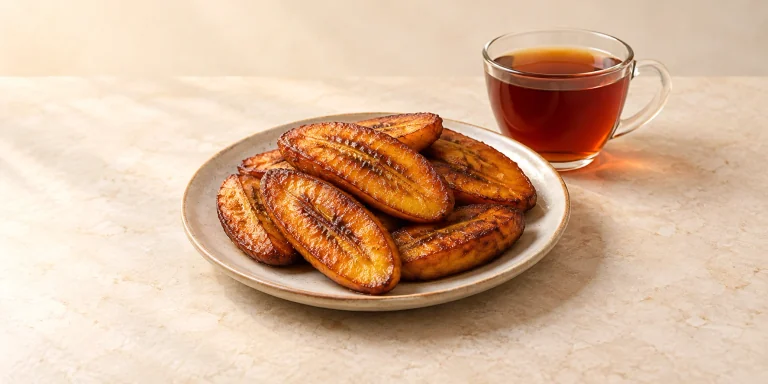
What to Eat with Rwandan Black Tea
Bright, coppery and gently brisk, Rwandan black tea pairs beautifully with East African comfort food, grilled plantain, and simple buttery pastries.
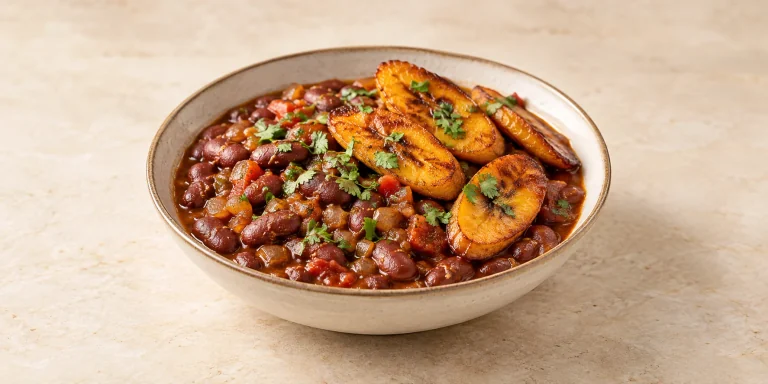
Rwandan Tea-Braised Beans with Plantain
Slow-simmered beans braised in strong Rwandan black tea with tomato, onion and spices, served over fried sweet plantain — a hearty Great Lakes-inspired one-pot meal.
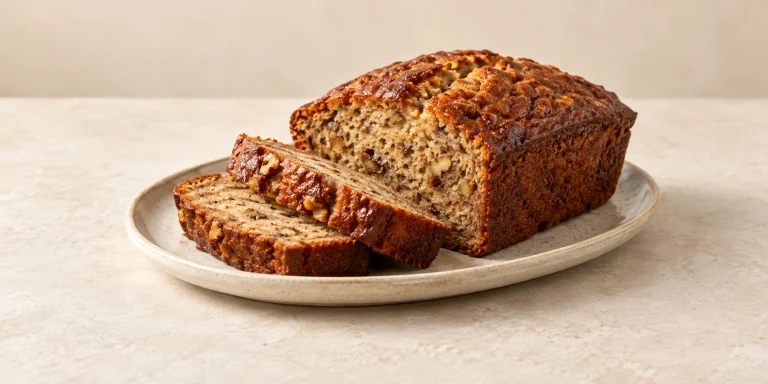
Rwandan Black Tea and Honey Banana Cake
A moist banana cake steeped with Rwandan black tea and sweetened with honey — the tea's gentle brightness keeps this East African-inspired bake from tasting too heavy.
- Free
- Sundays
- 2 min
Drink better tea, one Sunday at a time.
A fact for the table·A shop worth the trip·A better cup·Ritual & kit of the week·Tea recipes & drinks
Drinks with this tea

Rwandan Black Tea with Ginger, Honey and Lime
Brisk Rwandan black tea steeped with a slice of fresh ginger, then finished with raw honey and a squeeze of lime: bright and lively, first thing in the morning.

Iced Rwandan Tea with Passionfruit and Mint
Cold-brewed Rwandan black tea layered with tangy passionfruit and fresh mint — a refreshing, brightly fruity iced tea inspired by Rwanda's highland fruit gardens.

Rwandan Tea & Rum Sour with Passionfruit
A coppery, fruit-forward sour built on Rwandan black tea syrup, dark rum, lime and passionfruit — with a non-alcoholic mocktail version that's just as vibrant.