
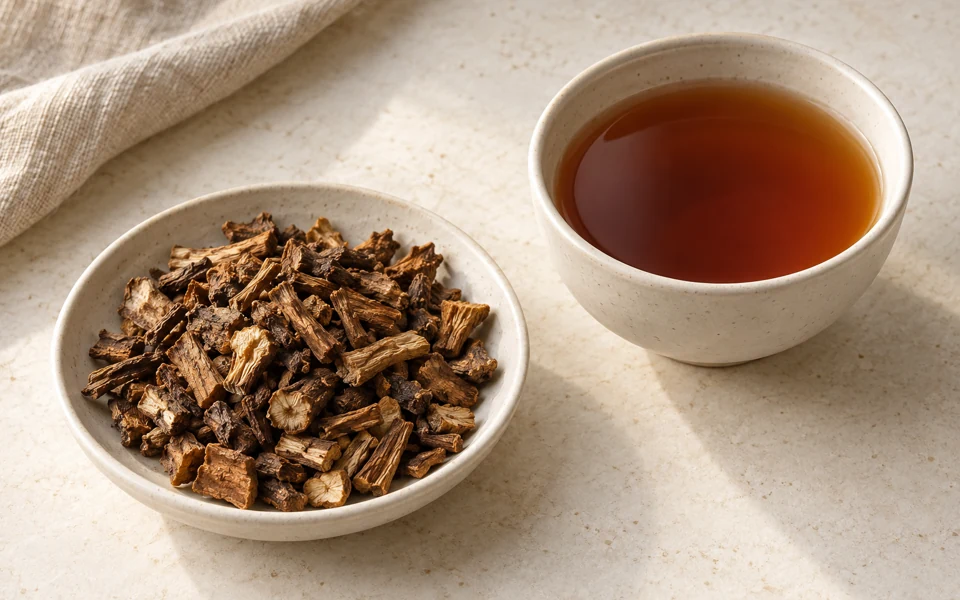
Dandelion
Herbal infusion
4.1/5 · FindMeTea score
About this tea
Dandelion (Taraxacum officinale) is a caffeine-free herbal infusion — not a true tea — made from the leaf or the root of a humble flowering plant that grows almost everywhere temperate. The leaf brews into a green, grassy, gently bitter infusion, while the roasted root produces a deep, earthy, coffee-like cup that has long stood in for coffee when there was none. Our catalog describes it as bitter, earthy, roasted and robust, with no caffeine, and lists it for the morning, after meals and the afternoon. The bitterness is the point: it is a cup people have poured before and after meals for generations, by custom — and what the European medicines agency says about the plant is quoted below.
How to brew: 100°C, 8 min, 3 g per cup.
Caffeine
None
How to brew
Flavor notes
bitter, earthy, toasted, robust
Often associated with
Digestive comfort, Digestive feeling
Best time to enjoy
Morning, After a meal, Afternoon
Tags
Where to find it in United States
 Where to find it in United States
Near Columbus
- North Market SpicesOther Herbal infusion
Columbus · North Market, downtown
Spearmint, Crushed Leaves
from US$ 3.85· 1 oz
In storeOnline59 Spruce Street, Columbus, OH 43215See the shop → - Posh Teatime Co.Other Herbal infusion
Columbus · Franklinton, West Broad Street
Farmer's Market Fruit Blend
from US$ 16.95· 4 oz
In storeOnline1273 W Broad Street, Columbus, OH 43222See the shop → - Sencha Tea BarOther Herbal infusion
Minneapolis · Uptown (also Madison, WI)
Rose Hips
from US$ 3.99· 2 oz
In storeOnline2601 Hennepin Ave S, Minneapolis, MN 55408See the shop → - Old City CoffeeOther Herbal infusion
Philadelphia · Old City · Reading Terminal Market
Hibiscus
US$ 11· 4 oz
In storeOnline221 Church St, Philadelphia, PA 19106See the shop → - The Random Tea RoomOther Herbal infusion
Philadelphia · Northern Liberties
Chamomile
US$ 18· 6 oz
In storeOnline713 N 4th St, Philadelphia, PA 19123See the shop →
Origin & Production
Dandelion is believed to have originated in Eurasia, but it has since spread to nearly every temperate corner of the globe, thriving in meadows, lawns, roadsides, and disturbed soils. Few plants are as adaptable: it grows from sea level to mountain slopes and tolerates a wide range of climates and soils. Commercial dandelion for tea is gathered both from cultivated plots and from clean wild-harvested stands, with the root traditionally dug in autumn when its stored compounds peak. Because it is so widespread and resilient, dandelion is one of the most accessible herbal infusions in the world — often growing just outside the back door.
Production process
Harvesting leaf & root
Young leaves are gathered in spring when they are most tender and least bitter, while roots are dug in autumn when their inulin and bitter compounds are most concentrated. Clean, unsprayed sources are essential.
Washing & cutting
Roots are scrubbed clean of soil and chopped into uniform small pieces, while leaves are rinsed and trimmed. Uniform cutting ensures even drying and consistent brewing later.
Drying
Leaves and chopped roots are dried slowly in ventilated shade or low-heat dehydrators to preserve their bitter principles and aroma. Proper drying prevents mold and keeps the herb shelf-stable.
Roasting the root
For the coffee-substitute style, dried root pieces are roasted until deep brown and fragrant. Roasting develops rich, toasty, caramelized notes that mimic the warmth of coffee while remaining caffeine-free.
Grinding & grading
Roasted root may be coarsely ground for brewing like coffee, while leaf is cut and sifted by size. Material is graded by quality, color, and aroma before packaging.
Packaging
The finished leaf, root, or roasted root is sealed in light-protected, airtight packaging as loose herb or tea bags to preserve freshness until brewing.
- Free
- Sundays
- 2 min
Drink better tea, one Sunday at a time.
A fact for the table·A shop worth the trip·A better cup·Ritual & kit of the week·Tea fun facts
History & Tradition
Dandelion has accompanied humankind for centuries, valued across many cultures as a bitter green, a wild food, and — when its root is roasted — a comforting coffee-free brew during times when coffee was scarce.
A bitter green
Dandelion was eaten as a bitter leafy green across early Mediterranean, Middle Eastern, and Asian kitchens, where bitter leaves had their place in seasonal eating.
Culpeper's Complete Herbal
Nicholas Culpeper's Complete Herbal, the best-known English herbal of its century, gives dandelion an entry of its own, under its old country name. It is 17th-century herbalism, read today as history rather than evidence.
Roasted root coffee
As coffee grew popular but remained costly, the roasted dandelion root became a widespread caffeine-free substitute in European households, brewed for its deep, toasty, coffee-like character.
Wartime coffee alternative
During periods of wartime rationing and scarcity, roasted dandelion and chicory roots were brewed as everyday coffee alternatives, cementing the plant's reputation as a resourceful caffeine-free cup.
Two EMA monographs
The European Medicines Agency's Committee on Herbal Medicinal Products adopts traditional-use monographs for dandelion leaf and for dandelion root with herb, stating the uses it accepts on long-standing use alone and the cautions that go with them. In 2026 the agency opened a call for scientific data to review both.
What's in the cup
Dandelion root with herb, as Europe's medicines agency lists it
The European Medicines Agency's Committee on Herbal Medicinal Products lists dandelion root with herb as a traditional herbal medicinal product for the relief of symptoms related to mild digestive disorders (such as a feeling of abdominal fullness, flatulence and slow digestion) and temporary loss of appetite, and to increase the amount of urine to achieve flushing of the urinary tract as an adjuvant in minor urinary complaints — a status it grants exclusively on the basis of long-standing use, with a doctor consulted if the symptoms persist beyond two weeks. The same monograph lists it as not to be used with gallstones, obstructed bile ducts, liver disease or an active peptic ulcer, nor by anyone allergic to the daisy family; advises against it in kidney failure, diabetes and heart failure; does not recommend it under 12 or during pregnancy and breastfeeding; records no reported interactions, and notes that stomach pain, hyperacidity and allergic reactions may occur. The leaf alone has a monograph of its own, quoted on our page for the four-herb blend. This isn't medical advice — if you have a specific condition, check with a healthcare provider.
Source: EMA/HMPC — Community herbal monograph on Taraxacum officinale, radix cum herba (2009)
No caffeine at all
Both the leaf infusion and the roasted root brew are level 0 on our caffeine scale: there is no Camellia sinensis in the cup. Our catalog lists dandelion for the morning, after meals and the afternoon, and the roasted root is the version most people pour where a coffee would otherwise go.
A coffee-like cup, by flavor
Roasted dandelion root delivers the warm, toasty, full-bodied character many people love about coffee — our catalog describes the cup as bitter, earthy, roasted and robust. It is a likeness of flavor only: the root has no caffeine, and a splash of milk or oat milk rounds it the way it rounds a coffee.
How to brew it
Our catalog brews dandelion at 100 °C for 8 minutes with 3 g per cup. Roots want the full time, or a gentle simmer; leaf is ready sooner and turns harsher if pushed. Taste as you go: over-extraction tips the bitterness too far, and a small spoon of honey softens the edge without hiding the roast.
The bitter cup, by custom
In much of Europe a bitter cup before or after a meal is simply what one drinks, and dandelion is the garden version of it. Pour it slowly and let the bitterness sit on the palate; that is the whole ritual, and the only thing we promise from it.
This isn't medical advice. If you have a specific condition, or you are pregnant or taking medication, check with a healthcare provider.
- Free
- Sundays
- 2 min
Drink better tea, one Sunday at a time.
A fact for the table·A shop worth the trip·A better cup·Ritual & kit of the week·Brew better
Grades & Varieties
Dandelion leaf
Dried green leaf that brews a grassy, vegetal, gently bitter infusion. Lighter and fresher than the root, it is a popular choice for a clean, herbaceous everyday cup.
Best for
- ✓Light daily infusion
- ✓Spring herbal blends
- ✓Those who prefer a milder bitterness
Roasted dandelion root
Deeply roasted root pieces that brew a dark, earthy, coffee-like cup with toasty, caramelized notes. The classic caffeine-free coffee substitute, often enjoyed in the morning.
Best for
- ✓Caffeine-free coffee alternative
- ✓Morning ritual
- ✓After dinner, in place of coffee
Dandelion-chicory blend
A traditional roasted blend pairing dandelion root with chicory for an even richer, rounder coffee-like brew. The combination softens the bitterness while deepening the toasty body.
Best for
- ✓Fuller coffee-style cup
- ✓Newcomers to roasted root brews
- ✓Blending with milk or oat milk
Did you know?
During wartime coffee shortages, roasted dandelion root was widely brewed as a caffeine-free coffee substitute — its deep, toasty flavor stood in for the real thing.
Foods with this tea
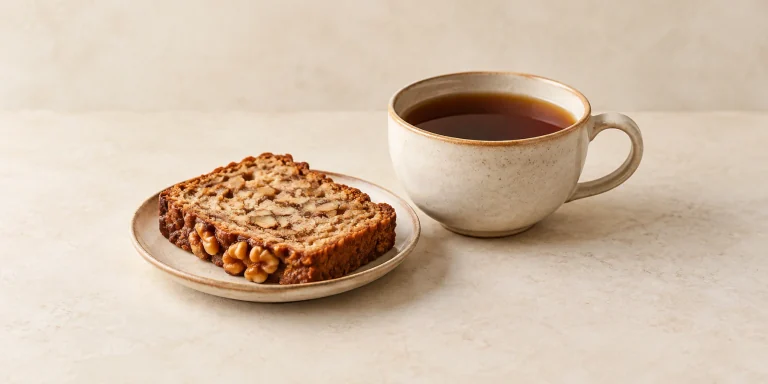
What to Eat with Dandelion Tea
Dandelion's bitter, earthy character pairs beautifully with rich, roasted, and toasty foods—think roasted vegetables, nutty grains, and warm baked goods.

Roasted Dandelion-Glazed Root Vegetables
Earthy root vegetables roasted in a glaze of reduced roasted-dandelion-root brew, maple, and mustard—deeply caramelized with a toasty, coffee-like backbone.
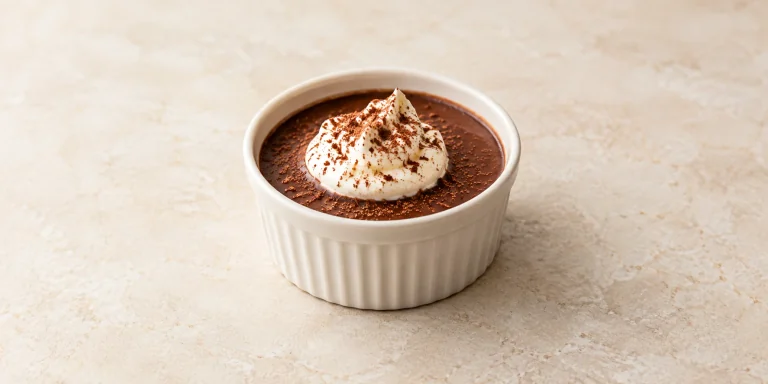
Roasted Dandelion Root Mocha Pots de Crème
Silky chocolate pots de crème infused with roasted dandelion root—the brew's coffee-like bitterness deepens the chocolate into a caffeine-free mocha dessert.
- Free
- Sundays
- 2 min
Drink better tea, one Sunday at a time.
A fact for the table·A shop worth the trip·A better cup·Ritual & kit of the week·Tea recipes & drinks
Drinks with this tea

Roasted Dandelion Root with Fresh Ginger and Lemon
Roasted dandelion root brewed with fresh ginger and lemon, with orange peel if you have it and a touch of honey: earthy, bitter and caffeine-free.

Iced Dandelion Root Cold Brew with Maple and Oat Milk
Cold-brewed roasted dandelion root over ice with maple syrup and a swirl of oat milk—a smooth, coffee-like iced refresher that's completely caffeine-free.

Dandelion Root Old Fashioned (with Mocktail Version)
A bittersweet riff on the Old Fashioned built on bourbon and roasted dandelion root syrup—plus a fully non-alcoholic mocktail version for everyone at the table.