
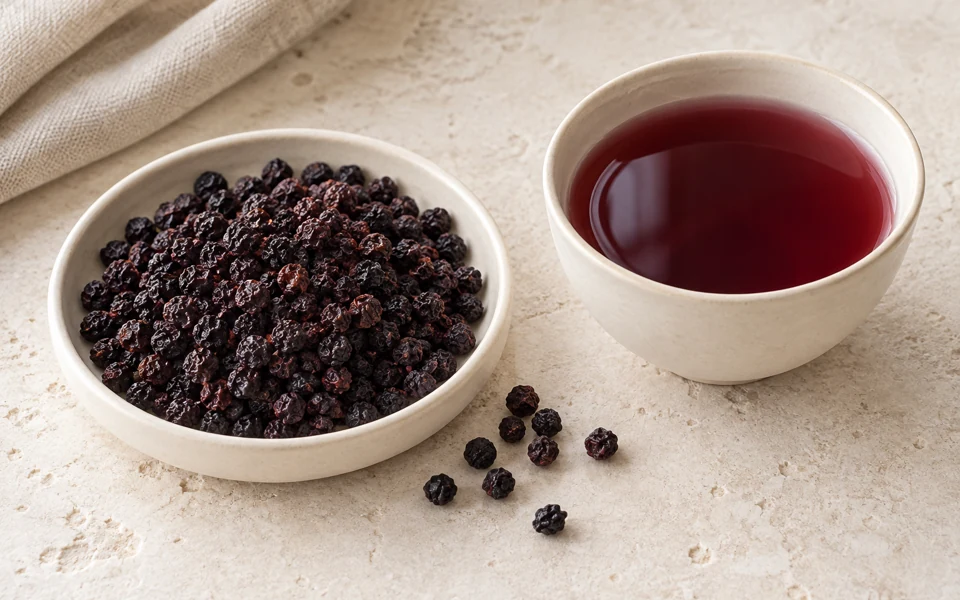
Elderberry
Herbal infusion
4.4/5 · FindMeTea score
About this tea
Elderberry (Sambucus nigra) is a deep-purple herbal infusion — not a true tea — made from the cooked berries of the European elder shrub, a classic of immune-season traditions across Europe and North America. Its tart, dark-fruit flavor and rich anthocyanin color have made it a comforting cold-weather ritual for generations. Elderberry is naturally caffeine-free and is traditionally enjoyed warm and lightly sweetened. Importantly, elderberries must always be cooked before consumption, as raw berries contain compounds that can cause stomach upset. When properly prepared, elderberry offers a vibrant, jammy infusion long associated with seasonal comfort.
How to brew: 100°C, 15 min, 5 g per cup.
Caffeine
None
How to brew
Flavor notes
fruity, tart, sweet, aromatic
Often associated with
Comfort, Sense of well-being
Best time to enjoy
Afternoon, Evening, Any time
Tags
Where to find it in United States
 Where to find it in United States
Near Columbus
- North Market SpicesOther Herbal infusion
Columbus · North Market, downtown
Spearmint, Crushed Leaves
from US$ 3.85· 1 oz
In storeOnline59 Spruce Street, Columbus, OH 43215See the shop → - Posh Teatime Co.Other Herbal infusion
Columbus · Franklinton, West Broad Street
Farmer's Market Fruit Blend
from US$ 16.95· 4 oz
In storeOnline1273 W Broad Street, Columbus, OH 43222See the shop → - Sencha Tea BarThis tea
Minneapolis · Uptown (also Madison, WI)
Elderberries
from US$ 5.99· 2 oz
In storeOnline2601 Hennepin Ave S, Minneapolis, MN 55408See the shop → - Old City CoffeeOther Herbal infusion
Philadelphia · Old City · Reading Terminal Market
Hibiscus
US$ 11· 4 oz
In storeOnline221 Church St, Philadelphia, PA 19106See the shop → - The Random Tea RoomOther Herbal infusion
Philadelphia · Northern Liberties
Chamomile
US$ 18· 6 oz
In storeOnline713 N 4th St, Philadelphia, PA 19123See the shop →
Origin & Production
The European elder (Sambucus nigra) grows wild across temperate Europe, thriving in hedgerows, woodland edges, riverbanks, and disturbed ground from the British Isles to the Caucasus. It is also widely naturalized throughout North America, where related species are gathered each autumn. The deciduous shrub produces creamy flower clusters in late spring followed by dark, glossy berries in late summer and early autumn. Elderberries are predominantly wild-harvested or grown on small farms rather than large industrial plantations, and central and eastern Europe — particularly Austria, Hungary, and Poland — supply much of the world's cultivated elderberry crop.
Production process
Harvesting ripe berries
Fully ripe, dark-purple berry clusters are gathered in late summer and early autumn, when the umbels droop under their weight. Only fully colored berries are picked, as unripe green berries are higher in undesirable compounds.
Destemming & sorting
Berries are stripped from the stems — traditionally with a fork — since the stems, leaves, and bark are discarded. Damaged or underripe berries are sorted out, leaving only sound fruit for processing.
Cooking (essential safety step)
Berries are gently cooked or steamed before any further use. This essential step neutralizes the compounds that make raw elderberries unpalatable and prone to causing stomach upset. Raw elderberries should never be eaten.
Drying or concentrating
For tea, cooked berries are dried at low temperature to preserve their deep anthocyanin color; for syrups, the cooked juice is strained and concentrated. Slow drying protects the rich purple pigments and tart aroma.
Packaging & storage
Dried berries and concentrates are packed in sealed, light-protected containers to guard the color and flavor. Elderberry reaches consumers as loose dried berries, tea bags, and bottled syrups.
- Free
- Sundays
- 2 min
Drink better tea, one Sunday at a time.
A fact for the table·A shop worth the trip·A better cup·Ritual & kit of the week·Tea fun facts
History & Tradition
Elderberry is one of Europe's oldest folk botanicals, woven into seasonal traditions, kitchen lore, and immune-season rituals for thousands of years across many cultures.
Hippocratic mentions
Writings attributed to Hippocrates referred to the elder as a versatile household plant, and Greek and later Roman naturalists described its berries and flowers among everyday seasonal remedies.
Hedgerow tradition
Across medieval Europe the elder was a fixture of cottage gardens and hedgerows, surrounded by folklore. Cooked berries were turned into warming winter cordials and seasonal comfort drinks.
Herbals of the era
European herbalists of the 17th century, including John Evelyn, praised the elder so highly that it was sometimes called a complete country medicine chest, documenting cooked-berry cordials in detail.
Wine & syrup cultures
Elderberry wine and homemade syrups became cherished autumn traditions across Britain and central Europe, with families gathering hedgerow berries to put up cordials for the cold months ahead.
Modern wellness revival
Elderberry syrups, teas, and lozenges surged in popularity as a caffeine-free wellness staple, celebrated for their rich anthocyanin color and traditional association with seasonal comfort.
What's in the cup
Immune-season tradition
Elderberry has long been a go-to during cold and chilly seasons. As a traditional comfort drink, a warm cup is widely enjoyed for the cozy, soothing ritual it provides when the weather turns.
Rich in anthocyanins
The deep purple color of elderberries comes from anthocyanins, the same plant pigments found in blueberries and blackberries. These compounds are part of what gives elderberry its vibrant, jammy character.
Caffeine-free comfort
Naturally caffeine-free, elderberry can be enjoyed at any hour, including the evening. Its gentle tartness and warmth make it an easy, soothing drink that fits comfortably into a wind-down routine.
Soothing warm sipper
Served hot with a touch of honey and lemon, elderberry is a classic warming sipper. The tart dark-fruit flavor is often associated with cold-symptom comfort in traditional seasonal use.
Cozy seasonal ritual
Beyond flavor, elderberry's appeal lies in ritual — a steaming, fragrant cup that signals slowing down. Many people reach for it as a comforting moment of calm during the darker, colder months.
- Free
- Sundays
- 2 min
Drink better tea, one Sunday at a time.
A fact for the table·A shop worth the trip·A better cup·Ritual & kit of the week·Brew better
Grades & Varieties
Whole dried berries
Complete dried elderberries with the deepest color and most concentrated tart flavor. These must be simmered (never used raw) to make tea or syrup — the traditional starting point for homemade preparations.
Best for
- ✓Homemade elderberry syrup
- ✓Simmered seasonal infusions
- ✓Berry blends with spices
Cut berries (tea bags)
Pre-cooked, dried elderberries cut for convenient brewing in tea bags or blends. Slightly milder than whole berries but ready to steep, often combined with hibiscus or rosehip for a balanced tart cup.
Best for
- ✓Daily caffeine-free tea
- ✓Quick warm sippers
- ✓Fruit-forward blends
Elderberry syrup
A concentrated, sweetened cooked-berry syrup with intense color and jammy tartness. A spoonful stirred into hot water makes an instant elderberry drink, and it is a beloved immune-season pantry staple.
Best for
- ✓Instant warm drinks
- ✓Drizzling over desserts
- ✓Mixing into mocktails
Did you know?
Elderberries must always be cooked before use — raw berries can cause stomach upset, which is why traditional elderberry drinks are simmered, never steeped raw.
Foods with this tea
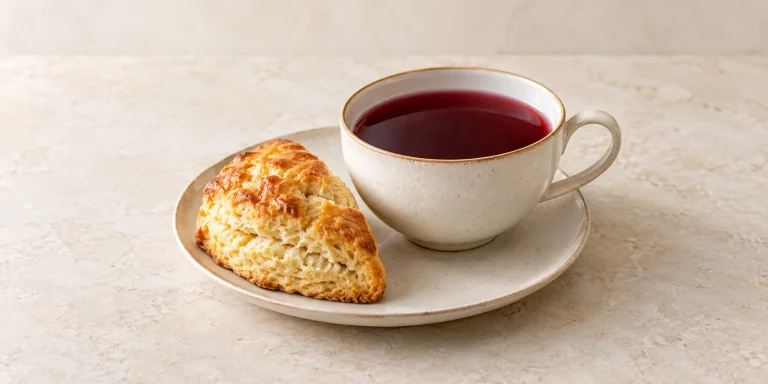
What to Eat with Elderberry Tea
Elderberry's tart, dark-fruit character pairs beautifully with rich baked goods, warm spices, and creamy cheeses—a cozy match for cold-weather comfort food.
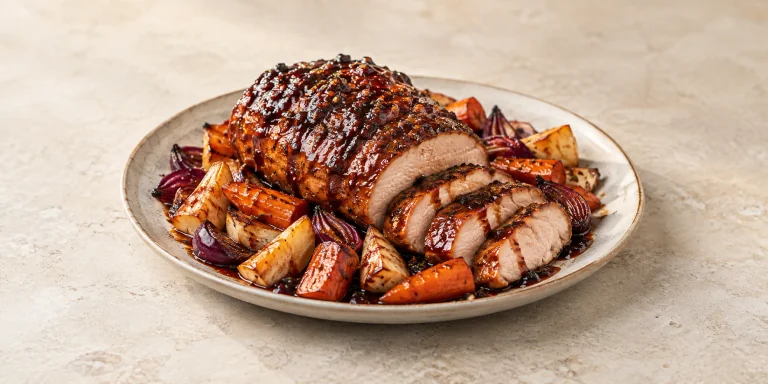
Elderberry-Glazed Roast Pork with Root Vegetables
Pork loin lacquered in a tart elderberry tea glaze with thyme and balsamic, roasted over caramelized root vegetables for a cozy cold-weather dinner.
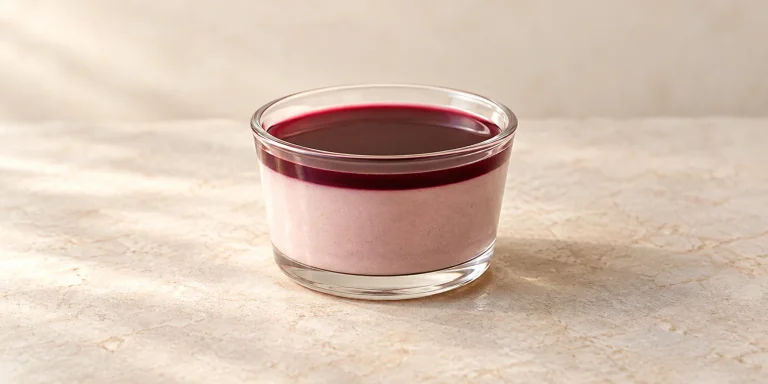
Elderberry Tea Panna Cotta with Berry Coulis
A silky vanilla panna cotta infused with elderberry tea and crowned with a tart elderberry coulis—a deep-purple dessert that's creamy, jammy, and elegant.
- Free
- Sundays
- 2 min
Drink better tea, one Sunday at a time.
A fact for the table·A shop worth the trip·A better cup·Ritual & kit of the week·Tea recipes & drinks
Drinks with this tea
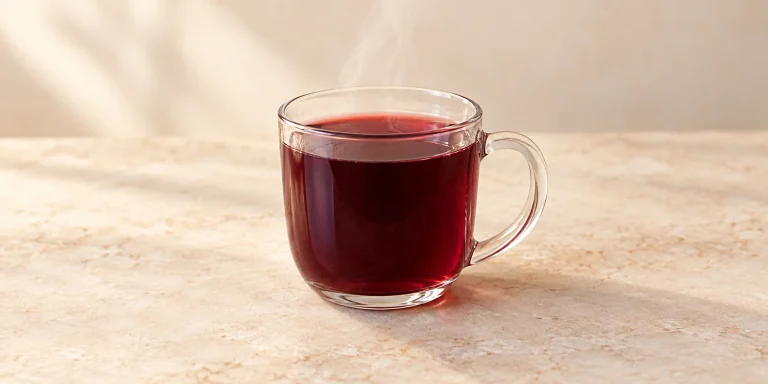
Simmered Elderberry with Ginger, Honey and Lemon
Dried elderberries simmered fifteen minutes with fresh ginger, then honey and lemon: tart, jammy and deep purple, a caffeine-free cup for cold days.
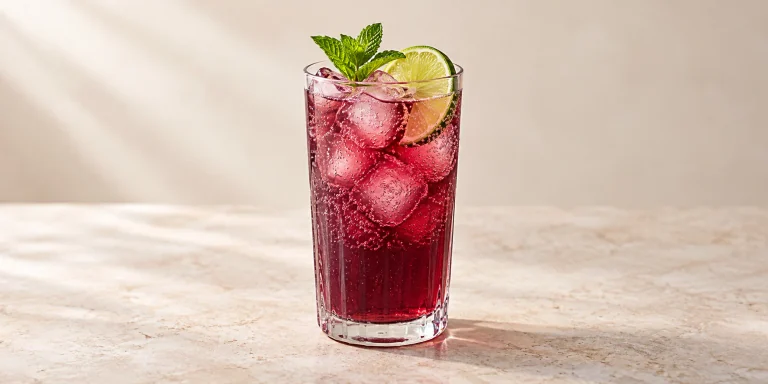
Sparkling Iced Elderberry Spritz with Lime
Chilled cooked-elderberry tea topped with sparkling water and fresh lime—a tart, jammy, deep-purple iced refresher that's vibrant and caffeine-free.
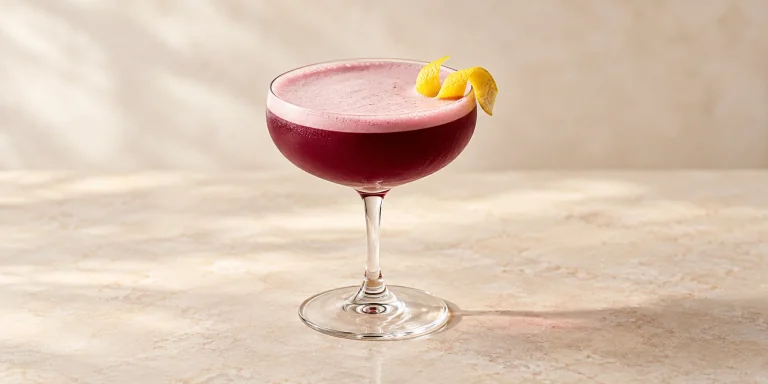
Elderberry Gin Sour (with Mocktail Variant)
A bittersweet cocktail where tart elderberry tea meets gin, lemon, and a silky foam—plus an alcohol-free mocktail version for everyone at the table.