
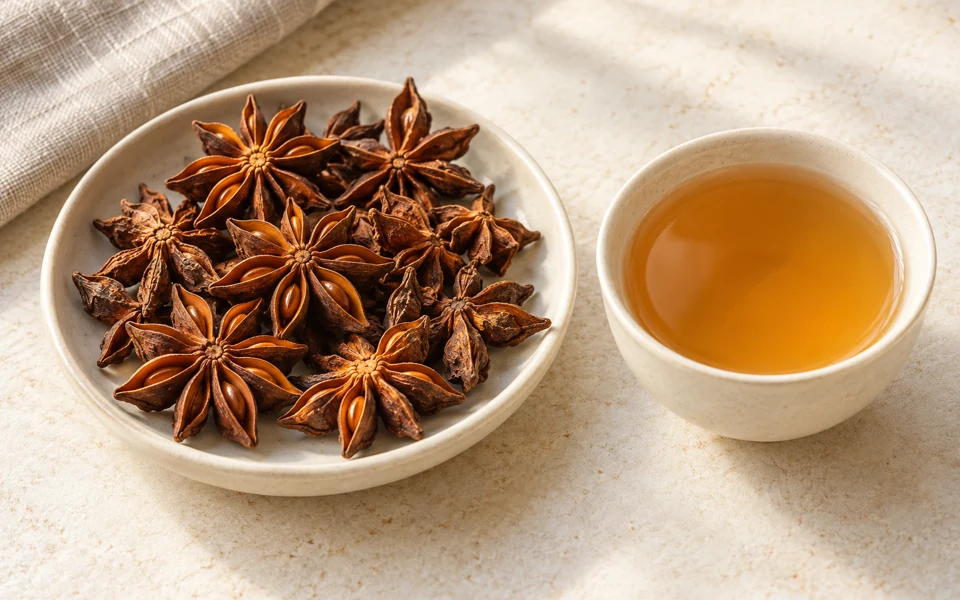
Star Anise
Herbal infusion
4.3/5 · FindMeTea score
About this tea
Star anise tea (anís estrella) is a naturally sweet, caffeine-free herbal infusion made from the dried, star-shaped seed pods of Illicium verum, an evergreen tree native to southern China and northern Vietnam. Its flavor is warm and intensely licorice-like, carried by anethole — the same aromatic compound found in fennel and true anise, though star anise delivers it with a bolder, almost spicy edge. For centuries the pods have been simmered or steeped after meals across East Asia and the Mediterranean, a sweet, warming cup for cold evenings that is taken for its flavor and its custom. Because each pod is so potent, a single star goes a long way, and the tea is often blended with cinnamon, clove, or citrus peel for mulled, spiced infusions. Note that only true star anise (Chinese star anise) should ever be used for tea — a visually similar but toxic relative, Japanese star anise, must never be confused with it.
How to brew: 100°C, 7 min, 2 g per cup.
Caffeine
None
How to brew
Flavor notes
anise, sweet, warming, spiced
Often associated with
Digestive comfort, Caffeine-free warmth
Best time to enjoy
Evening, After a meal
Tags
Where to find it in United States
 Where to find it in United States
Near Columbus
- North Market SpicesOther Herbal infusion
Columbus · North Market, downtown
Spearmint, Crushed Leaves
from US$ 3.85· 1 oz
In storeOnline59 Spruce Street, Columbus, OH 43215See the shop → - Posh Teatime Co.Other Herbal infusion
Columbus · Franklinton, West Broad Street
Farmer's Market Fruit Blend
from US$ 16.95· 4 oz
In storeOnline1273 W Broad Street, Columbus, OH 43222See the shop → - Sencha Tea BarOther Herbal infusion
Minneapolis · Uptown (also Madison, WI)
Rose Hips
from US$ 3.99· 2 oz
In storeOnline2601 Hennepin Ave S, Minneapolis, MN 55408See the shop → - Old City CoffeeOther Herbal infusion
Philadelphia · Old City · Reading Terminal Market
Hibiscus
US$ 11· 4 oz
In storeOnline221 Church St, Philadelphia, PA 19106See the shop → - The Random Tea RoomOther Herbal infusion
Philadelphia · Northern Liberties
Chamomile
US$ 18· 6 oz
In storeOnline713 N 4th St, Philadelphia, PA 19123See the shop →
Origin & Production
Illicium verum is native to the subtropical forests of Guangxi province in southern China and the adjoining highlands of northern Vietnam, where the tree's warm, humid, well-drained terrain lets it thrive for decades. Mature trees, which can live and bear fruit for over a hundred years, produce the eight-pointed star-shaped pods that are hand-harvested while still green and then sun-dried until they turn the deep reddish-brown seen in tea tins. Guangxi alone supplies the overwhelming majority of the world's star anise, much of it grown on smallholder farms tucked into the same hill country that also produces cassia cinnamon — the two spices are frequently grown side by side and traded together. Unlike camellia-based teas, star anise is a fruit spice, so its character depends on tree age, harvest timing, and drying conditions rather than elevation or seasonal flush, and the whole, intact star is considered the mark of top quality.
Production process
Hand harvesting
Pods are picked by hand from mature trees while still green and unripe, usually in two harvest windows per year — early spring and autumn — when the essential oil content is highest.
Sun-drying
Fresh green pods are spread on bamboo mats or open platforms and dried in the sun for several days until they harden and darken to a deep reddish-brown, concentrating the anethole-rich aroma.
Sorting & grading
Dried pods are hand-sorted by size, color, and the number of intact points — whole eight-pointed stars with a glossy sheen and no broken segments fetch the highest grade.
Cleaning & species verification
Reputable processors screen out any broken, misshapen, or visually atypical pods, since contamination with the toxic, inedible Japanese star anise (Illicium anisatum) is a known food-safety risk in poorly regulated supply chains.
Packaging & export
Graded, whole pods are packed in sealed, moisture-protected containers. China and Vietnam export star anise worldwide as whole pods, broken pieces, ground powder, and the basis for shikimic acid extraction used in pharmaceuticals.
- Free
- Sundays
- 2 min
Drink better tea, one Sunday at a time.
A fact for the table·A shop worth the trip·A better cup·Ritual & kit of the week·Tea fun facts
History & Tradition
Star anise has traveled an unusually long road from a single corner of southern China to kitchens, medicine cabinets, and even modern pharmaceutical labs across the world.
Early use in southern China
Communities in what is now Guangxi gathered wild star anise pods long before written records, using them as a warming spice in the kitchen and in infusions.
Documented in Chinese materia medica
Physician Li Shizhen described the spice (bajiao huixiang, 'eight-horned fennel') in his Compendium of Materia Medica, listing the spice among the warming aromatics of the Chinese pharmacopoeia.
Arrival in Europe
English navigator Thomas Cavendish is traditionally credited with bringing star anise to Europe via the Philippines after his circumnavigation (1586–1588), and it was soon adopted into liqueurs and eventually blended with black tea in spiced infusions.
Spread along trade routes
Star anise became a fixture of Vietnamese pho broth, Indian garam masala and chai blends, and Middle Eastern and Mediterranean spiced wines and after-dinner infusions, carried along maritime and overland spice routes.
Tamiflu shortage spotlight
Global demand for star anise spiked when shikimic acid, extracted from the pods, was revealed as the key starting material for the prescription flu medicine oseltamivir (Tamiflu), briefly straining the world's star anise supply.
Everyday global spice
Star anise is now a pantry staple worldwide, used in mulled wines, chai blends, simple syrups, and infusions on their own, while food-safety authorities continue to warn against confusing it with the toxic Japanese variety.
What's in the cup
A 2003 food-safety advisory, by the FDA
In September 2003 the US Food and Drug Administration advised the public not to drink teas brewed from star anise, after about 40 illnesses, roughly 15 of them in infants, ranging from seizures to vomiting, jitteriness and rapid eye movement. The agency's concern was that the Chinese star anise on sale (Illicium verum, which it considers generally recognized as safe) may contain Japanese star anise (Illicium anisatum), long recognized as toxic and meant for decoration only; the teas involved were popularly given to infants for colic. That advisory is why we say: whole stars from a labeled, traceable spice source, and never a star anise infusion for a baby. This isn't medical advice — if you have a specific condition, check with a healthcare provider.
No caffeine at all
Star anise is level 0 on our caffeine scale: there is no Camellia sinensis in the cup, only the dried fruit of a tree. That is why our catalog lists it for the evening and after meals, and why it is the spiced cup that can follow dinner once the black tea has been put away.
How to brew it
Our catalog brews star anise at 100 °C for 7 minutes with 2 g per cup: boiling water, a lid, and more patience than most infusions. Whole stars give up their aroma slowly and broken points a little faster; a single star is strong, so start light and add another next time if you want more.
Licorice-sweet, without licorice
The sweetness comes from anethole, the same aromatic compound found in fennel and anise seed, which the tongue reads as sugar although none is there. Our catalog describes the cup as anise, sweet, warm and spiced; a pinch of cinnamon or a strip of orange peel rounds it, and milk turns it into something close to a dessert.
The after-dinner cup, by custom
In southern China and Vietnam the stars go into the pot and the broth; around the Mediterranean they end up in mulled wine and in the small cup after dinner. These are kitchen customs older than any study, and that is how we list star anise: a sweet, warm, caffeine-free cup for the end of the meal, taken for its warmth and its sweetness, not for anything it does.
This isn't medical advice. If you have a specific condition, or you are pregnant or taking medication, check with a healthcare provider.
- Free
- Sundays
- 2 min
Drink better tea, one Sunday at a time.
A fact for the table·A shop worth the trip·A better cup·Ritual & kit of the week·Brew better
Grades & Varieties
Whole star pods
Complete, glossy, eight-pointed pods with all segments intact. The premium, most visually striking format, offering the fullest aroma; buy them labeled and from a traceable spice source, since dried Chinese and Japanese star anise are not told apart by eye.
Best for
- ✓Mulled spiced infusions
- ✓Visual garnish for hot drinks
- ✓Slow-simmered after-dinner cup
Broken pieces & points
Pods broken into individual points or smaller fragments during transport and processing. Slightly faster to infuse and more economical than whole stars, with nearly identical flavor once steeped.
Best for
- ✓Everyday after-dinner cup
- ✓Quick steeping for a single cup
- ✓Blending with other spices
Ground star anise
Finely ground pods used more for baking and spice blends than for clear tea, since the powder clouds the infusion and is harder to strain. Releases its aroma fastest but loses potency quickly once exposed to air.
Best for
- ✓Spice blends and baking
- ✓Mulling spice mixes
- ✓Quick-infusing syrups
Did you know?
Global demand for star anise spiked in 2005 when shikimic acid extracted from its pods was revealed as the key starting material for the antiviral drug Tamiflu, briefly straining the world's supply.
Foods with this tea
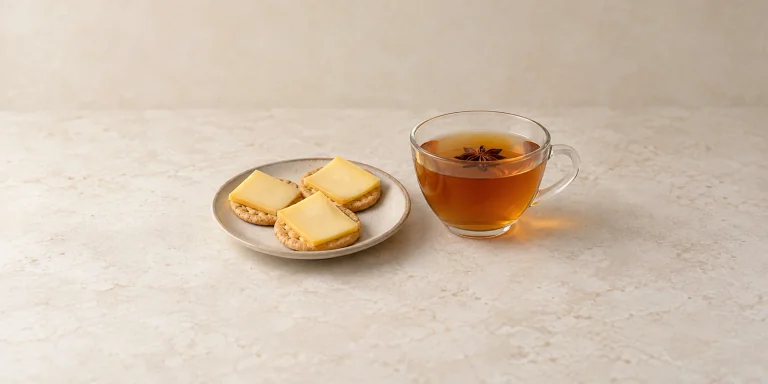
What to Eat with Star Anise Tea
Star anise's sweet, warm licorice notes pair beautifully with roasted root vegetables, slow-braised meats, and spiced winter baking.
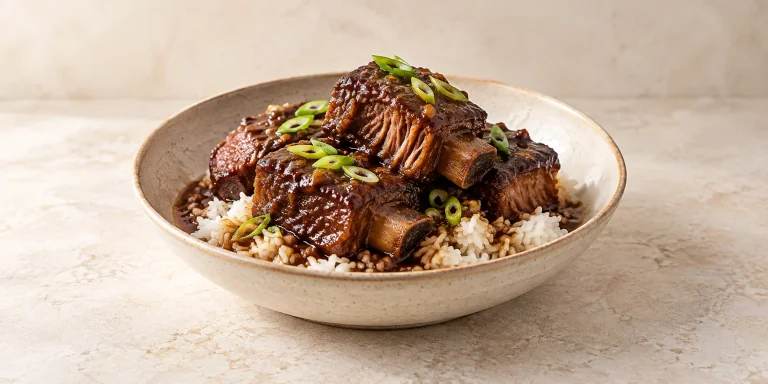
Star Anise Braised Short Ribs
Beef short ribs slow-braised in a star anise tea reduction with soy, ginger, and orange peel — a warming, fork-tender dish inspired by East Asian red-braising.
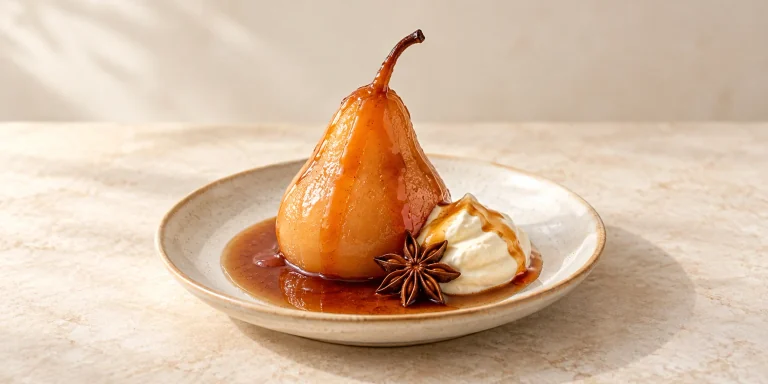
Star Anise Poached Pears
Pears gently poached in a star anise tea syrup with cinnamon and vanilla — an elegant, fragrant dessert that tastes like a warm winter evening in a glass.
- Free
- Sundays
- 2 min
Drink better tea, one Sunday at a time.
A fact for the table·A shop worth the trip·A better cup·Ritual & kit of the week·Tea recipes & drinks
Drinks with this tea
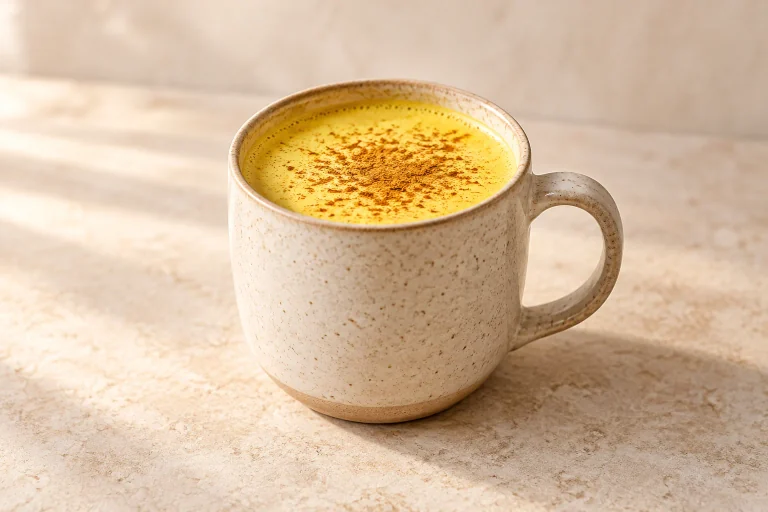
Star Anise Golden Milk with Turmeric and Honey
Milk gently warmed with star anise, turmeric, ginger, and black pepper, then sweetened with honey and dusted with cinnamon: sweet, spiced, and caffeine-free, for a slow evening cup.
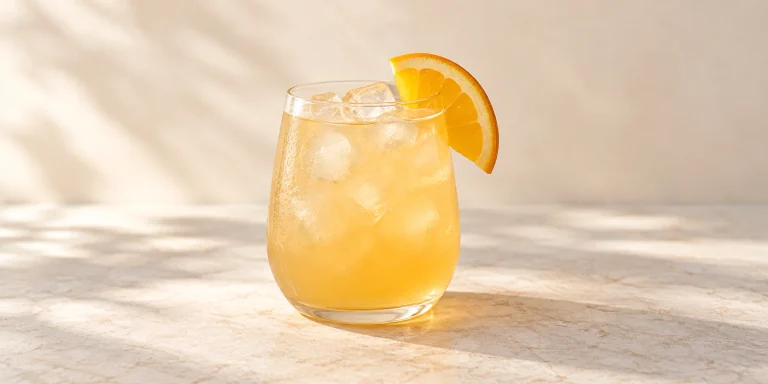
Iced Star Anise Citrus Cooler
Cold-brewed star anise tea shaken with orange juice and lime — a refreshing, naturally sweet, caffeine-free cooler with a warm spiced finish.
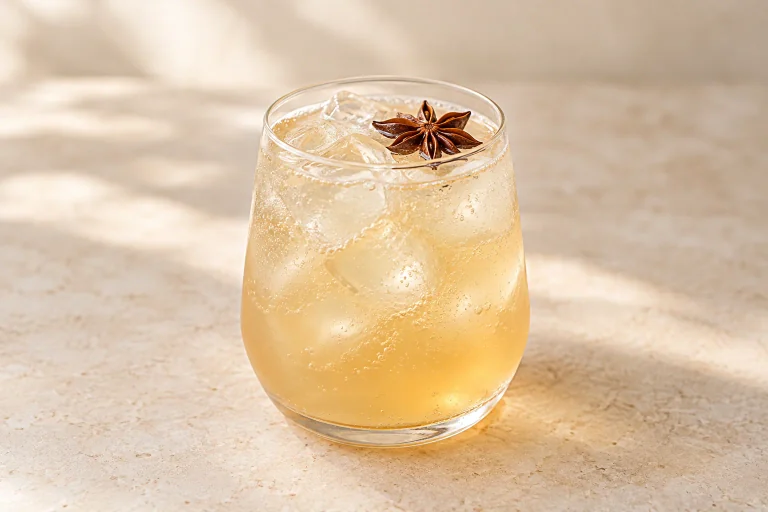
Star Anise Spiced Mocktail
A non-alcoholic, warmly spiced mocktail built on a star anise tea reduction with pear juice, lime, and soda — all the cozy ritual of a spiced cocktail, no alcohol needed.