
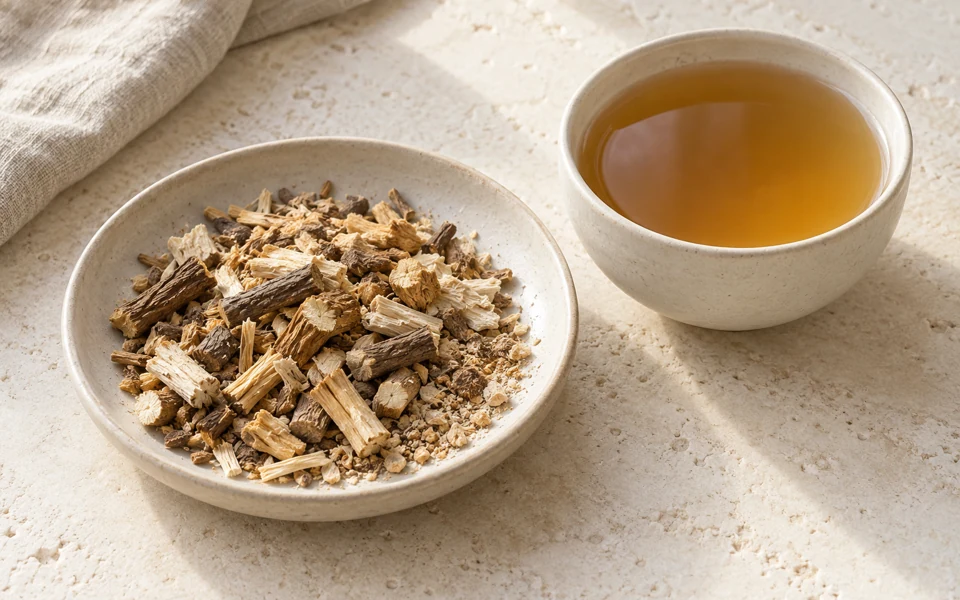
Throat Coat Blend
Herbal infusion
4.3/5 · FindMeTea score
About this tea
Throat Coat Blend is a caffeine-free herbal recipe built on three roots and barks — licorice root (Glycyrrhiza glabra), slippery elm bark (Ulmus rubra) and marshmallow root (Althaea officinalis) — chosen for their mucilage, the slippery polysaccharide gel these plants release in water. That gel is what you taste: a thick-bodied, faintly sweet, slightly earthy cup that singers and teachers keep for the cold months, by custom. The name describes the texture and the tradition, not an effect we promise: what Europe's medicines agency says about marshmallow root and licorice root, and what the US National Center for Complementary and Integrative Health says about licorice, is set out below, source by source. Slippery elm has no such monograph, and its card says only what is in the cup.
How to brew: 100°C, 9 min, 3 g per cup.
Caffeine
None
How to brew
Flavor notes
sweet, earthy, smooth
Often associated with
Comfort, Sense of well-being
Best time to enjoy
Evening, Any time
Tags
Where to find it in United States
 Where to find it in United States
Near Columbus
- North Market SpicesOther Herbal infusion
Columbus · North Market, downtown
Spearmint, Crushed Leaves
from US$ 3.85· 1 oz
In storeOnline59 Spruce Street, Columbus, OH 43215See the shop → - Posh Teatime Co.Other Herbal infusion
Columbus · Franklinton, West Broad Street
Farmer's Market Fruit Blend
from US$ 16.95· 4 oz
In storeOnline1273 W Broad Street, Columbus, OH 43222See the shop → - Sencha Tea BarOther Herbal infusion
Minneapolis · Uptown (also Madison, WI)
Rose Hips
from US$ 3.99· 2 oz
In storeOnline2601 Hennepin Ave S, Minneapolis, MN 55408See the shop → - Old City CoffeeOther Herbal infusion
Philadelphia · Old City · Reading Terminal Market
Hibiscus
US$ 11· 4 oz
In storeOnline221 Church St, Philadelphia, PA 19106See the shop → - The Random Tea RoomOther Herbal infusion
Philadelphia · Northern Liberties
Chamomile
US$ 18· 6 oz
In storeOnline713 N 4th St, Philadelphia, PA 19123See the shop →
Origin & Production
Throat Coat Blend has no single growing region because it is a formulated recipe, not a single-origin crop. Licorice root is cultivated across the Mediterranean basin, Turkey, Iran, Afghanistan, and China. Slippery elm bark comes from the inner bark of Ulmus rubra, a tree native to the woodlands of eastern and central North America, traditionally harvested by Indigenous peoples including the Cherokee and Iroquois for food and medicine. Marshmallow root is native to damp meadows, riverbanks, and brackish marshes across Europe and Western Asia, and is now commercially cultivated in Eastern Europe and the Balkans. Because each ingredient is sourced and processed separately before blending, the character of the final tea depends heavily on the ratio of mucilage-rich roots and bark to licorice sweetness, and on how finely each component is cut.
Production process
Recipe (per 3 g serving)
A classic balanced ratio: 40% slippery elm bark, 30% marshmallow root, 25% licorice root, 5% optional flavoring herb (cinnamon bark or orange peel). The two mucilage herbs lead; licorice rounds out the sweetness.
Bark and root harvesting
Slippery elm's inner bark is stripped from mature branches or trunks, traditionally in spring; marshmallow and licorice roots are dug after two or more years of growth, once the plant has built up sufficient mucilage and sweetness reserves.
Drying and grinding
Each ingredient is dried separately at low temperature to preserve the mucilage and avoid scorching, then cut or coarsely ground — slippery elm is often powdered, while marshmallow and licorice are typically cut root.
Weigh and combine
Each dried botanical is weighed according to the target ratio and combined in a clean, dry container, tossed gently so the powdery slippery elm distributes evenly among the coarser root pieces.
Store airtight, away from moisture
Because slippery elm powder readily absorbs ambient moisture, the finished blend is kept in a sealed glass or tin container in a cool, dry cupboard, away from steam and direct light, so it keeps its aroma and its texture for up to a year.
Brew
Our catalog brews it at 100 °C with 3 g per cup for 9 minutes, covered: roots and bark release their mucilage slowly, and the long steep is what gives this blend its characteristic thick, coating texture. A shorter steep makes a thinner, sweeter cup.
- Free
- Sundays
- 2 min
Drink better tea, one Sunday at a time.
A fact for the table·A shop worth the trip·A better cup·Ritual & kit of the week·Tea fun facts
History & Tradition
Each herb in Throat Coat Blend carries its own long, separate history of use, but the multi-herb 'throat coat' tisane as a defined commercial category is a 20th-century development that drew on much older single-herb traditions.
Greek notes on licorice
Theophrastus, the Greek 'father of botany', recorded that licorice root was chewed against thirst — among the earliest Western references to the root, long before anyone brewed it.
Indigenous use of slippery elm
Indigenous peoples of eastern North America, including the Cherokee and Iroquois, used the inner bark of slippery elm as a food, as a poultice and as a drink for the throat long before European contact — the tradition the name of this blend still points to.
Dioscorides on marshmallow
The Greek physician Dioscorides described Althaea officinalis in De Materia Medica, and the root has stayed in European herbals ever since; the marshmallow card below says what Europe's medicines agency makes of that long record today.
Eclectic and Western herbalism converge
19th-century North American Eclectic physicians combined slippery elm and marshmallow with European herbs like licorice in throat lozenges and syrups, an early precedent for blending roots and barks from different continents into a single recipe.
'Throat Coat' enters the herbal tea market
Commercial herbal tea brands in the United States popularized a packaged 'throat coat' tisane built on slippery elm, licorice and other roots and barks, turning what had been a home apothecary recipe into a recognizable, shelf-stable product category.
A cold-months staple
Throat coat-style blends are now sold worldwide by dozens of herbal tea companies, often with minor recipe variations, and remain the cup that singers, teachers and call-center workers keep for winter, by custom more than by any claim.
What's in the cup
The cup, as our catalog lists it
Throat Coat Blend is level 0 on our caffeine scale: there is no Camellia sinensis in the cup, only licorice root, slippery elm bark and marshmallow root. The catalog brews it at 100 °C for 9 minutes with 3 g per cup — longer than most herbals, because roots and bark give up their mucilage slowly — describes the flavor as sweet, earthy and mild, and places it in the evening or at any time of day. Covering the cup while it steeps keeps the heat in, which is what the long steep needs.
Marshmallow root, as Europe's medicines agency lists it
The European Medicines Agency's Committee on Herbal Medicinal Products lists marshmallow root, exclusively on the basis of long-standing use, as a demulcent for the symptomatic treatment of oral or pharyngeal irritation and associated dry cough, and for the symptomatic relief of mild gastrointestinal discomfort. The tea form it describes is not ours: 0.5 to 3 g of cut root in 150 ml of water as a cold macerate, several times a day, and the macerate used right after it is made. The monograph does not recommend the root under 3 for the throat indication or under 12 for the gastrointestinal one, says to see a doctor if throat symptoms last more than a week or if breathlessness, fever or purulent sputum appear, and, because the mucilage may delay the absorption of other medicines, advises not taking it half an hour to an hour before or after any other medicine. It records no known side effects and no reported interactions, and does not recommend use during pregnancy and breastfeeding for lack of data. It covers marshmallow root alone, not combinations like this blend.
Source: EMA/HMPC — European Union herbal monograph on Althaea officinalis L., radix (2016)
Licorice root, on the same register
The same committee's monograph on licorice root, revised in 2026, lists the root exclusively on the basis of long-standing use for the relief of digestive symptoms including burning sensation and dyspepsia, and as an expectorant in cough associated with cold. Its tea form is 1.5 to 2 g of cut root in 150 ml of boiling water, two to four times a day after meals, for no more than four weeks. It does not recommend licorice under 18, or for people with hypertension, kidney disease, liver or cardiovascular disorders or low potassium, who it says are more sensitive to its adverse effects; it warns against taking other licorice-containing products at the same time, because serious adverse events such as water retention, low potassium, high blood pressure and heart rhythm disorders may occur; it says licorice may counteract blood-pressure medication and should not be combined with diuretics, cardiac glycosides, corticosteroids or stimulant laxatives; and it does not recommend use during pregnancy, in women who could become pregnant and are not using contraception, or while breastfeeding. Overdoses reported after more than four weeks or high amounts included those same effects. A quarter of a 3 g serving is licorice: well under the monograph's single dose, but the four-week limit is the reason we treat this blend as a cold-months cup, not a daily one.
Licorice, and who should ask first
The US National Center for Complementary and Integrative Health considers licorice root generally safe as a food ingredient, and says there is not enough high-quality evidence to clearly support its use for any health condition; a licorice gargle or lozenge before surgery might lessen the sore throat that follows intubation, and whether licorice-only products have any effect on digestive symptoms is unclear. On safety it is blunter: glycyrrhizin can cause serious effects such as irregular heartbeat and cardiac arrest, especially in large amounts or over the long term; even small amounts have been linked to severe effects in people who eat a lot of salt or have hypertension or heart or kidney conditions; interactions with corticosteroids have been reported; large amounts in pregnancy (about 250 g a week) are unsafe and raise the risk of delivery before 38 weeks; and little is known about breastfeeding. Put that next to the agency cards above and the practical rule is short: if you are pregnant or breastfeeding, have high blood pressure or a heart, kidney or liver condition, or take any medication, ask a healthcare provider before making this blend a habit, or brew the licorice-free version below. This isn't medical advice — if you have a specific condition, check with a healthcare provider.
Source: NCCIH — Licorice Root (2025)
Slippery elm: what is in the cup, and nothing more
Slippery elm is the inner bark of Ulmus rubra, usually sold as a fine powder, and it is the ingredient that thickens this blend the most: its mucilage swells in water, which is why a 9-minute steep comes out almost silky and why the powder has to be stored away from steam. Unlike marshmallow and licorice, slippery elm has no European Union herbal monograph, and the US reference pages we accept as sources had none available when we checked, so we make no statement about what it does — only about how it tastes (mild, faintly nutty, bark-like) and how it behaves in hot water.
Natural sweetness from licorice
Glycyrrhizin, the intensely sweet compound in licorice root, rounds out the earthy, slightly mucilaginous flavor of slippery elm and marshmallow, so the blend needs little or no added sugar to taste pleasant. It is the same compound the two licorice cards above are about, which is why the sweeter, licorice-forward version below is the one to keep occasional.
This isn't medical advice. If you have a specific condition, or you are pregnant or taking medication, check with a healthcare provider.
- Free
- Sundays
- 2 min
Drink better tea, one Sunday at a time.
A fact for the table·A shop worth the trip·A better cup·Ritual & kit of the week·Brew better
Grades & Varieties
Balanced classic (slippery elm-led)
The default recipe: 40% slippery elm bark, 30% marshmallow root, 25% licorice root, 5% cinnamon or citrus peel. Thick-bodied, faintly sweet and gently spiced — the proportion most commercial blends are built on.
Best for
- ✓The thick, long-steeped cup
- ✓Singers and public speakers, by custom
- ✓Cold evenings
Licorice-forward (sweeter)
35% licorice root, 35% slippery elm bark, 30% marshmallow root. A sweeter, anise-adjacent cup that needs no added honey — popular with those who find the standard blend too earthy or bark-forward. More licorice per cup means the four-week limit and the cautions on the licorice cards apply to it first.
Best for
- ✓Sweet tooth without added sugar
- ✓Milder, rounder flavor
- ✓Pairing with citrus or ginger
Licorice-free (mucilage-only)
55% slippery elm bark, 45% marshmallow root, no licorice. The version for anyone the licorice cards above tell to skip licorice: none of those cautions apply to it, and it relies purely on the two mucilage herbs for a coating texture with a mild, neutral flavor. The marshmallow monograph's notes on pregnancy and on spacing it from other medicines still stand.
Best for
- ✓Anyone skipping licorice
- ✓Neutral, bark-forward flavor
- ✓The everyday version of the thick cup
Did you know?
The Greek 'father of botany,' Theophrastus, recorded in the 4th century BCE that licorice root was chewed to relieve thirst and soothe the throat — one of the earliest Western references to a plant used specifically for vocal comfort.
Foods with this tea
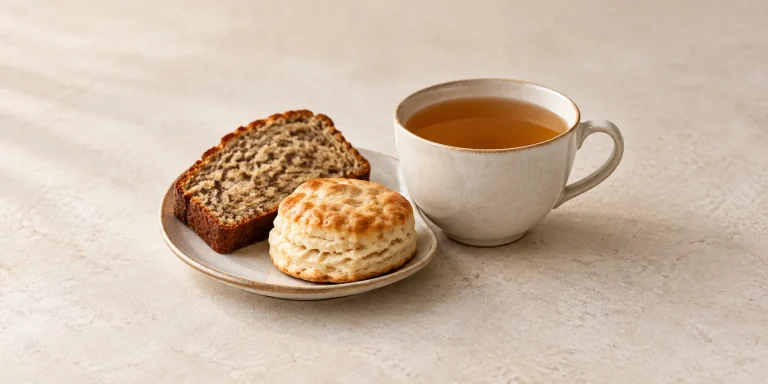
What to Eat with Throat Coat Blend
Thick, faintly sweet, and earthy from slippery elm and marshmallow root, Throat Coat Blend pairs best with soft, warm, gentle foods rather than anything sharp or spicy.
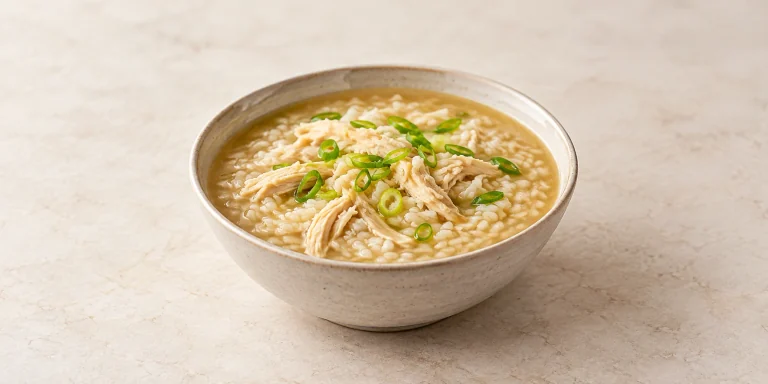
Throat Coat Tea-Poached Chicken and Rice Soup
A gentle, soft-textured chicken and rice soup poached with Throat Coat Blend, built for a cold evening when you want something warm, soft and undemanding.
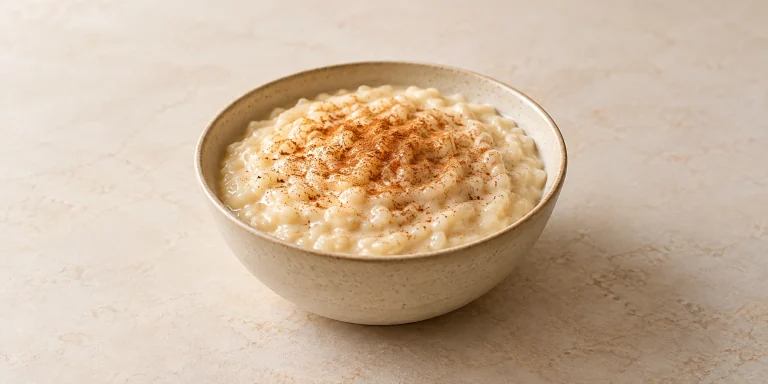
Throat Coat Honey-Steeped Rice Pudding
A soft, slow-cooked rice pudding steeped with Throat Coat Blend, sweetened with honey and finished with cinnamon and vanilla — served warm in winter or chilled in summer.
- Free
- Sundays
- 2 min
Drink better tea, one Sunday at a time.
A fact for the table·A shop worth the trip·A better cup·Ritual & kit of the week·Tea recipes & drinks
Drinks with this tea
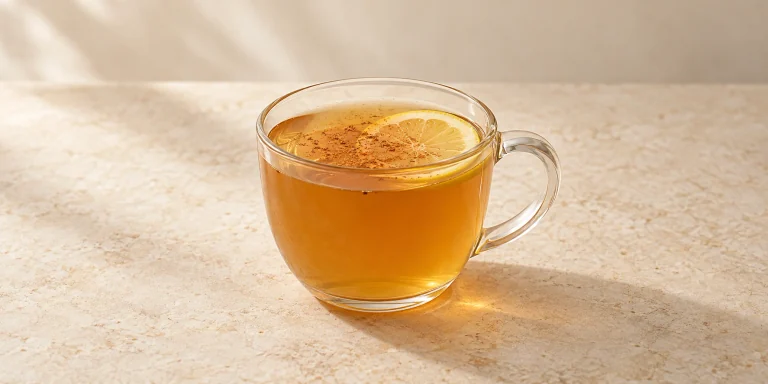
Throat Coat Blend with Honey and Fresh Lemon
A strong Throat Coat Blend infusion steeped 9 minutes, as our catalog lists it, finished with honey at 60°C and fresh lemon: thick-bodied, sweet and caffeine-free.
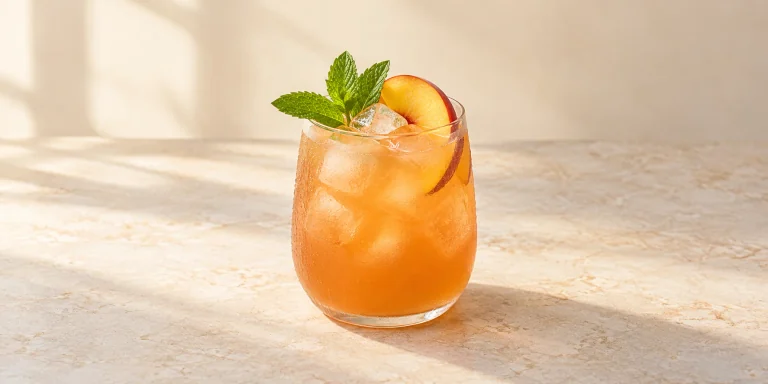
Iced Throat Coat Peach Cooler
A chilled, lightly thickened cooler that pairs cold-brewed Throat Coat Blend with peach and a touch of honey — a gentler, less sugary alternative to typical iced herbal teas.
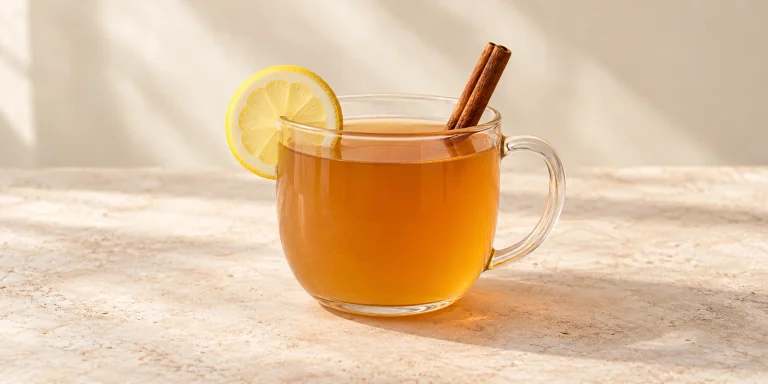
Throat Coat 'Hot Toddy' Mocktail
A non-alcoholic riff on the classic hot toddy, built on a strong Throat Coat Blend infusion with honey, lemon, and a whisper of warming spice — all the comfort, none of the alcohol.