
Qué comer con té negro de Ruanda
Brillante, cobrizo y suavemente brioso, el té negro de Ruanda marida hermosamente con comida reconfortante de África Oriental, plátano a la parrilla y pastelería sencilla con mantequilla.
El té negro de Ruanda tiene una vivacidad más suave y redondeada que su famoso vecino keniano — de cuerpo completo y cobrizo, pero con un leve dulzor a miel que proviene de los jardines frescos de altura cerca del lago Kivu. Ese equilibrio entre fuerza y suavidad lo convierte en un té versátil para acompañar comidas, igual de cómodo con platos salados contundentes que con bocados más livianos.
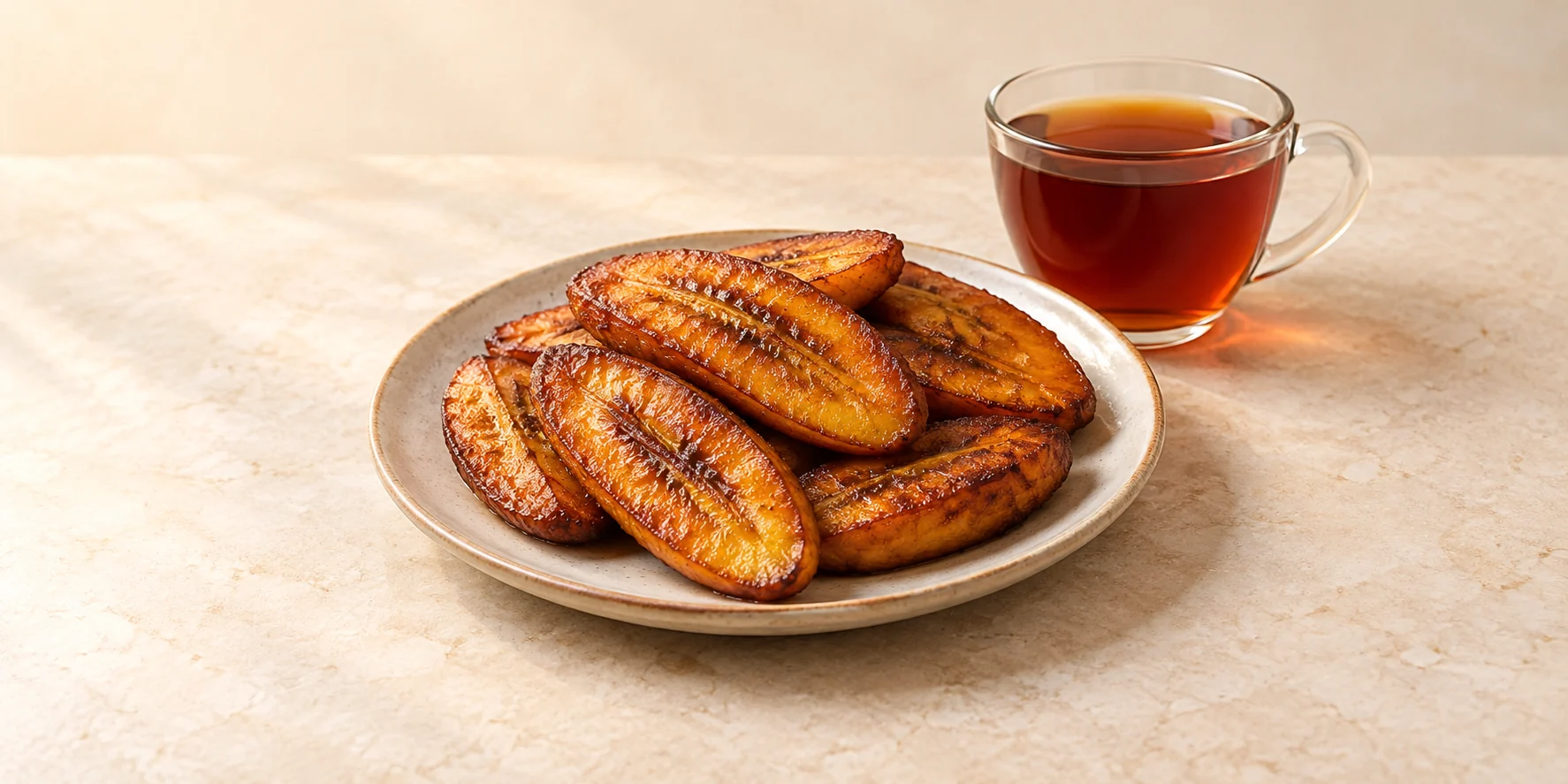
Un maridaje clásico de África Oriental es el plátano (ibitoki) asado o frito con una taza caliente de té ruandés. El dulzor natural del plátano refleja el matiz de miel del té, mientras que los taninos briosos del té cortan la riqueza del aceite, refrescando el paladar entre bocado y bocado.
Los guisos a base de frijoles, hojas de mandioca o salsa de maní — comunes en toda la región de los Grandes Lagos — también se llevan bien con este té. Su cuerpo completo se sostiene frente a sabores profundamente sabrosos y de cocción lenta sin quedar opacado, y la astringencia gentil ayuda a limpiar el paladar después de una comida rica y con almidón.
Para el desayuno, prueba el té ruandés junto a pan con mantequilla, mandazi (masa frita de África Oriental) o un huevo pasado por agua. La luminosidad del té despierta el paladar como lo hace el café, pero su cuerpo más redondeado hace que no choque con la riqueza de la mantequilla o el huevo como podría hacerlo un té negro más tánico y agresivo.
Donde el té ruandés brilla menos es con postres muy delicados, florales o sutilmente dulces — su cuerpo y taninos briosos son amigables, pero un poco demasiado presentes, y pueden opacar cualquier cosa demasiado sutil. Reserva las pastelerías más livianas para un té más suave, y deja que el té negro de Ruanda haga lo que mejor sabe hacer: acompañar con confianza comida contundente y reconfortante.
¿Quieres saber más sobre Negro de Ruanda? Visita su ficha completa.
Volver a Negro de RuandaTambién te puede gustar
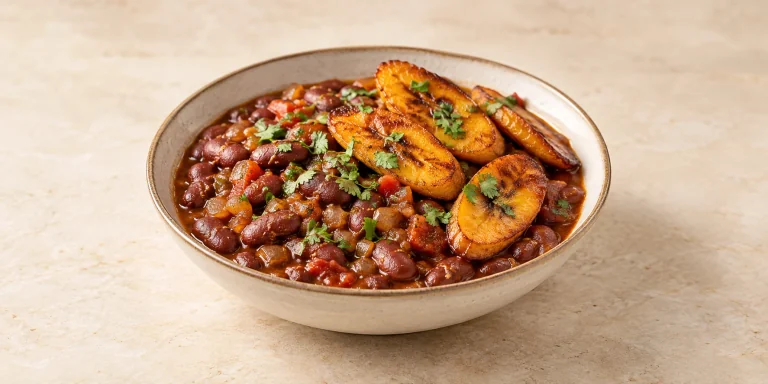
Frijoles braseados en té ruandés con plátano
Frijoles cocidos a fuego lento en té negro ruandés fuerte con tomate, cebolla y especias, servidos sobre plátano dulce frito — un plato único contundente inspirado en los Grandes Lagos.
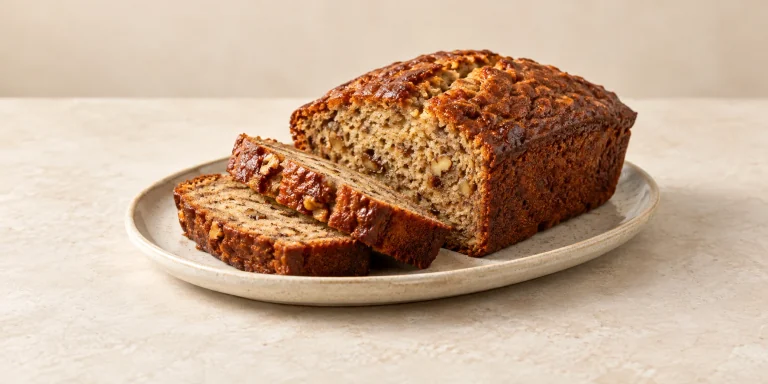
Pan de banana con té negro de Ruanda y miel
Un pan de banana húmedo infusionado con té negro de Ruanda y endulzado con miel — la luminosidad suave del té evita que este horneado de inspiración africana oriental resulte pesado.