
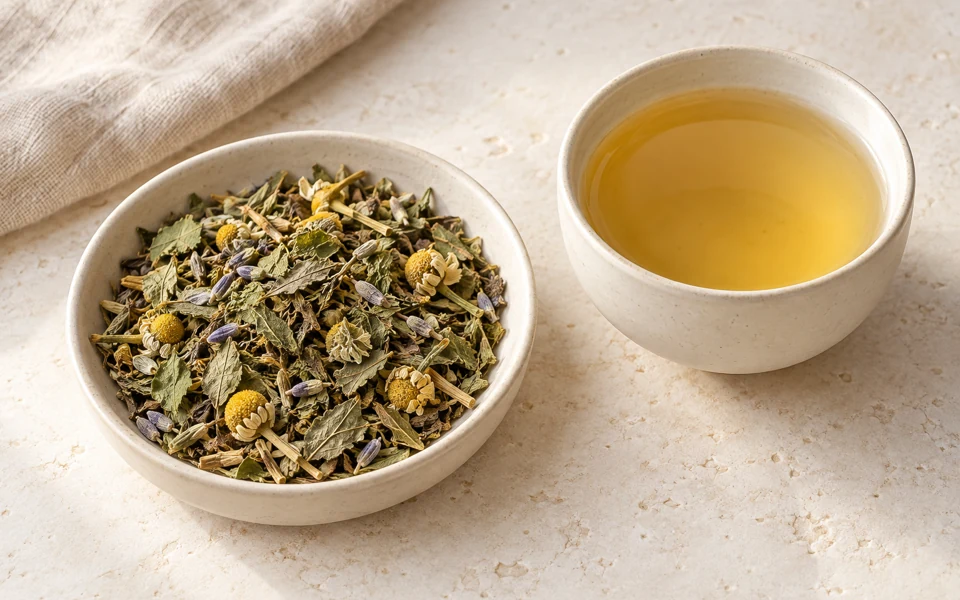
Calm Blend
Herbal infusion
4.5/5 · FindMeTea score
About this tea
Calm Blend is a caffeine-free herbal infusion of four garden herbs: lemon balm leaf, chamomile flower, lavender bud and passionflower. On our catalog it sits at level 0 of the caffeine scale, brews at 95 °C for 5 minutes with 2 g per cup, and tastes floral, citrusy, soft and lightly sweet — lemon balm brings a lemony freshness, chamomile an apple-like softness, lavender its unmistakable perfume, and passionflower a quiet, grassy base. The catalog places it in the afternoon and mid-afternoon, or at any hour, since there is nothing in the cup to keep count of. Three of its four herbs also have an entry in the European Medicines Agency's herbal monographs; what those say, and what they do not, is on the cards below.
How to brew: 95°C, 5 min, 2 g per cup.
Caffeine
None
How to brew
Flavor notes
floral, citrusy, smooth, lightly sweet
Often associated with
Calm, Light relaxation
Best time to enjoy
Afternoon, Mid-afternoon, Any time
Tags
Where to find it in United States
 Where to find it in United States
Near Columbus
- North Market SpicesOther Herbal infusion
Columbus · North Market, downtown
Spearmint, Crushed Leaves
from US$ 3.85· 1 oz
In storeOnline59 Spruce Street, Columbus, OH 43215See the shop → - Posh Teatime Co.Other Herbal infusion
Columbus · Franklinton, West Broad Street
Farmer's Market Fruit Blend
from US$ 16.95· 4 oz
In storeOnline1273 W Broad Street, Columbus, OH 43222See the shop → - Old City CoffeeThis tea
Philadelphia · Old City · Reading Terminal Market
Herbal Blend
US$ 11· 3 oz
In storeOnline221 Church St, Philadelphia, PA 19106See the shop → - Sencha Tea BarOther Herbal infusion
Minneapolis · Uptown (also Madison, WI)
Rose Hips
from US$ 3.99· 2 oz
In storeOnline2601 Hennepin Ave S, Minneapolis, MN 55408See the shop → - The Random Tea RoomOther Herbal infusion
Philadelphia · Northern Liberties
Chamomile
US$ 18· 6 oz
In storeOnline713 N 4th St, Philadelphia, PA 19123See the shop →
Origin & Production
Calm Blend assembles herbs from two sides of the Atlantic. Lemon balm, chamomile and lavender are old garden plants of Europe and the Mediterranean, grown for centuries for the kitchen, the perfumer and the apothecary shelf. Passionflower is a vine native to the Americas; its dried aerial parts entered European herbal practice after the plant arrived as a garden ornamental. Rather than being grown together, the dried leaves and flowers are blended in proportions that balance lemon balm's brightness, chamomile's softness, lavender's perfume and passionflower's grassy depth — and that keep lavender in check, because a little of it goes a long way in the cup.
Production process
Sourcing the herbs
Lemon balm leaf, chamomile flowers, lavender buds, and passionflower are sourced as dried herb, chosen for vivid color and strong fragrance.
Gentle drying
The herbs are dried slowly and at low temperature to protect their delicate volatile oils, which carry the lemon and lavender aromas of the blend.
Measured blending
Lavender is used sparingly — a little goes a long way — while lemon balm and chamomile form the gentle base and passionflower adds quiet depth, keeping the cup light and daytime-friendly.
Resting
The blend rests so the floral and herbal aromas marry into a balanced, harmonious fragrance before it is packaged.
Packaging
The finished blend is sealed in light-protected packaging as loose herb or tea bags, ready to steep as a caffeine-free daytime infusion.
- Free
- Sundays
- 2 min
Drink better tea, one Sunday at a time.
A fact for the table·A shop worth the trip·A better cup·Ritual & kit of the week·Tea fun facts
History & Tradition
Calm Blend is a modern formulation, but each of its herbs has a documented past — in Greek botany, in a Paris friary, in Roman baths and in the pharmacopoeias of two continents — and all four now have an entry on the European herbal record.
Lemon balm, the bee leaf
The Greek botanist Theophrastus recorded lemon balm as 'melissophyllon', bee leaf, for the bees it attracts; the genus name Melissa is the Greek word for honeybee.
Lavender in the Roman baths
The Romans scented their public baths with lavender; the name comes from the Latin 'lavare', to wash.
Passionflower gets its name
Spanish missionaries in the Americas read the flower's intricate structure as a symbol of the Passion of Christ, and the name stuck; the vine reached European gardens as an ornamental in the 1700s before entering herbal practice.
Carmelite Water
The Carmelite friars of the rue de Vaugirard in Paris began producing 'Eau de Mélisse des Carmes', a lemon balm spirit built on more than a dozen herbs and spices; it is still made today.
Four herbs, four European monographs
Between 2012 and 2015 the European Medicines Agency's herbal committee adopted monographs on lavender flower (March 2012), lemon balm leaf (May 2013), passionflower herb (March 2014) and chamomile flower (July 2015), each as a traditional herbal medicinal product whose status rests on long-standing use rather than on clinical trials.
What's in the cup
The cup, as our catalog lists it
Calm Blend is level 0 on our caffeine scale: there is no Camellia sinensis in the cup, only lemon balm leaf, chamomile flower, lavender bud and passionflower. The catalog brews it at 95 °C for 5 minutes with 2 g per cup, describes the flavor as floral, citrusy, soft and lightly sweet, and places it in the afternoon, mid-afternoon or at any hour. Lavender is the loudest of the four, so a lid on the cup and a timer at five minutes keep it fragrant rather than soapy.
Lemon balm leaf, as Europe's medicines agency lists it
The European Medicines Agency's Committee on Herbal Medicinal Products lists lemon balm leaf as a traditional herbal medicinal product for the relief of mild symptoms of mental stress and to aid sleep, and for the symptomatic treatment of mild gastrointestinal complaints including bloating and flatulence — a status it grants exclusively on the basis of long-standing use, with a doctor consulted if the symptoms persist longer than two weeks. The monograph gives the herbal tea as 1.5–4.5 g of leaf in 150 ml of boiling water, one to three times daily; does not recommend it under 12 or during pregnancy and breastfeeding; records no known undesirable effects and no data on interactions; and notes it may impair the ability to drive. That is a description of a licensed product, not of this blend: a cup of Calm Blend is 2 g of four herbs together, not a measured dose of one.
Source: EMA/HMPC — Community herbal monograph on Melissa officinalis L., folium (2013)
Lavender flower, on the same register
The same committee lists lavender flower as a traditional herbal medicinal product for the relief of mild symptoms of mental stress and exhaustion and to aid sleep, again exclusively on the basis of long-standing use. Its monograph sets the herbal tea at 1–2 g of flowers in 150 ml of boiling water, three times daily; does not recommend it under 12 or during pregnancy and breastfeeding; records no known undesirable effects and no reported interactions; and notes it may impair the ability to drive. In Calm Blend, lavender is used sparingly — it is the perfume, not the base.
Source: EMA/HMPC — Community herbal monograph on Lavandula angustifolia Miller, flos (2012)
Passionflower, the third entry
Passionflower herb has the same traditional indication on the European record — relief of mild symptoms of mental stress and to aid sleep, exclusively on the basis of long-standing use, with a doctor consulted if the symptoms persist longer than two weeks. The monograph gives the herbal tea as 1–2 g of the dried aerial parts in 150 ml of boiling water, one to four times daily; does not recommend it under 12 or during pregnancy and breastfeeding; records no known undesirable effects and no reported interactions; and notes it may impair the ability to drive. No agency has evaluated the four herbs together: each monograph describes one plant on its own, and a cup of this blend is not any of those products.
Source: EMA/HMPC — Community herbal monograph on Passiflora incarnata L., herba (2014)
Chamomile, listed for other things
Chamomile is the one herb in the blend whose European monograph says nothing about stress or sleep: the committee lists chamomile flower, exclusively on long-standing use, for minor gastrointestinal complaints such as bloating and minor spasms, for symptoms of the common cold, and for mouth, throat and skin preparations. Its contraindication is hypersensitivity to chamomile and to other plants of the daisy family (Asteraceae), and the monograph records hypersensitivity reactions, including severe allergic reactions, after mucosal contact with liquid chamomile preparations, with the frequency not known. In this cup chamomile is here for its apple-like softness; if other plants of the daisy family are a problem for you, this is the ingredient to ask about. This isn't medical advice — if you have a specific condition, check with a healthcare provider.
Source: EMA/HMPC — European Union herbal monograph on Matricaria recutita L., flos (2015)
This isn't medical advice. If you have a specific condition, or you are pregnant or taking medication, check with a healthcare provider.
- Free
- Sundays
- 2 min
Drink better tea, one Sunday at a time.
A fact for the table·A shop worth the trip·A better cup·Ritual & kit of the week·Brew better
Grades & Varieties
Classic calm blend
The balanced daytime formula of lemon balm, chamomile, lavender, and passionflower — bright, floral and lightly sweet, with lavender kept to a supporting role. The most versatile cup of the three for any hour of the day.
Best for
- ✓An afternoon pause
- ✓Caffeine-free evenings
- ✓A mindful pause
Lavender-forward blend
A more aromatic version with extra lavender leading the cup, emphasizing the floral, perfumed side of the blend. Lovely for those who adore lavender's signature scent.
Best for
- ✓Lavender lovers
- ✓Perfumed cups
- ✓A spa-like ritual
Lemon balm-forward blend
A brighter, fresher version with more lemon balm, leaning into citrusy notes. Light and fresh, the one to reach for over ice.
Best for
- ✓Iced and cold brew
- ✓Lemon lovers
- ✓Brighter palates
Did you know?
Unlike a heavier sleep blend, Calm Blend is a daytime calm — lemon balm and lavender are traditionally used to ease tension while keeping you alert rather than drowsy.
Foods with this tea
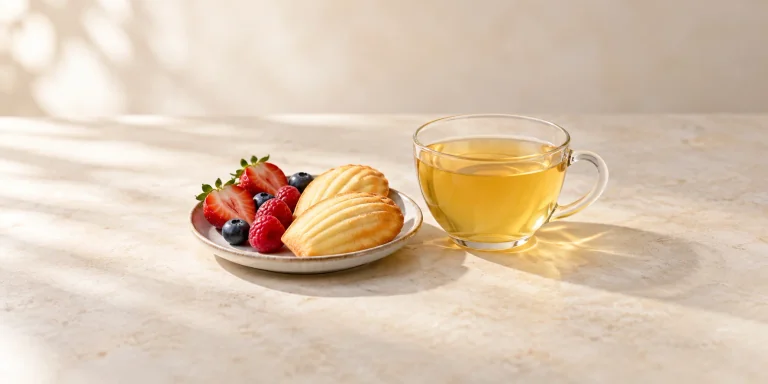
What to Eat with Calm Blend
Calm Blend's bright lemon balm, soft chamomile, and floral lavender pair beautifully with delicate baked goods, citrus, and light, fresh bites.
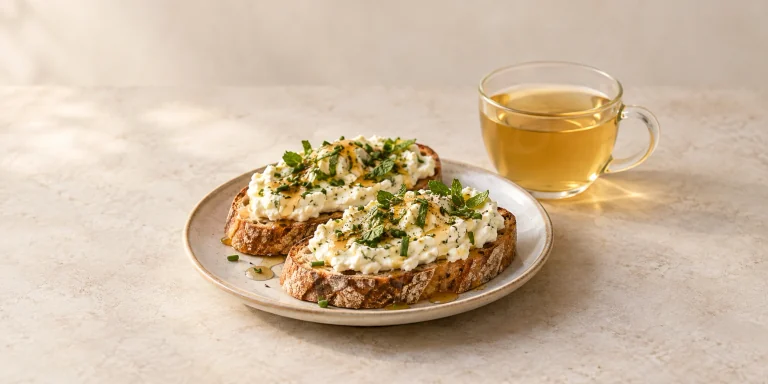
Calm Blend Herbed Goat Cheese Tartines
Whipped goat cheese infused with calm blend herbs, spread on toasted bread with honey and fresh herbs — a light, floral, savory bite.
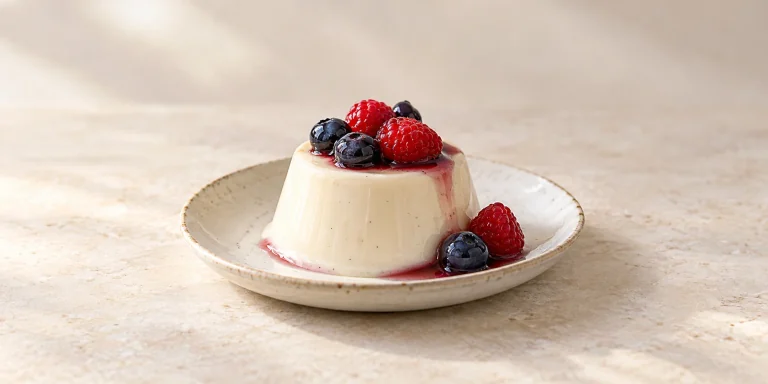
Calm Blend Lavender Lemon Panna Cotta
A silky panna cotta infused with the calm blend's lavender and lemon balm — delicate, floral and creamy, served with fresh berries or lemon curd.
- Free
- Sundays
- 2 min
Drink better tea, one Sunday at a time.
A fact for the table·A shop worth the trip·A better cup·Ritual & kit of the week·Tea recipes & drinks
Drinks with this tea
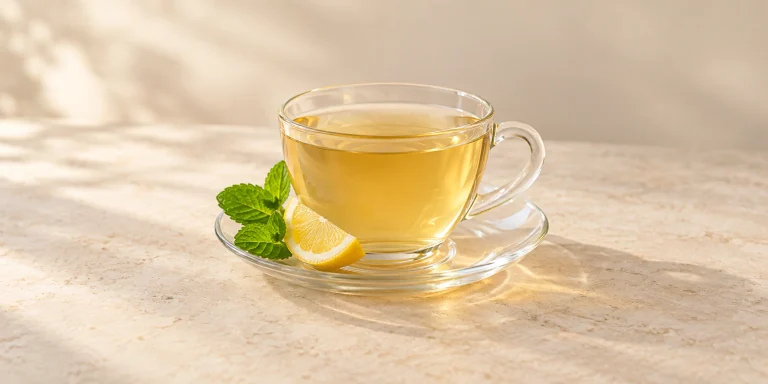
Calm Blend Infusion with Honey and Lemon
Lemon balm, chamomile, lavender, and passionflower steeped five minutes under a lid, with honey and a squeeze of lemon: floral, herbal, and caffeine-free, for an afternoon pause.
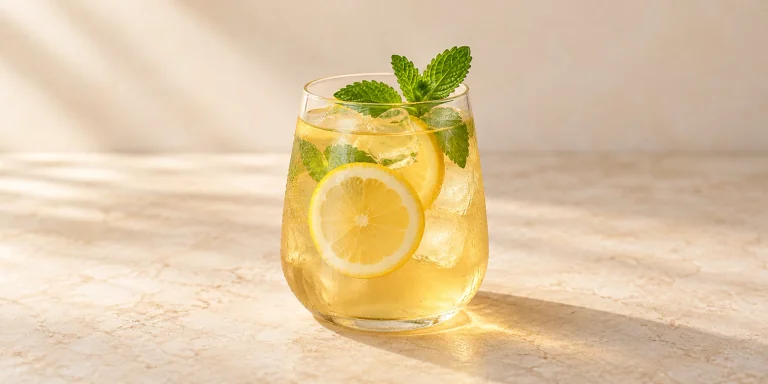
Iced Calm Blend Lemon Balm Cooler
Cold-brewed calm blend over ice with lemon and fresh herbs — a light, floral, caffeine-free cooler for a calm and refreshing afternoon pause.
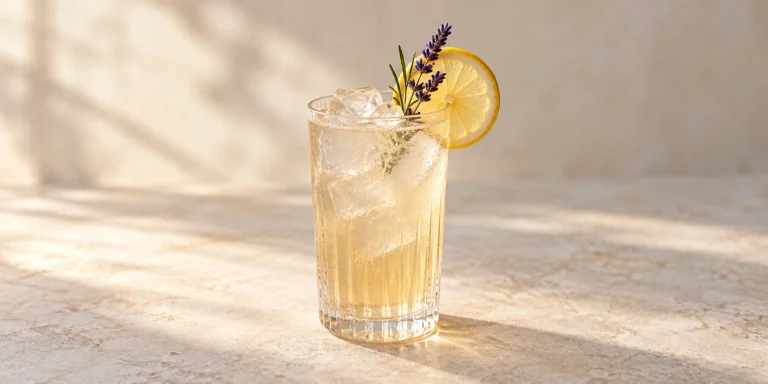
Calm Blend Lavender Lemon Mocktail
Cold calm blend infusion with lavender-honey syrup, fresh lemon and soda over ice: floral, tart and alcohol-free.