FindMeTeaFind a tea

What tea is best for focus?

Gyokuro, sencha and Earl Grey — steady-concentration cups for study and deep work, with exact brewing for each.

Quick answer

Japanese greens are the study classics: shade-grown gyokuro pairs caffeine with L-theanine, an amino acid associated with calm alertness, and sencha is its lighter everyday cousin. If you'd rather drink black tea, Earl Grey's moderate caffeine and bergamot aroma make it a favorite desk companion.

At a glance

  1. 1Gyokuroshade-grown, deep and unusually rich in L-theanine
  2. 2Senchathe lighter everyday study green
  3. 3Earl Greybergamot classic — the black-tea desk companion
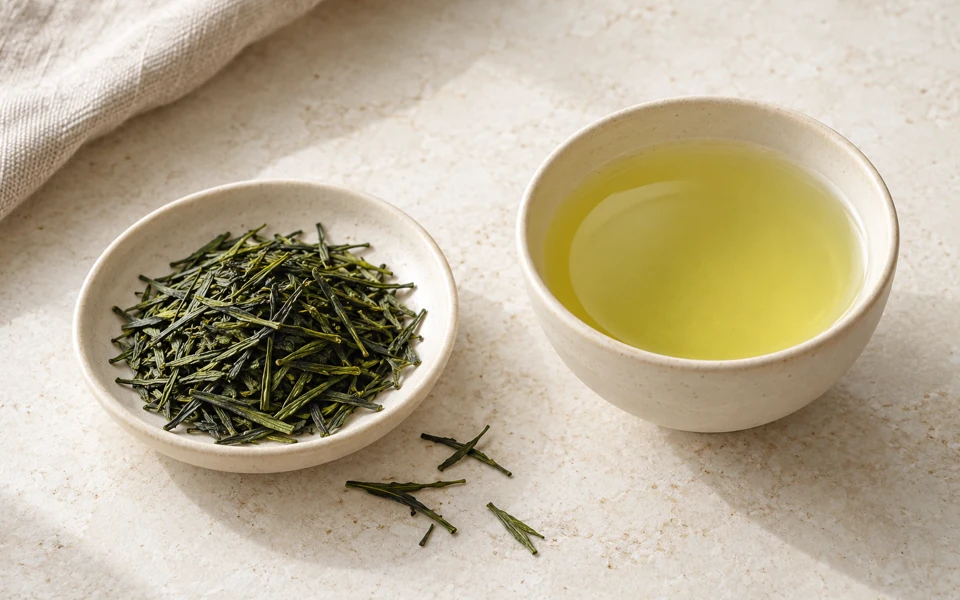
Gyokuro

1. Gyokuro (Green tea)

Calm alertnessGentle focus

Why now

  • Shading the plant before harvest concentrates the character that makes Japanese greens the deep-work choice.
  • Caffeine plus L-theanine — the combination many people experience as focus without jitters.
  • Brewed cool and slow, it rewards the exact kind of patience deep work needs.

How to brew

60°C
2 min
3 g per cup
High

If you don't have it

Sencha brewed a touch cooler than usual is the everyday stand-in.

Tea fact

Gyokuro means 'jade dew'; the bushes are shaded for about 20 days before harvest, which dramatically boosts L-theanine and gives the leaves their deep emerald color and famous umami sweetness.

Share

If you're looking for "a tea for focus", try Gyokuro.

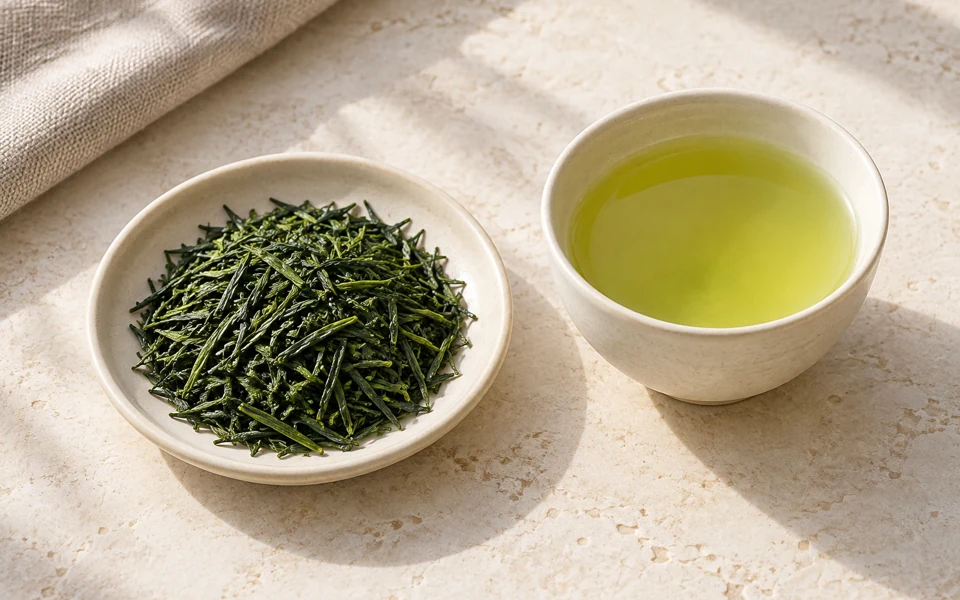
Sencha

2. Sencha (Green tea)

Calm alertnessGentle focus

Why now

  • Japan's daily green: fresh, grassy and moderate in caffeine — easy to keep refilling through a session.
  • Same calm-alertness profile as gyokuro, in a simpler, cheaper cup.
  • Short steeps keep it sweet; oversteeping turns it bitter fast.

How to brew

75°C
1.5 min
2 g per cup
Medium

If you don't have it

Any everyday green tea works; just keep the water below boiling.

Tea fact

Sencha was invented in 1738 by Nagatani Soen, who spent 15 years perfecting a steaming method so ordinary people could enjoy quality green tea; it now represents about half of all tea produced in Japan.

Share

If you're looking for "a tea for focus", try Sencha.

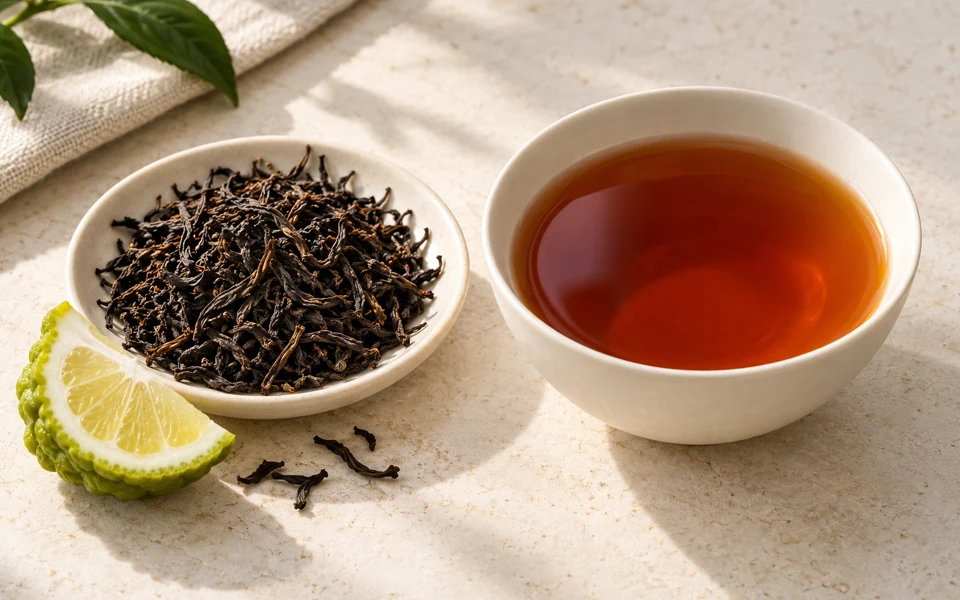
Earl Grey

3. Earl Grey (Black tea)

Gentle wake-upFocus

Why now

  • Moderate caffeine and that unmistakable bergamot aroma make it the classic working cup.
  • The citrus lift keeps long sessions from feeling flat.
  • A good bridge if green tea's grassy profile isn't your thing.

How to brew

95°C
3.5 min
2.5 g per cup
Medium

If you don't have it

Ceylon with a strip of lemon or orange peel improvises the same idea.

Tea fact

Earl Grey is black tea flavored with oil from the bergamot orange, a citrus fruit; the name "bergamot" comes from Turkish "beg-armudi" meaning "the prince's pear."

Share

If you're looking for "a tea for focus", try Earl Grey.

Frequently asked questions

Which tea is best for studying?

Green teas like gyokuro and sencha are the usual picks: moderate caffeine plus L-theanine, which many people experience as focus without jitters.

Green or black tea for concentration?

Green if you want the calm-alertness profile; black (like Earl Grey) if you want a firmer lift and a more familiar taste. Both beat sugary energy drinks for steady work.

When should I stop drinking them?

All three carry caffeine. If you're sensitive, make mid-afternoon your last cup so the night stays quiet.

Explore another need

Not sure where to start? Get a personalized recommendation.

Get my recommendations